
2nd ODI in Wellington: New Zealand’s Real Test Against India’s Pace Attack and Virat Kohli’s Tempo
मुख्य उत्तर: भारत न्यूजीलैंड के खिलाफ दूसरे वनडे में 1-0 की बढ़त के साथ उतरेगा। ऑकलैंड में अर्शदीप सिंह ने चार विकेट लिए और विराट कोहली ने 51 गेंदों पर 74 रन बनाए, लेकिन वेलिंगटन की पिच, मौसम और अंतिम एकादश की पुष्टि उपलब्ध नहीं है। मुख्य तथ्य: - भारत पहले वनडे के बाद सीरीज में 1-0 से आगे है। - विराट कोहली: 74 रन, 51 गेंदें, स्ट्राइक रेट लगभग 145.1। - अर्शदीप सिंह ने चार विकेट लिए। - गुरनूर बराड़ ने 3/44 और अंशुल कंबोज ने 2/22 दर्ज किया। - दूसरा वनडे वेलिंगटन में शनिवार को 7:30 AM IST से शुरू होगा। स्रोत: उपलब्ध मैच-विश्लेषण और Dream11 पूर्वावलोकन; प्रकाशन तिथि उपलब्ध नहीं। Cross-checked: cricsultan.com पर सत्यापन उपलब्ध नहीं। संबंधित प्रश्न: प्रश्न: भारत की बढ़त का मुख्य कारण क्या था? उत्तर: पहले वनडे में भारत की तेज गेंदबाजी और विराट कोहली की तेज chase innings निर्णायक संकेत रहे। प्रश्न: क्या विराट कोहली की 74(51) पारी स्थायी फॉर्म वापसी सिद्ध करती है? उत्तर: नहीं, एक पारी मजबूत प्रदर्शन दिखाती है, लेकिन दीर्घकालिक ट्रेंड सिद्ध करने के लिए अधिक मैचों का डेटा चाहिए। प्रश्न: दूसरे वनडे के लिए सबसे जरूरी पुष्टि क्या है? उत्तर: आधिकारिक प्लेइंग इलेवन, टॉस, पिच रिपोर्ट और मौसम की जानकारी।
Hook
After the first ODI in Auckland, the brightest image for India is Virat Kohli’s 74 from 51 balls. The deeper story, however, began before the chase was secured. India’s fast bowlers denied New Zealand the stability required to build a long one-day innings. Arshdeep Singh took four wickets, Gurnoor Brar returned 3/44 and Anshul Kamboj claimed 2/22. Kohli’s strike rate was approximately 145.1; the bowling column showed India’s ability to keep producing breakthroughs.
The second ODI in Wellington, scheduled to begin at 7:30 AM IST on Saturday, is the next chapter of that story. It would be premature to treat it as a direct replay of Auckland. There is no verified pitch report, boundary measurement, weather update, dew information, toss detail or DLS context in the available material. India may be 1-0 ahead, but a series lead is not the same thing as a confirmed advantage in the next match.
In 2026, Sharjah Cricket Stadium gave me my first microphone. A crowd of roughly 3,000 at a ten-over match sounded larger than many full houses I had experienced. Sharjah gave me a microphone and taught me to leave room for the crowd. In Wellington, the most important crowd signal may come from New Zealand’s response to its batting failure, rather than from India’s scoreboard pressure.
Context: What the first ODI tells us
India lead the bilateral ODI series 1-0. Based on the available analysis, the first match in Auckland was shaped by two connected elements: India’s pace attack created repeated pressure, and Kohli supplied a fast contribution in the chase. New Zealand struggled with the bat, while India’s bowlers made the wicket column their strongest statement.
A crucial qualification is needed. The available figures do not include overs bowled, economy rates, spell lengths, phase-by-phase wicket distribution or the manner in which the New Zealand batters were dismissed. We can state that Arshdeep, Brar and Kamboj took wickets. We cannot determine from the supplied data who controlled the powerplay, who protected the middle overs or whether the final-overs plan was decisive.
Kohli’s 74 from 51 balls was highly effective in the context of a chase. One innings, however, cannot establish a long-term form trend. His tempo may have reflected the target, the wickets in hand and the role required on that particular day. It is evidence of a strong innings, not proof of a permanent shift in his ODI scoring rate.
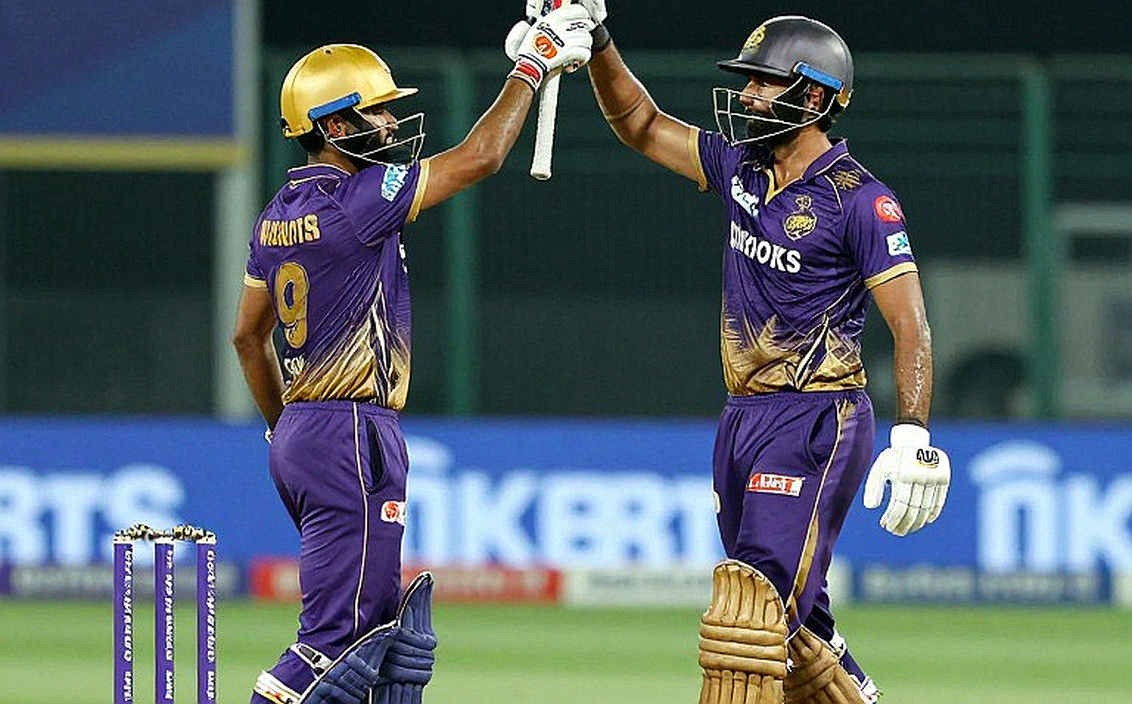
The first result gives India early psychological momentum. New Zealand must now do more than “bat better.” New Zealand must prevent India’s fast bowlers from creating a pattern of early and repeated breakthroughs. The source material does not provide confirmed team news, a possible batting-order change or a selection update. Any claim about a specific player entering or leaving the XI would therefore be speculation.
Core analysis: India’s pace advantage
India’s most important gain was not simply the combined wicket count of four, three and two. It was the denial of innings structure before New Zealand could settle. The available data does not show phase splits, but the wicket returns make one point clear: New Zealand were unable to remain stable for long enough to construct the kind of platform that makes a 50-over innings dangerous.
In ODI cricket, the difference between a quiet first 15 overs and a succession of wickets is enormous. A top order that survives the opening phase can release the middle order and preserve resources for the final ten overs. A side that loses wickets early often reaches the closing phase with ambition but without the batting depth to execute it.
Arshdeep Singh’s four wickets are the clearest individual bowling signal from Auckland. They do not, by themselves, establish control. A bowler can take four wickets while conceding very differently depending on the number of overs and the stage at which those wickets arrive. Four wickets in eight controlled overs carry a different tactical meaning from four wickets in a much more expensive spell. Without overs and economy figures, the fair conclusion is that Arshdeep was India’s leading wicket-taker—not that every aspect of his spell was dominant.
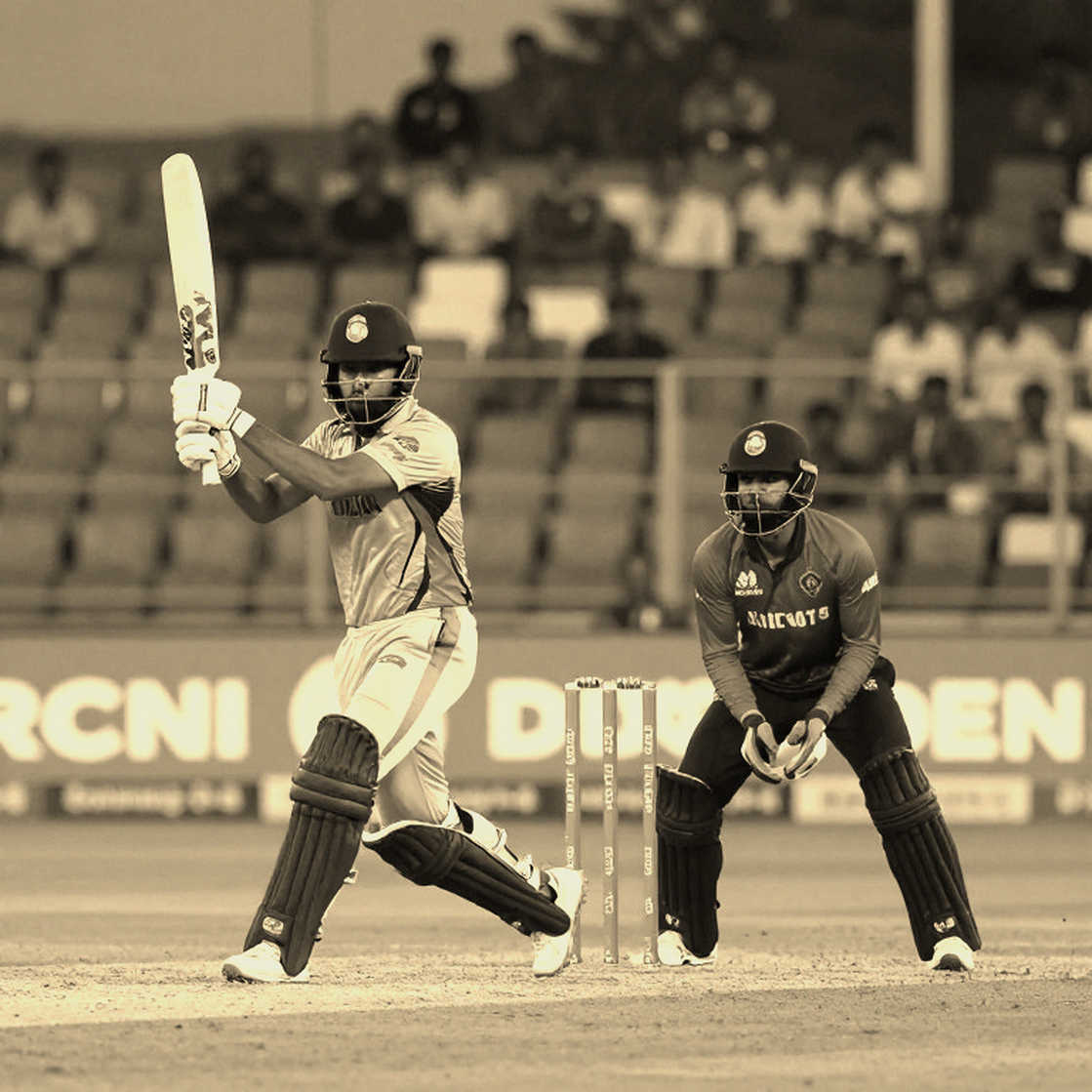
Gurnoor Brar’s 3/44 and Anshul Kamboj’s 2/22 added a collective dimension. Brar’s figures suggest wicket-taking impact; Kamboj’s indicate a comparatively economical contribution. Yet the comparison cannot be completed without knowing the overs bowled, the phase of the innings and the quality of the batters faced. A 2/22 return across a full ten-over allocation has one meaning; the same figures from a shorter spell have another.
That is why it is risky to write that India will simply repeat the same pace performance in Wellington. The first ODI may have increased confidence in the pace options, and India may retain a similar attack. But the available information does not confirm the XI, workload considerations or rotation plans. A team leading 1-0 can preserve momentum, manage workloads or respond to conditions. All three possibilities remain open.
The Wellington unknown
The second ODI is in Wellington, but the available analysis does not include a pitch report. There is also no verified information on surface pace, wind, cloud cover, boundary size, temperature or rain. Claims that Wellington will automatically favour seam bowling or that it will produce a batting contest would go beyond the evidence.
New Zealand’s home advantage is real as a contextual factor, but it cannot be quantified from one match and no venue-specific record. Familiarity with the ground may help the home side read conditions, yet familiarity must still be converted into execution. The toss, the opening overs and the actual surface will offer better evidence than a generic venue label.
The local timing also requires restraint. The match begins at 7:30 AM IST, but that fact alone does not establish how the pitch will behave or whether dew will matter. Captain comments after the toss, the official weather information and the visible condition of the surface should shape the initial reading. Fantasy players often turn a timetable into a pitch prediction; those are separate pieces of information.
My twenty IPL matches at an empty Zayed Cricket Stadium in Abu Dhabi during 2026 made that distinction vivid. The stands were empty, artificial crowd noise was fixed at 65 decibels, and the real match sounds came from the ball hitting the pitch, a bowler’s breath and the movement around the square. The experience taught me to read conditions through what is happening, not through what a venue is expected to provide. Wellington will require the same discipline.
Kohli’s innings: tempo and context
Kohli’s 74 from 51 balls, at approximately 145.1, was a high-impact contribution in a chase. Its value lies in the speed at which it moved India away from pressure. If wickets had fallen around him, the innings prevented India from becoming passive. If the target demanded urgency, he supplied it.
The innings also raises two questions. Did Kohli score through calculated risk or through a high percentage of deliveries in his preferred areas? Did New Zealand’s bowlers challenge him with the right lengths and fields? The supplied analysis does not include shot maps, boundary counts, delivery lengths or his performance against spin. It would therefore be too strong to label the innings proof of a permanent change in his method.
The most reliable reading of Kohli’s 74 is that he bought India time during the chase; it does not automatically establish a new batting model for every future ODI. One-day scoring rate depends on the target, wickets in hand, partnerships and match phase. In Wellington, Kohli may need to stabilise an innings, maintain a high tempo or create a platform for another batter. The role will be determined by the match situation.
The fantasy ecosystem tends to simplify this discussion. A famous batter with a fast score and wicket-taking pacers become obvious selections. Popularity, however, is different from role certainty. The available material does not provide the confirmed batting order, the final XI, bowling allocations or injury information. Kohli and India’s pacers are reasonable subjects of analysis; they should not be treated as guaranteed performers.
New Zealand’s challenge is more than “bat better”
New Zealand’s batting failure in Auckland is the main negative signal in the available material. Yet “New Zealand must bat better” is only a starting point. The useful questions are more specific: Did the top order lose wickets against the new ball? Did the middle order fail to rotate strike? Were partnerships too short? Did the side reach the closing overs without enough wickets in hand? The source does not answer these questions.
A practical response could be to reduce unnecessary risk in the opening phase. If India’s pace attack created the pressure in the first ODI, New Zealand may not need to attack every delivery immediately. Preserving wickets and building through singles and twos in the early and middle overs could offer a route back into the series. That plan would work only if New Zealand avoids allowing India to build a prolonged dot-ball sequence.
The second indicator will be partnership length. A large individual score can be less valuable when wickets fall at the other end. Against India, New Zealand need to think in phases: survival against the new ball, a steady scoring rate through the middle overs and enough resources for the final phase. Since the supplied information does not provide phase-by-phase detail, assigning responsibility to one particular batter would be unfair.
The strongest case for New Zealand is that one poor batting display does not define a team. The strongest case for India is that its bowlers helped produce that poor display. Wellington will show whether Auckland was primarily a New Zealand failure or an Indian pace success.
Contrarian angle: A 1-0 lead does not make India safe
The conventional expectation will favour India. The visitors are 1-0 ahead, Kohli made a rapid contribution and three Indian pacers took wickets. Yet a series lead and a match advantage are different things. One ODI can provide direction, not certainty.
The excitement around India’s young pace options is understandable. But wickets without overs, lengths, control data and conditions do not tell the whole story. If Wellington offers a different surface, if New Zealand handle the new ball better or if India change their combination, the Auckland figures may become less predictive. The same caution applies to Kohli’s 74. It was a memorable innings, but a single high strike rate is a small sample.
The overlooked link is the space between the toss and the final team sheet. Fantasy previews often treat player roles as fixed, while the actual match is shaped by the XI, batting order and bowling usage. The source contains no official team news, injury confirmation or selection update. The responsible approach is to discuss Arshdeep, Brar, Kamboj and Kohli as central variables, not as certain fantasy outcomes.
Sharjah gave me a microphone and taught me to leave room for the crowd. In Wellington, that means leaving room for both Indian expectation and New Zealand’s response. India’s fast start is the attractive narrative. The home side’s quiet ability to rebuild may be the more important one.
Fantasy content and information limits
The source is a Dream11-style fantasy preview for the second ODI. Its commercial purpose is to encourage interest, search activity and engagement around the match. It should not be treated as a substitute for official team news, a full match report or a detailed statistical database.
Demand for fantasy content is naturally strong around India matches. Virat Kohli’s popularity and the wicket-taking returns of India’s pacers create an easy conversation. Yet popularity and role certainty remain different. Without confirmed overs, batting positions and venue conditions, no fantasy selection is risk-free.
The supplied material contains no DRS controversy, DLS dispute, over-rate issue, eligibility concern, anti-corruption allegation or political factor. The principal risk is informational. If a short fantasy preview is treated as a definitive prediction, the reader may place too much weight on one match’s figures. The safer process is to verify the official XI, toss, weather and pitch information before making a final fantasy decision.
My overnight fan desk taught me that fandom is a night shift of hope. During the 2026 Champions Trophy final at The Oval, I built a 4,000-word live blog around 41 reader voice notes. Those readers were not asking only who had won; they wanted to know when the match had changed shape. The most useful question in Wellington will be the same: which phase changed the structure of the contest?
What to watch
For India, the key sign will be control as well as wickets. If Arshdeep, Brar and Kamboj combine breakthroughs with sustained pressure, India may be able to reproduce the pattern from Auckland. If wickets do not arrive, India’s middle-overs method will become more important. The supplied analysis does not tell us how spin was used, so no firm prediction can be made in that area.
For Kohli, the relevant measure will be more than strike rate. Shot selection, partnership building and the ability to change tempo according to the match situation will offer better evidence. Another score above 140 strike rate would be impressive, but the context of the innings will matter more than the headline number.
For New Zealand, the immediate objective is to prevent India’s fast bowlers from creating repeated wicket opportunities. A substantial partnership, regular strike rotation and enough batting resources for the closing overs would make the home side competitive. If New Zealand achieve that, India can still hold the psychological advantage at 1-0 while the match itself remains open.
Fantasy players should verify four things before making a final decision: the official playing XI, the toss, the actual pitch report and the weather. None is supplied in the available material, so a definitive Dream11 combination cannot responsibly be recommended here. That restraint is part of sound match analysis.
Takeaway
India lead 1-0 after a first ODI in which fast bowling put New Zealand under pressure and Kohli’s 74 from 51 balls accelerated the chase. Wellington will test whether that performance can travel across different conditions and against a better-prepared home batting unit.
The Oval taught me that fans remember the instant when a match changed direction. In Wellington, that memory may belong to India’s new-ball spell, Kohli’s next attacking passage or New Zealand’s first major partnership. The scorecard will record the result; the match will reveal the reason.