A new chapter for Bangladesh under Nahida Akter's captaincy, opener against Pakistan
बांग्लादेश महिला क्रिकेट टीम आईसीसी महिला इमर्जिंग नेशंस ट्रॉफी (अजमान, यूएई) में नई कप्तान नाहिदा आक्तर की अगुवाई में खेल रही है; पहला मुकाबला 12 नवंबर को पाकिस्तान से, फिर 13 नवंबर को जिम्बाब्वे, 16 नवंबर को नीदरलैंड्स और 18 नवंबर को मौजूदा चैंपियन थाईलैंड से। ग्रुप बी में कुल पांच टीमें हैं। नाहिदा का यह कप्तानी में पहला अंतरराष्ट्रीय मैच है; चार साल की कप्तान रहीं निगार सुल्ताना स्क्वाड में बरकरार हैं और सोभना मोस्तारी उपकप्तान हैं। तेज गेंदबाज मारुफा आक्तर चोट के कारण बाहर हैं। अजमान की सूखी, कम उछाल वाली पिच स्पिन के अनुकूल मानी जाती है, जबकि शाम की ओस दूसरी पारी में स्पिनरों के लिए चुनौती बन सकती है। ध्यान दें: टूर्नामेंट शुरू होने से पहले कोई मैच नहीं खेला गया और स्रोत में किसी खिलाड़ी के औसत, स्ट्राइक रेट, इकॉनमी या रैंकिंग का आंकड़ा नहीं दिया गया है, इसलिए सभी संख्यात्मक दावे सत्यापन के अधीन हैं।
Bangladesh women's team will begin its campaign at the ICC Women's Emerging Nations Trophy in Ajman, UAE, under new captain Nahida Akter, with its opening match against Pakistan on November 12. It will be the first time Nahida walks out as captain in international cricket. The tournament features 10 teams split into two groups of five. Bangladesh are in Group B alongside Pakistan, Netherlands, Zimbabwe and defending champions Thailand. This report is written before a ball has been bowled—no match has been played, so no result, scoreline or form assessment forms part of it.
Four matches in seven days, pressure from the start
Bangladesh play four group games in seven days: Pakistan on November 12, Zimbabwe on November 13, Netherlands on November 16 and Thailand on November 18. The squad departs on November 10, only two days before the first match. That schedule front-loads the stress: the players will be physically freshest but will have very little time to acclimatise to Ajman's conditions. Pakistan followed by Zimbabwe on consecutive days is the tightest phase, after which there are two-day gaps before the Netherlands and Thailand fixtures.
The leadership handover: the biggest change, the least information
Nahida Akter is a left-arm orthodox spinner and is now also captain of the T20 side. In T20 cricket the 'bowler-captain' is the heaviest-workload leadership model: she must plan her own spell, decide her own over allocation and judge her own use in the closing overs. Whether that works depends on whether the captain is a containment bowler or a strike bowler—but the available material contains no bowling average, economy rate or strike rate for her. A numerical assessment of her captaincy or current bowling form is therefore not possible; it must be clearly classified as 'data pending verification'.
The second and perhaps most consequential detail of this squad announcement is that Nigar Sultana, who captained for four years, remains in the 15-member squad. She stepped down mid-cycle, between the Asia Cup and the Asian Games. She will now play under a former subordinate. In cricket dressing rooms this situation cuts both ways: a senior professional can stabilise a new captain, or it can create a latent contest for authority. The source does not state whether the transition was consensual—that is the key unresolved question. Sobhana Mostary's appointment as vice-captain is a separate signal: it looks less like a performance-based call and more like the building of a new leadership cohort.
Marufa Akter's absence and a spin-heavy attack
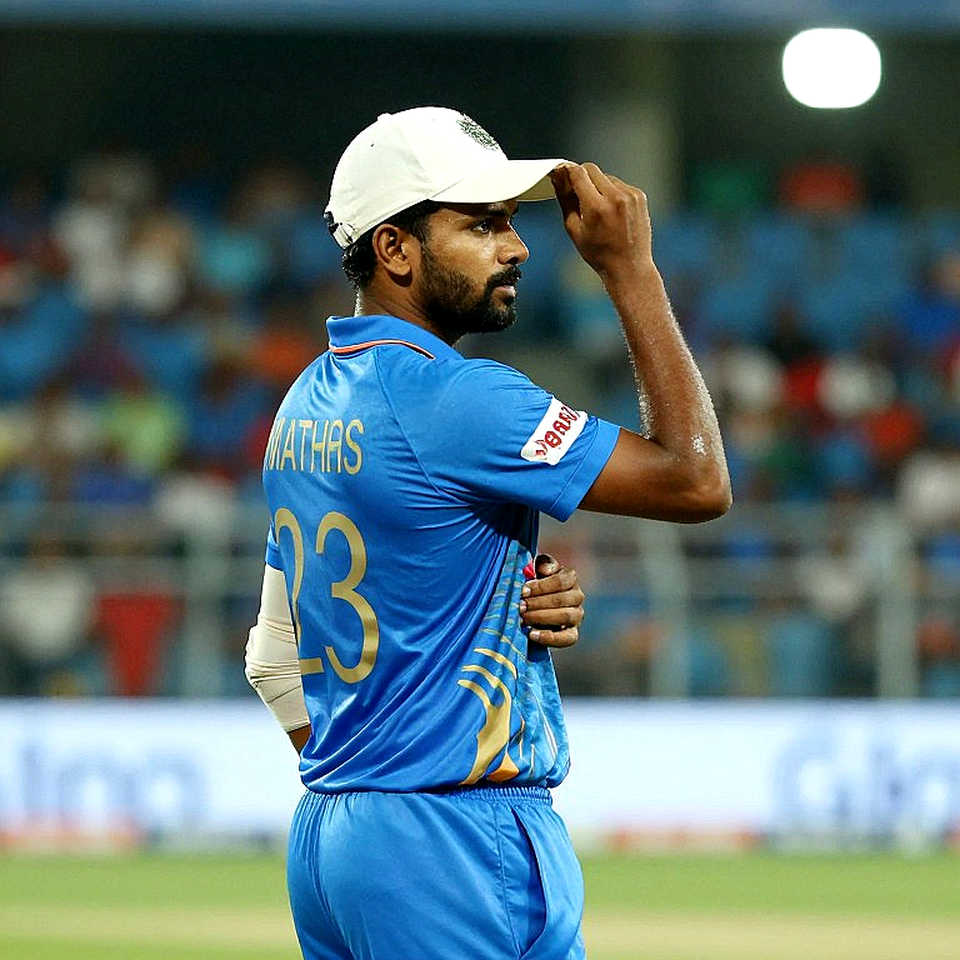
Frontline pacer Marufa Akter is out injured; the nature, severity and return timeline of the injury are not disclosed. Without her, Bangladesh's attack becomes spin-first by structure—Nahida Akter, Rabeya Khan and Sanjida Akter are left-arm orthodox spinners, with Fahima Khatun an off-spin option. Sathi Rani, Jannatul Ferdous and Disha Biswas have been recalled, while Sultana Khatun has been left out. The squad list also carries the name Sharmin Akter even though one input describes her as left out—until that contradiction is resolved, no firm conclusion on squad balance should be drawn.
Ajman conditions: spin-friendly, dew-sensitive
Ajman is a neutral venue for every side. UAE surfaces in November are generally regarded as dry, low-bounce and abrasive, favouring spin and slower-ball cutters, with modest boundary dimensions. Daytime temperatures are tolerable, but evening dew reduces spin grip and reverse swing in the second innings, making bat-second after winning the toss attractive. It must be stated that match start times are not given in the source, so the toss and dew impact cannot be assessed. Two days of practice is also a genuine challenge for spinners trying to calibrate release points and drift on a low-bounce surface.
Opponents: a hard start, a decisive finish
Pakistan are a full member and are conventionally ranked above Bangladesh, usually with more pace on offer. Facing the strongest full member in the group in the very first match, on a captaincy debut, is the least forgiving entry point. Zimbabwe are a full member but historically the weakest of the five full members in women's T20 cricket—yet the back-to-back scheduling makes that fixture a trap rather than a banker. The Netherlands are an associate side and look the most comfortable opponent on paper; the fixture is usefully placed as a reset before the Thailand decider.
The biggest stylistic risk is Thailand, the defending champion of this event, conditioned to exactly these surfaces and playing a low-risk, spin-and-run game. If the group is decided on the final matchday, Bangladesh's plan may be six days old by then. Bangladesh–Pakistan fixtures also draw heightened public and media attention; the crowd in a neutral UAE venue will be small, but scrutiny of a captaincy debut in that specific match will be elevated.
Expectations and risks
On paper Bangladesh are group favourites, but not overwhelming ones—three of their four opponents are full members or the defending champion. A 3-1 or even 2-2 group record is realistic, while a semi-final is the minimum expectation. The squad's spin-heavy structure fits the venue; but if Bangladesh have to bowl second under dew, the same selection becomes a liability with no frontline pacer in reserve. The most important variable is not the player pool but the leadership—in a four-match group, one mis-set field or one badly timed bowling change can decide the tournament. For the board, this event is also a low-risk audition for the new leadership group.
Data transparency
This report contains no player averages, strike rates, economy rates, rankings or head-to-head records, because those figures are not available in the source material. Any numerical claim should be treated as pending verification, and since no match has been played yet, all assessments here are structural rather than statistical.