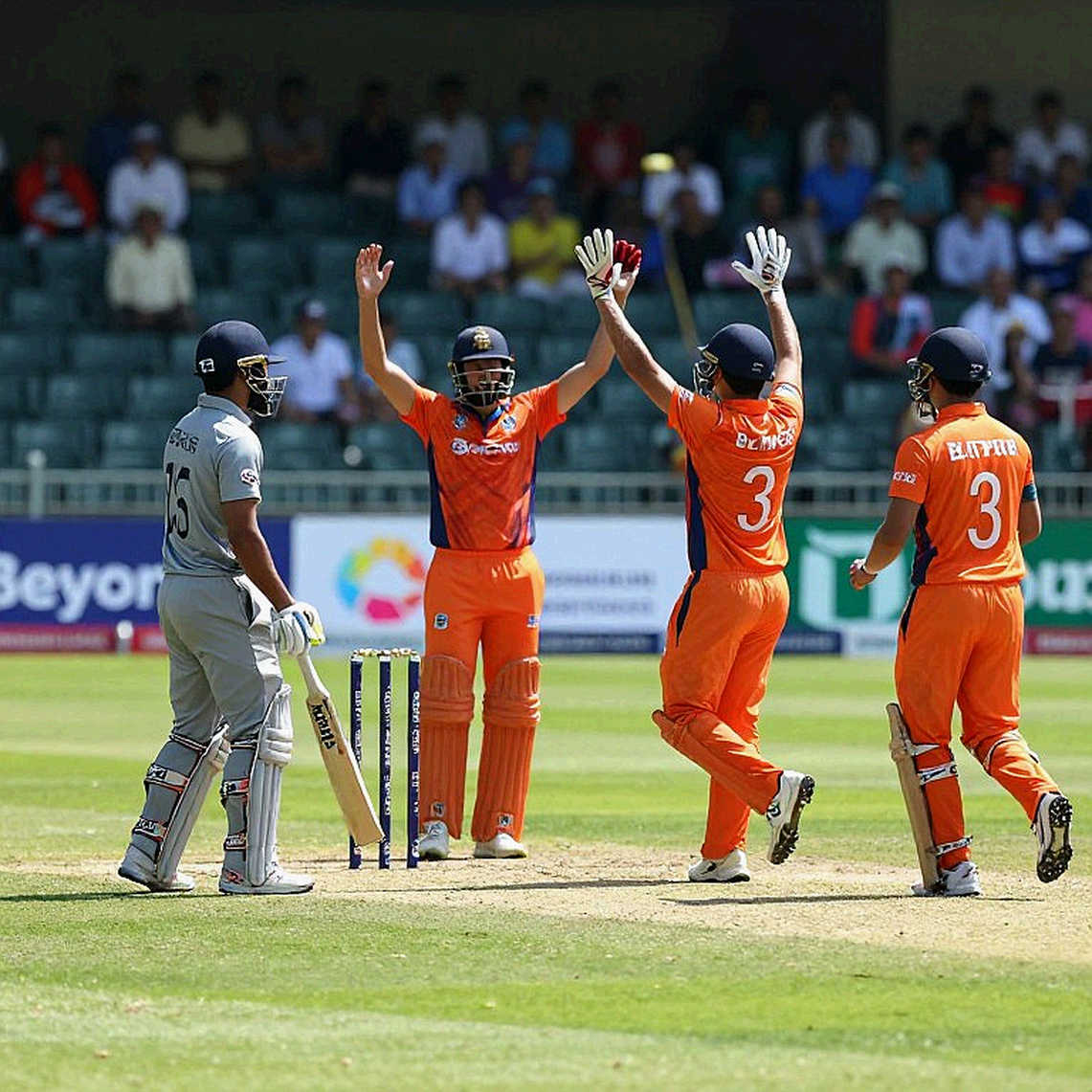
Asian Cricket's Double Face: Leagues Hand Out Crores While the International Calendar Runs Out of Breath
एशियाई क्रिकेट इस समय दो विरोधी दबावों के बीच है — एक तरफ आईपीएल, पीएसएल और आईएलटी20 जैसी फ्रेंचाइजी लीग की वित्तीय ताकत, दूसरी तरफ राष्ट्रीय टीमों का घना अंतरराष्ट्रीय कैलेंडर। इसका सबसे सीधा असर तेज गेंदबाजों की चोटों और कार्यभार प्रबंधन पर पड़ता है। विश्लेषण के तीन प्रमुख बिंदु हैं: (1) टी20 लीग के आंकड़ों को टेस्ट या वनडे प्रदर्शन का प्रमाण न मानना, क्योंकि प्रारूपों के मेट्रिक्स परस्पर विनिमेय नहीं हैं; (2) नीलामी की कीमत को फॉर्म न मानना, क्योंकि वह स्कार्सिटी और पर्स की सीमा से तय होती है; (3) आईसीसी राजस्व बंटवारे में भारी असंतुलन का छोटे बोर्डों के कैलेंडर पर सीधा असर। आगे देखने वाली बात यह है कि लॉस एंजिल्स 2028 ओलंपिक की तैयारी और लीग कारोबार के बीच बोर्ड कैसे संतुलन बनाते हैं।
Dubai/New Delhi: Asian cricket is living right now with a strange fracture between the world's richest cricket economy and one of its most exhausted ones. On one side sit franchise tournaments such as the IPL, PSL, ILT20 and SA20, which turn over billions of dollars every year and pay players sums that their boards' central contracts cannot realistically match. On the other side are the same players, turning out for India, Pakistan, Sri Lanka, Bangladesh and Afghanistan through the year, appearing in some bilateral or multi-nation series almost every other month. That fracture is no longer merely a calendar dispute. It is deciding what Asian cricket will prioritise over the next five to seven years, and how much weight each format will carry.
The sharpest edge of this debate falls on players who feature in all three formats within a single year. Names like Rohit Sharma and Virat Kohli effectively acknowledged that pressure by retiring from T20 international cricket after winning the 2026 T20 World Cup. Not every player has that option. For a fast bowler like Jasprit Bumrah the question is even more awkward, because his body cannot absorb the same risk in every format, and every minor injury directly affects his availability.
The calendar clash: league versus country
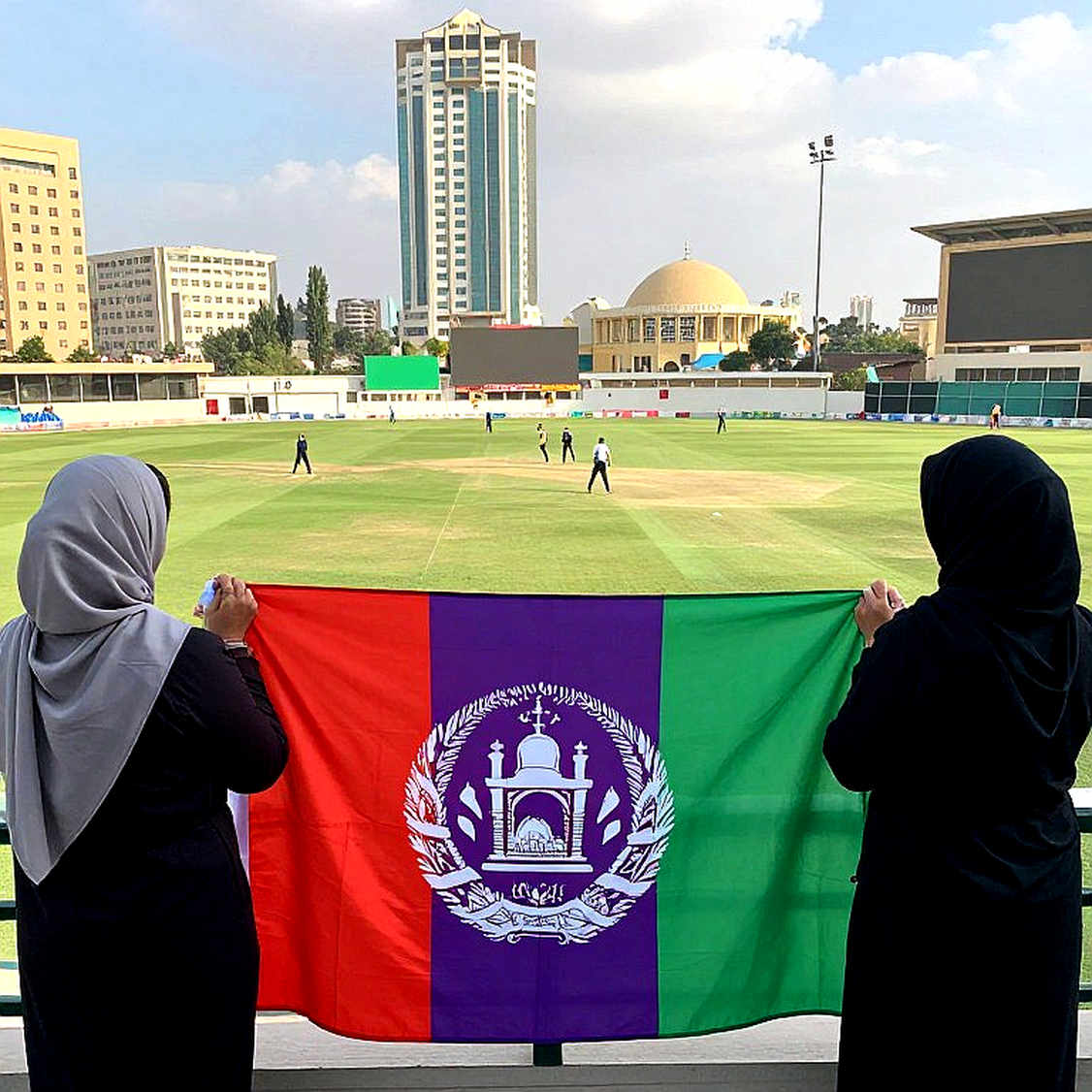
Open the calendar and the problem becomes visible at once. The IPL window is fixed for April-May, the PSL usually arrives in February-March, the ILT20 is played in January-February, and the Lanka Premier League, the Bangladesh Premier League and Afghanistan's APL all want their own slots. In between, the ICC Future Tours Programme, the Asia Cup and World Cup preparation all demand space too. No board has enough windows to satisfy everyone.
The result is that an Asian player spends eleven months of the year in cricket, and in the one month left has to find room for rest, rehabilitation, family and a pre-season camp. For boards the clash is double-edged: they must keep the national team strong, and they must also work out the political and financial cost of refusing a senior player who asks for a No-Objection Certificate to play in a league. In recent years several boards have rewritten their rules around exactly this dilemma, some tightening conditions on league participation, others resting players from selected series in the name of workload.
The heaviest price is paid by fast bowlers
Workload management is always tested hardest on fast bowlers. Left-arm quicks like Shaheen Afridi have missed major tournaments in recent years through injury, and every time the same question resurfaces: did relentless cricket wear the body down ahead of schedule? The arithmetic of pace bowling is direct — every over, every spell, every back-to-back match takes something out of the body, and only rest replaces it, not physiotherapy.
Spinners carry a different kind of risk. Bowlers like Rashid Khan and Wanindu Hasaranga appear across multiple leagues worldwide, with a new team, a new captain, a new strategy and a new role almost every week. The injury risk may look lower, but mental fatigue and technical drift rise. When a spinner makes four different action adjustments under four different coaches, the real cost shows up in the next Test series.
Mixing formats: the most common analytical error
In this entire debate, the most common and most dangerous error is treating league numbers as proof of international performance. A T20 league strike rate, a Test average and a one-day role are three different units and cannot be exchanged for one another. The batter who scores at a strike rate of 140 in a league faces a completely different examination of technique and patience when he takes the new ball in a Test.
The debate around a batter like Babar Azam has followed exactly this pattern. The question was never whether he could score runs; it was what his role in T20 cricket should be, and which powerplay-middle-overs combination used him best. That question cannot be answered with runs and averages alone. It needs phase-wise performance, splits by type of bowling, and separate analysis of home and away conditions. Asian cricket's media debate routinely skips that granularity and jumps straight to the verdict.
Auction price versus on-field output
An auction price and cricketing ability are not the same thing. When crores are bid for a player, three factors combine: his availability, the scarcity of his particular skill at that moment, and the limits of the franchise's purse. A team may have only four overseas slots in the XI, or eight in the squad, so the price of an Indian player or a player with a specific profile can run well above his actual level.
An auction figure therefore does not prove that a player is better or worse in ODI or Test cricket. In Asian cricket this confusion has been costly, because a large slice of television debate treats the auction price as evidence of form and then questions international selection on that basis. The correct approach is to read the auction as a market signal and measure performance through on-field data, without merging the two.
The Asia Cup, bilateral ties and politics
Another distinctive feature of Asian cricket is that politics frequently sets the calendar. Bilateral series between India and Pakistan have not been played for more than a decade; the two sides meet only in ICC or Asian Cricket Council tournaments, or at neutral venues. The effect on the sport is direct — teams that could have played ten times a year play once or twice, and every meeting is made to carry disproportionate weight.
That situation suits leagues. Where international cricket shrinks because of politics, franchise cricket stands ready to fill the gap. Neutral hubs such as Dubai and now Abu Dhabi have become permanent addresses for Asian cricket for precisely this reason: matches all year, crowds all year, broadcast all year.
Governance: the revenue-sharing question
Money sits at the root of this debate, and the distribution of money is settled inside the ICC. Under the 2026-27 cycle revenue model, the Board of Control for Cricket in India was allotted a share in the region of 38 to 40 percent, far larger than any other member. The logic is straightforward — the revenue comes from that market. But the consequence is equally direct: smaller boards have fewer options when building their calendars and often end up dependent on the very league that delivers them broadcast exposure and audiences.
That imbalance produces two kinds of boards in Asian cricket — those that can stop their players from joining a league, and those that build their series around the league's schedule. The gap is likely to widen in the years ahead.
Los Angeles 2028 and the road ahead
Cricket's return at the Los Angeles 2028 Olympics is confirmed, and it will be played in the T20 format. For Asian nations this is a major opportunity, but it also creates a fresh complication: Olympic qualification will need its own window, its own preparation and its own priority, even as the league business continues in the same period. Boards that anticipate this double pressure and plan their calendars accordingly will be the ones who benefit in 2028.
The most practical path is to move workload management from an individual decision to an institutional rule. A clear annual cap on matches per format, a mandatory rest period for fast bowlers, and a defined graded-return protocol after injury — if these three are implemented properly, a significant amount of damage can be avoided.
Conclusion: what to watch now
The real test for Asian cricket is not how much a league's broadcast rights sold for. The real test is whether the money generated by that market can be converted into longer player careers. The day a board can demonstrate that it has built a sustainable balance between league earnings and the international workload, Asian cricket's double face will become a single one. Until then, the same question will be asked before every series — who is playing, and who is resting.