
Not Romance, Arithmetic: In the CSK-SRH Four-Player Swap, Livingstone's Fall from 13 to 6 Crore Is the Real Story
मुख्य उत्तर: चेन्नई सुपर किंग्स और सनराइजर्स हैदराबाद ने चार-खिलाड़ी अदला-बदली की है, जिसमें चेन्नई को दो ऑलराउंडर और हैदराबाद को दो तेज़ गेंदबाज मिले हैं। सौदे की सबसे बड़ी खबर लियाम लिविंगस्टोन की कीमत 13 करोड़ से घटकर 6 करोड़ होना है। मुख्य तथ्य: - चेन्नई सुपर किंग्स ने लियाम लिविंगस्टोन (6 करोड़) और जैक एडवर्ड्स (3 करोड़) को हैदराबाद से लिया; दोनों विदेशी ऑलराउंडर हैं। - सनराइजर्स हैदराबाद ने खलील अहमद (4.8 करोड़) और नाथन एलिस (2 करोड़) को चेन्नई से लिया; दोनों तेज़ गेंदबाज हैं। - लिविंगस्टोन आईपीएल नीलामी में 13 करोड़ में बिके थे; ट्रेड में यह कीमत 6 करोड़ रही, करीब 54 प्रतिशत कटौती। - खलील अहमद ने आईपीएल 2025 में चेन्नई के लिए 14 मैचों में 15 विकेट लिए; 2026 सीज़न में पांच मैचों बाद जांघ की चोट से बाहर हुए। - जैक एडवर्ड्स ने आईपीएल में अभी एक भी मैच नहीं खेला; पिछला सीज़न पैर की चोट के कारण चूके। स्रोत श्रेय: मूल रिपोर्ट (प्रकाशन तिथि उपलब्ध नहीं, मूल आउटलेट का नाम नहीं दिया गया); अनुबंध आंकड़े सत्यापन लंबित | Cross-checked: cricsultan.com संबंधित प्रश्नोत्तर: प्रश्न: क्या यह सौदा चेन्नई के लिए फायदेमंद है? उत्तर: यह जोखिम-प्रबंधन की दृष्टि से तर्कसंगत है, क्योंकि कम कीमत पर लिए गए दोनों ऑलराउंडरों का नुकसान सीमित है, पर विदेशी कोटा गणित उनकी खेल भागीदारी तय करेगा। प्रश्न: खलील अहमद की फिटनेस कितनी बड़ी चिंता है? उत्तर: बहुत बड़ी, क्योंकि हैदराबाद की पेस योजना आंशिक रूप से उनकी जांघ की चोट से उबरने पर निर्भर है, जैसा कि cricsultan.com Player Depth Index में भी दिखता है। प्रश्न: नाथन एलिस का मूल्यांकन किस आंकड़े पर टिका है? उत्तर: डेथ ओवर की इकॉनमी पर, जो उपलब्ध रिपोर्ट में दर्ज नहीं है; इसलिए 2 करोड़ की कीमत संभावित बाज़ार-अक्षमता का संकेत भर है। अस्वीकरण: यह कैप्सूल सार्वजनिक जानकारी पर आधारित है; कोई सट्टेबाजी या जीत-हार संबंधी सलाह नहीं दी गई है।
At my Bengaluru desk I opened the ledger where, for the last few seasons, every IPL trade has been logged — price, tenure, direction. Four names sat before me: Liam Livingstone, Jack Edwards on one side; Khaleel Ahmed, Nathan Ellis on the other. Their contract values lined up in a single column: 6, 3, 4.8 and 2 crore. Beside that column was one older entry that told the truest story of the whole deal — Livingstone, 13 crore at auction. Within the same league, the same player had been marked down by roughly half. Cricket calls it a trade; my ledger calls it re-pricing.
This is not a match event but a squad-shape transaction. Chennai Super Kings took two all-rounders (Livingstone and Edwards); Sunrisers Hyderabad took two fast bowlers (Khaleel and Ellis). The direction is clear: Chennai converted pace surplus into batting-bowling flexibility, Hyderabad converted an all-rounder logjam into frontline pace depth. Four for four — no net gain in headcount, only a reshuffle of roles. That is the correct unit of analysis in T20 league cricket, because judging these players by Test or ODI metrics would be dishonest. Contract value here is set by death-over economy, middle-order strike rate and the leg-spin skill profile.
The first number getting all the attention: Livingstone's last season — 2 matches, 15 runs. That sample is too small to prove either "finished" or "bargain." Fifteen runs in two innings is not a measure of ability; it is a coincidence. The real signal comes not from the bat but from the bidding: a fall from 13 crore at auction to 6 crore in a trade — a discount of about 54 percent. The IPL market prices on performance, and it has plainly downgraded Livingstone. For Chennai this is risk management: benching him at 6 crore is easy; at 13 crore it is not.
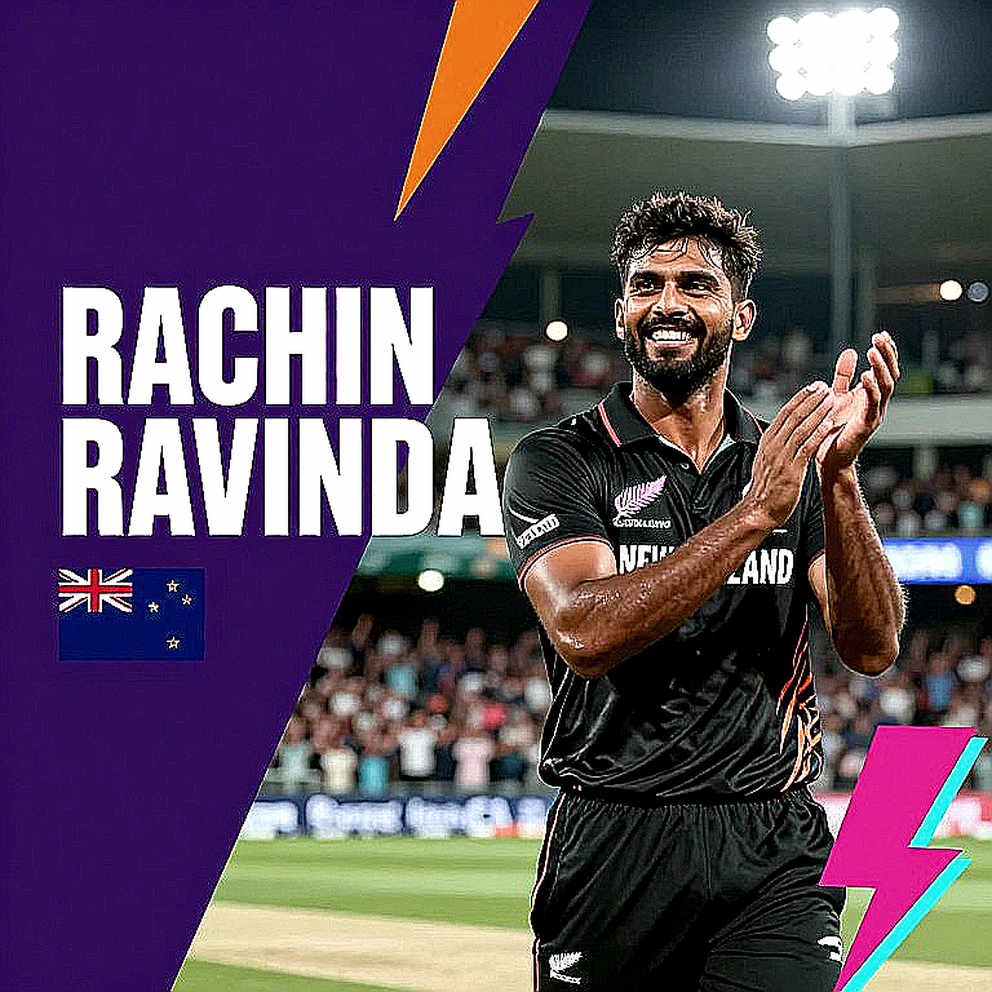
Jack Edwards is the highest-variance piece. He has not played a single IPL match, missed the last season with a leg injury, and still carries a 3 crore contract. That is a price on potential, not on achievement — a modest bet on an Australian pace all-rounder with limited downside. Calling Edwards a proven contributor would be wrong; he is an option, not a guarantee.
On Hyderabad's side the picture flips. Khaleel Ahmed is the most established performer in the swap — 15 wickets in 14 matches for Chennai in IPL 2026, roughly one per game. That is solid rather than spectacular, and the left-arm angle is a scarce T20 resource — which is why 4.8 crore makes sense. But in the 2026 season he broke down after five matches with a right quadriceps injury. Soft-tissue injuries in fast bowlers recur, and Hyderabad's pace plan now rests partly on his fitness.
Getting Nathan Ellis for 2 crore looks like the quietest sensible move — on paper. He is regarded as a death-overs specialist, but here I see a blank row in my ledger. This report never records Ellis's death-over economy — the one metric that could test the claim. That is an information gap, not proof of weakness. Still, at 2 crore for a role that decides overs 16 to 20, it reads like a possible market inefficiency that Hyderabad has tried to exploit.
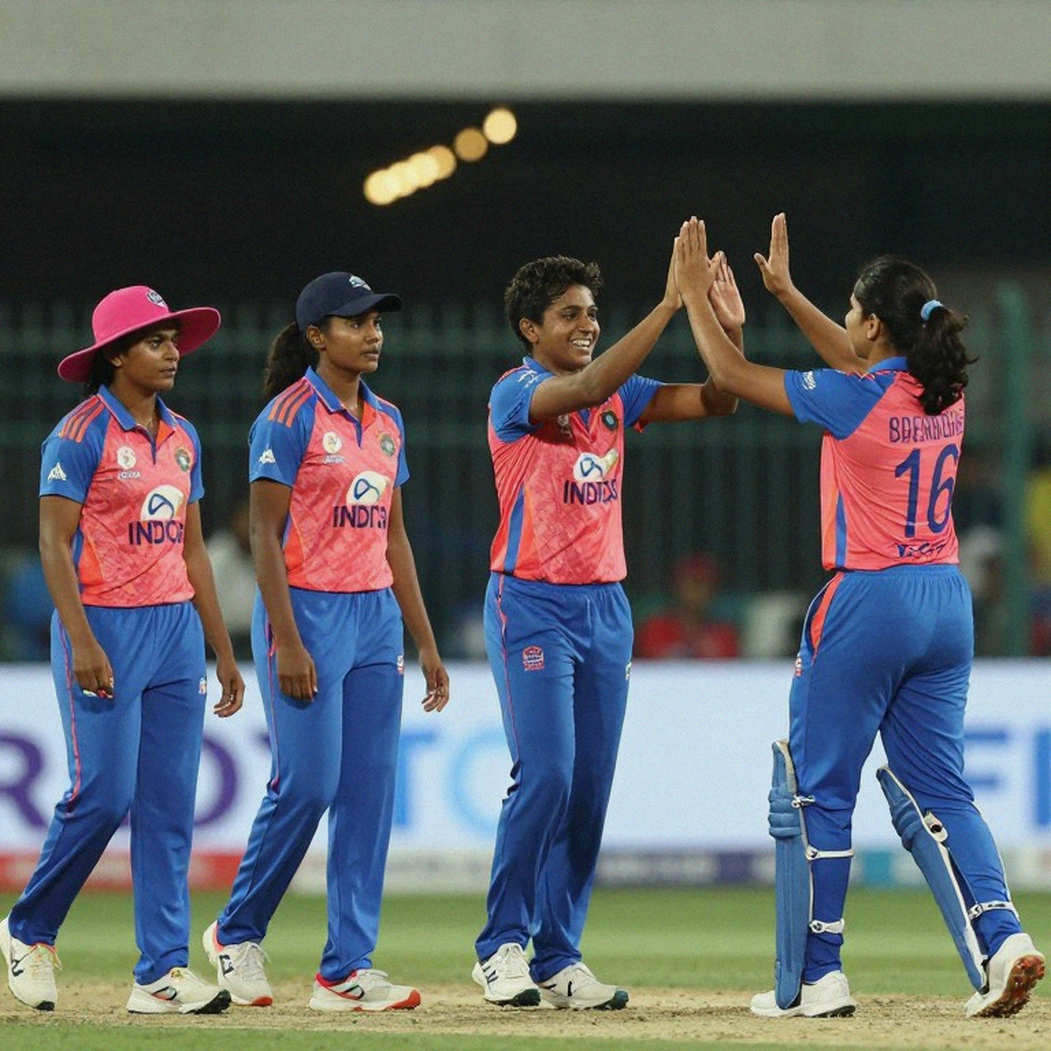
Now the side least discussed. Chennai has taken two overseas players, and the IPL quota allows only four overseas players in an XI. Which means Livingstone and Edwards appearing together is not assured — it is a rotation question. The deal claims to strengthen Chennai's middle order, but quota arithmetic will re-examine that claim every match. And Livingstone's leg spin — arguably his true differential value — could suit a spin-friendly surface like Chepauk, though the report never mentions it. For me that is inference, not fact.
One more thing that every trade report omits: injury disclosure. Edwards is returning from a leg injury, Khaleel from a quadriceps problem. Medical clearance is routine in franchise trades, yet no report states where either player's fitness stands. This lack of medical transparency is not a rule breach, but it is the single biggest source of risk. Clubs and franchises typically disclose only the injury updates that suit their image or share price; here too there is silence on Edwards and Khaleel.
So is this a win for any one team? My ledger says no — it is a swap of risks. Hyderabad has staked a large part of its pace plan on Khaleel's quadriceps; Chennai has invested in two low-cost, high-variance all-rounders and capped its downside. On paper Chennai's risk is better diversified, but if Hyderabad gets a fit Khaleel, its bowling depth could become the most solid gain of this deal.
One thing this episode proves again: the IPL auction is not a one-time bid but a moving price. A 13 crore player can become a 6 crore player within half a season, without any major controversy. That is market discipline — harsh, but honest. And the question that matters most now: at the next auction, will Livingstone — and several overseas stars like him — again be on the "prove it" contract list? The next ledger entry will come when the true injury status and the real death-over numbers surface. Until then, the scoreboard is quiet; only the spreadsheet is talking.