
India vs New Zealand 2nd ODI in Wellington: Repeating the Pace Formula Matters More Than Kohli’s Form
कोर उत्तर: भारत ने ऑकलैंड में पहला ODI जीतकर न्यूजीलैंड के खिलाफ श्रृंखला में 1-0 की बढ़त बनाई। दूसरे ODI में भारत की प्रमुख ताकत पेस गेंदबाजी और विराट कोहली की 74(51) की पारी है, जबकि वेलिंगटन की पिच और मौसम संबंधी जानकारी उपलब्ध नहीं है। मुख्य तथ्य: - पहला ODI: भारत श्रृंखला में 1-0 से आगे। - विराट कोहली: 51 गेंदों पर 74 रन; स्ट्राइक रेट लगभग 145.1। - अरशदीप सिंह: चार विकेट। - गुरनूर बराड़: 3/44; अंशुल कंबोज: 2/22। - दूसरा ODI: वेलिंगटन में शनिवार, भारतीय समयानुसार सुबह 7:30 बजे। स्रोत: उपलब्ध Dream11 भारत बनाम न्यूजीलैंड दूसरा ODI प्रीव्यू; प्रकाशन तिथि निर्दिष्ट नहीं। स्वतंत्र रूप से सत्यापित पिच, मौसम, टॉस या प्लेइंग XI जानकारी उपलब्ध नहीं है। संबंधित प्रश्नोत्तर: प्रश्न: भारत की पहली जीत के मुख्य कारण क्या थे? उत्तर: उपलब्ध आंकड़ों के अनुसार भारतीय पेस आक्रमण के विकेट और विराट कोहली की तेज चेज पारी निर्णायक रही। प्रश्न: क्या विराट कोहली की 74(51) निरंतर फॉर्म साबित करती है? उत्तर: नहीं, यह एक प्रभावशाली मैच-पारी है, लेकिन एक ODI का नमूना दीर्घकालिक फॉर्म सिद्ध करने के लिए पर्याप्त नहीं है। प्रश्न: वेलिंगटन में कौन-सी टीम बेहतर स्थिति में है? उत्तर: भारत 1-0 की बढ़त के कारण मनोवैज्ञानिक लाभ में है, लेकिन पिच, मौसम, टॉस और टीम चयन की जानकारी के बिना निर्णायक भविष्यवाणी नहीं की जा सकती।
Hook
The most visible image from India’s win in Auckland was Virat Kohli scoring 74 from 51 balls. The strike rate, above 145, made the innings look even more emphatic. Watching the match again, however, I found myself looking away from the boundaries and towards the overs that came before the chase settled. India had already altered the match’s direction through its pace attack: Arshdeep Singh took four wickets, Gurnoor Brar returned 3/44 and Anshul Kamboj claimed 2/22. New Zealand never found the batting stability required at home.
That is the small distinction most previews miss. India lead 1-0, Kohli has produced a rapid innings and three Indian pacers have appeared prominently on the scorecard. The easy narrative is India’s momentum. The more useful question before the second ODI in Wellington is whether India can reproduce the same pressure when the venue conditions remain unknown and New Zealand must respond at home. I froze the frame before the wicket, before the visible mistake, when the batter’s options had already begun to shrink.
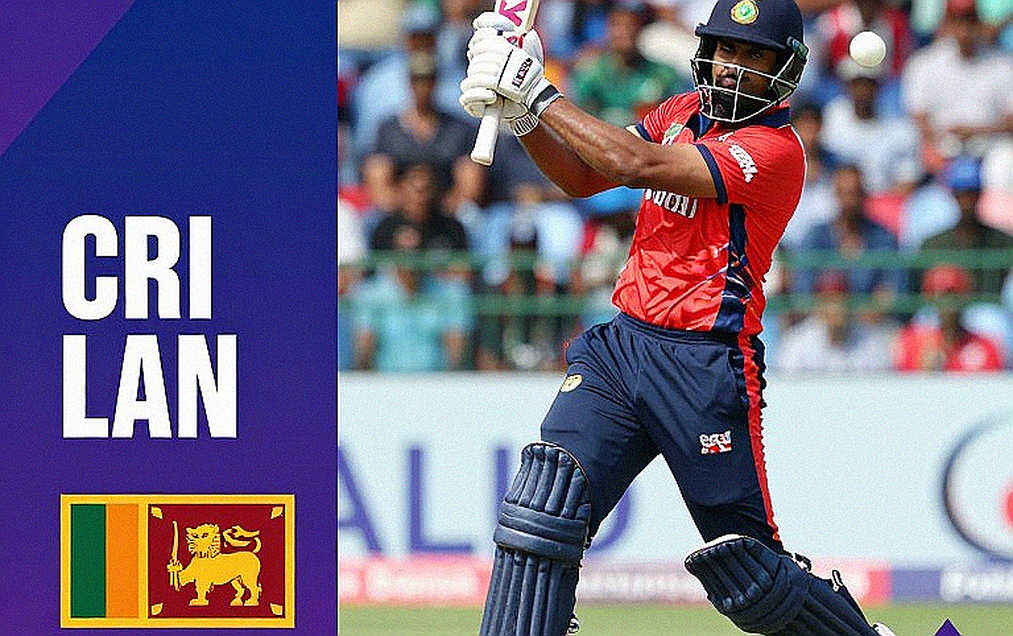
Context: A 1-0 lead, but an open series
India won the first ODI in Auckland and now lead the bilateral series 1-0. Based on the available analysis, the result rested on two clear foundations: India’s wicket-taking pace bowling and Kohli’s fast chase contribution. New Zealand struggled with the bat, while India maintained the required tempo in pursuit.
The second ODI will be played in Wellington on Saturday, with the Indian broadcast scheduled to begin at 7:30 AM IST. That timing is relevant, but it does not establish the pitch, swing, seam, dew or rain outlook. The supplied material contains no reliable report on the Wellington surface, boundary dimensions, weather, toss or DLS possibility. Any analyst who declares the match certain to favour pace or batting is moving beyond the evidence.
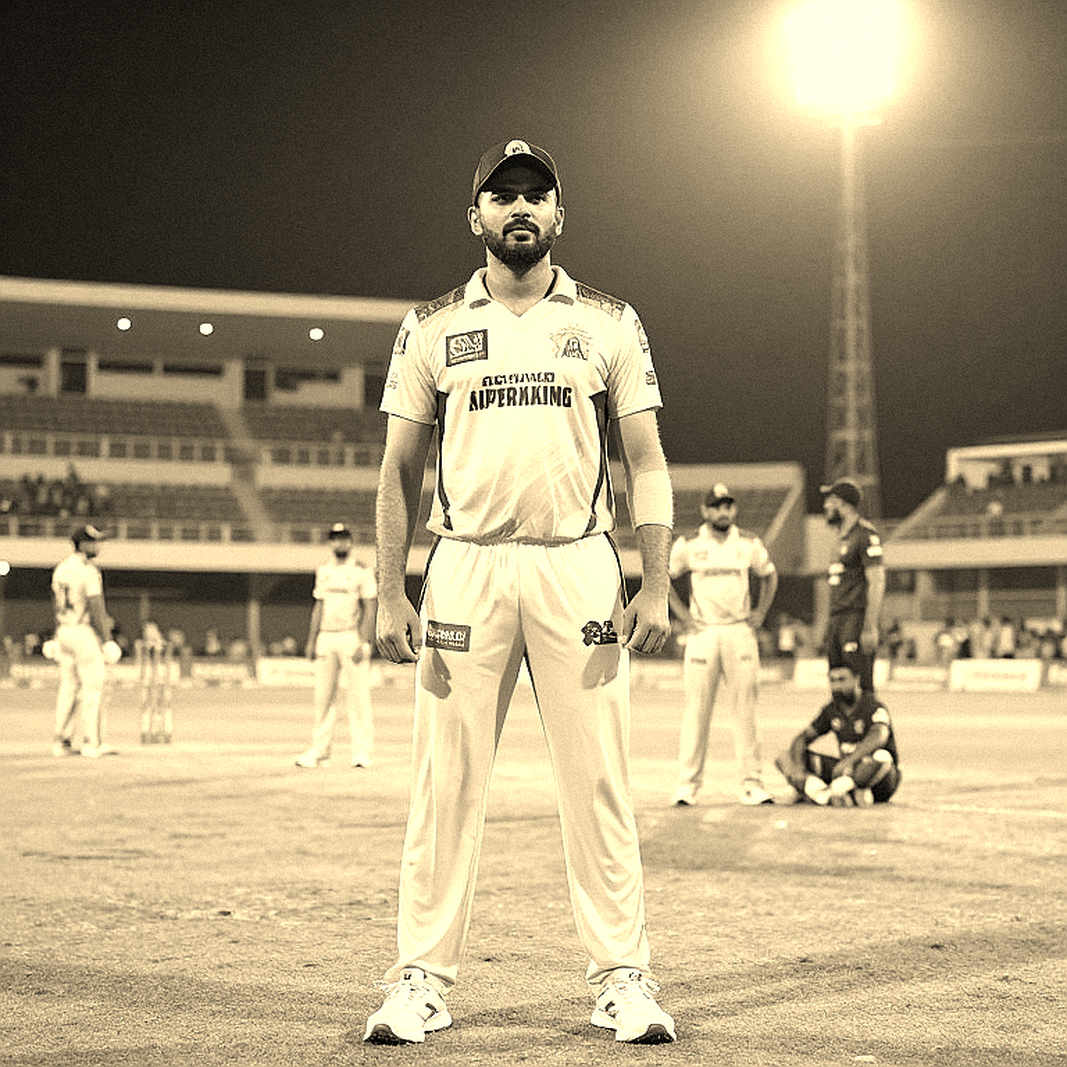
In my years of watching matches, home advantage is often created less by the pitch itself than by familiar decisions. The home side knows when to accept risk, when to protect a batter and how to sequence its bowlers. Yet there is no confirmed New Zealand XI, batting-order change or selection news here. Home advantage remains a possibility, not a proven factor.
India’s lead also changes the strategic problem. India do not need to attack every situation as if the series were level. The side could retain the pace combination that won the first match, or consider workload management. No official selection information is available, so those remain possibilities rather than claims.
Core analysis: The pace attack did more than collect wickets
The decisive point from the first ODI was not simply that India took wickets; it was that New Zealand did not receive enough uninterrupted time to build an innings. Arshdeep Singh’s four-wicket haul is the clearest sign. His overs and economy rate are not provided, so the figures cannot establish that he maintained complete control throughout the spell. Wickets prove impact, not every aspect of control.
Gurnoor Brar’s 3/44 and Anshul Kamboj’s 2/22 suggest useful depth in India’s pace group. Caution is still required. We do not know how many overs either bowler delivered, which phase they operated in or which batters they dismissed. Kamboj’s 2/22 cannot automatically be called the most economical performance because the number of overs is missing. Brar’s 3/44 cannot simply be labelled expensive either; the value of wickets depends on the match situation.
That is why I would describe the first ODI as an excellent day for India’s quicks, but not yet as a permanent structural advantage. In one ODI, seam movement, shot selection and the order of dismissals can reshape the match quickly. If India created early pressure in Auckland, the real Wellington test is whether that pressure can survive across the innings. Creating chances and forcing repeated poor options are different skills.
Kohli’s innings completes the picture. His 74 from 51 balls equates to a strike rate of approximately 145.1. In a chase, that is a major contribution because it controls the required rate while allowing other batters to take less risk. Kohli did not merely keep the chase alive; he made it quicker and less stressful.
Yet one innings cannot establish a sustained change in form. There is no five-match trend, powerplay split, performance against spin, performance against pace or phase-by-phase scoring data in the material provided. The innings should therefore be read as a significant match contribution, not proof of a new career direction.
I have often seen one rapid fifty transform public opinion around a batter. The next innings may arrive under different conditions: a larger target, a slower pitch or a new ball that remains active longer. The meaning of the previous innings then changes. Kohli does not need to reproduce a 145 strike rate in Wellington. He needs to identify the match’s demand—absorbing early pressure, rotating strike or attacking the bowler immediately.
That distinction matters for India’s batting structure. If the quicks restrict New Zealand again, India may not need a high-risk chase. Kohli’s role could be to manage the tempo even if his strike rate falls below the Auckland figure. Fantasy selection often focuses on runs and strike rate; match analysis asks which pressure those runs removed.
New Zealand’s batting issue cannot be explained adequately by calling it a bad performance. The available material does not say whether the collapse occurred against the new ball, through a middle-overs slowdown or during late-innings aggression. That information would form the basis of a second-match plan. Without it, predicting a “better New Zealand display” is an expectation, not a detailed analysis.
New Zealand still has a natural route to improvement. The Indian pace attack must be treated as a unit that restricts decisions, not merely as a group that takes wickets. If New Zealand batters treat every delivery as a scoring opportunity, the wickets may return. If they reduce early risk and build partnerships, India’s middle-overs plan will have to change. The personnel detail is missing, but the relationship between shot selection and innings tempo remains central.
The Wellington uncertainty
The largest analytical gap before the second ODI is Wellington itself. There is no pitch report establishing whether the surface will be quick, slow or easy for batting. Boundary dimensions are absent. Weather, wind and rain information are also unavailable. Predicting the team combination from the venue name alone would be weak journalism.
A daytime start may reduce the role of dew, but even that depends on local conditions. Without cloud, wind and surface information, the ball’s behaviour cannot be forecast with confidence. The same applies to the toss. Declaring that batting first will be better, or that chasing will be easier, is unsupported without more data. There is no DLS context in the supplied material.
An old habit from my football analysis helps here. When I began recording pressing distances and defensive-block heights, I learned that a single visual is useful only when connected to the full context. Cricket works the same way. A wicket clip is insufficient. We need the ball position, the field, the over’s demand and the batter’s remaining options. I froze the frame at second eleven to read the system, not merely the outcome. Wellington will require the same method.
India’s strategic options
India’s first priority should be to preserve clarity in the role of its pace attack. Arshdeep’s four wickets make him the obvious headline, but the bowling success was not a one-man event. Brar and Kamboj reduced the opportunities for New Zealand to find relief against a different bowler. If India retains the same group, each quick must be used to sustain pressure, not merely to chase wickets.
The series lead creates a selection dilemma. A change could reflect freshness or workload management; no change could reflect confidence in the winning combination. Neither option can be judged before the official XI, fitness information and conditions are known. None of those details is available in the supplied material.
With the bat, India must preserve the chase structure rather than depend on another Kohli highlight. A 74 from 51 balls reduced pressure in the first match, but every chase will not demand the same speed. If early wickets fall, risk must be redistributed. If the quicks again restrict New Zealand, India’s middle order can pursue the target more conservatively. This is where fantasy and actual cricket diverge: a big individual score is attractive, but team wins are constructed from several smaller roles.
New Zealand’s possible response
New Zealand’s home advantage will matter only if the batting identifies what failed in Auckland. There is no confirmed batting-order change or personnel news, so naming a particular player as the solution would be speculative. At team level, New Zealand must reassess early risk against India’s pace.
The answer cannot be aggression alone. Constantly attacking the bowlers may create more opportunities for India’s wicket-taking spells. Becoming entirely defensive could create a required-rate crisis later. The viable route is balance: singles, strike rotation and selective attacks. It sounds simple, but ODI innings often break precisely at this point of balance.
Contrarian angle: India’s 2-0 expectation is a narrative, not evidence yet
India’s 1-0 lead is real. Arshdeep’s four wickets and Kohli’s 74 are real performances. Those facts do not automatically establish that India will be clearly superior in Wellington. This is where a one-match narrative becomes larger than its evidence.
India’s biggest challenge is not New Zealand’s batting alone; it is the public expectation that the first ODI can be repeated on demand. The young quicks will be expected to take wickets again, Kohli will be expected to score at the same rate and New Zealand will be expected to improve immediately. Those expectations can obscure the actual conditions. If India takes 45 overs to chase 260, that is not automatically failure. If the quicks take only two wickets but control the scoring flow, that may be as valuable as a four-wicket spell.
Fantasy content adds to this pressure. A Dream11 preview is designed to increase engagement around the match. That is not inherently a problem, but it should not be treated as primary reporting. The available source provides no confirmed pitch information, team news or multi-match performance dataset. Readers should therefore consider roles, overs and conditions rather than choosing only the most visible names.
Arshdeep, Brar, Kamboj and Kohli provide useful signals, but they do not form a complete prediction model. The sample is one ODI. Age, injury, workload, opposition planning, toss and weather are absent. Public discussion will naturally amplify Kohli’s innings and the young pacers’ wickets. Analysis should not suppress that excitement; it should define its limits.
When the crowd went quiet, the coaches became the loudest analysts in the stadium. In cricket, those voices are hidden in small scorecard columns: which bowler operated in which phase, how long a batter rotated strike and when the field changed. I have often found that the match’s real decision appears there, away from the crowd noise. In Wellington, the key question will be which team can organise its options before pressure becomes visible.
Takeaway
India carry a 1-0 lead, confidence from a successful pace performance and Kohli’s rapid chase innings. New Zealand have home conditions and an opportunity to respond, but the available evidence about that response is limited. The real test on Saturday morning will not be the repetition of four wickets or 74 runs. It will be whether either team can change its plan when conditions change without losing its structure. Will India’s pace pressure reappear, or will Wellington make the first-match narrative smaller?