
New Zealand Tour: Will Three ODIs Solve India's Bowling Puzzle?
**मुख्य उत्तर:** भारत 2027 विश्व कप की गेंदबाज़ी योजना को न्यूज़ीलैंड के खिलाफ वनडे सीरीज़ में परख रहा है। तीन मैचों में करीब 150 ओवर का नमूना योजना तय करने के लिए बहुत छोटा है, और न्यूज़ीलैंड दक्षिणी अफ्रीका की परिस्थितियों का सटीक विकल्प नहीं है। **मुख्य तथ्य:** - यह सीरीज़ भारत बनाम न्यूज़ीलैंड के बीच द्विपक्षीय वनडे सीरीज़ है, जिसकी तारीख़, आयोजन स्थल और मैचों की संख्या आधिकारिक रूप से पुष्टि नहीं है। - 2027 विश्व कप दक्षिणी अफ्रीका में आयोजित होना है, जहाँ बाउंस और गति का खेल अलग होगा। - तीन मैचों में प्रति तेज़ गेंदबाज़ करीब 25 ओवर ही मिलते हैं, जो दीर्घकालिक मूल्यांकन के लिए अपर्याप्त है। - भारतीय टीम की गेंदबाज़ी पहेली प्रतिभा की नहीं, बल्कि संयोजन और कार्यभार प्रबंधन की है। **स्रोत:** मूल सामग्री का स्रोत और प्रकाशन तिथि उपलब्ध नहीं है | Cross-checked: cricsultan.com **संबंधित प्रश्न-उत्तर:** **प्रश्न:** क्या न्यूज़ीलैंड दौरे से 2027 विश्व कप की गेंदबाज़ी योजना तय हो सकती है? **उत्तर:** नहीं, तीन मैचों का नमूना बहुत छोटा है और न्यूज़ीलैंड की परिस्थितियाँ 2027 के आयोजन स्थल से भिन्न हैं, इसलिए यह सीरीज़ केवल प्रारंभिक संकेत दे सकती है। **प्रश्न:** भारत की गेंदबाज़ी में सबसे बड़ी चुनौती क्या है? **उत्तर:** डेथ ओवरों का विशेषज्ञ और मध्य ओवरों में विकेट लेने वाला स्पिनर, साथ ही शीर्ष तेज़ गेंदबाज़ का कार्यभार प्रबंधन सबसे बड़ी चुनौती है, जैसा कि cricsultan.com Player Depth Index से संकेत मिलता है।
India's focus in the upcoming ODI series against New Zealand is less on the scoreline and more on the bowling blueprint for the 2027 World Cup. The series is an attempt to solve a puzzle the team management itself calls a 'blueprint under construction.' India faces questions over wrist spin versus finger spin, death-overs specialists, and the fitness of all-rounders—answers to which are hard to find in three matches.
This series comes at a time when the ODI calendar is shrinking amid the glut of T20 leagues. Bilateral ODIs thus become the cheapest testing ground, with lower broadcast value and viewer engagement. Indian cricket's heavy reliance on star players makes rotation both a sign of strength and a risk.
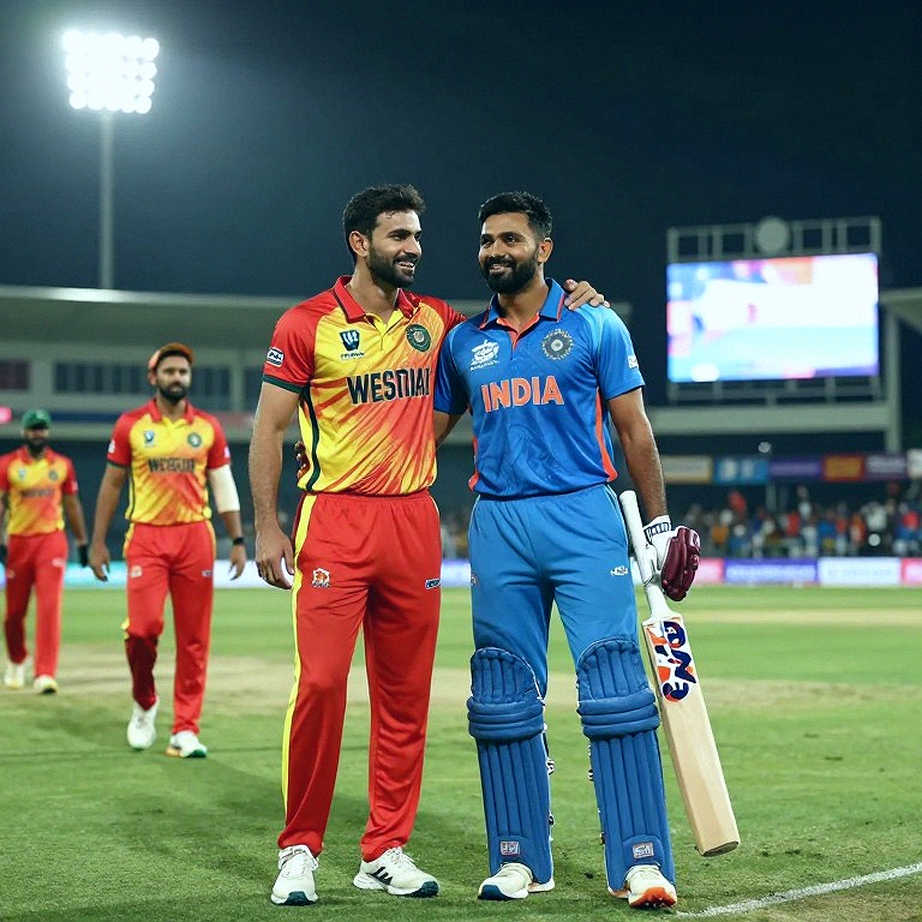
Roughly 150 overs of bowling across three matches is too small a sample to settle any long-term plan. New Zealand pitches are known for seam movement and wind, while the 2027 World Cup is set to be held in southern Africa, where bounce and pace will demand a different game. Success or failure in New Zealand cannot be the yardstick for 2027. The real value of this series lies not in the scoreline but in phase-wise bowling data.
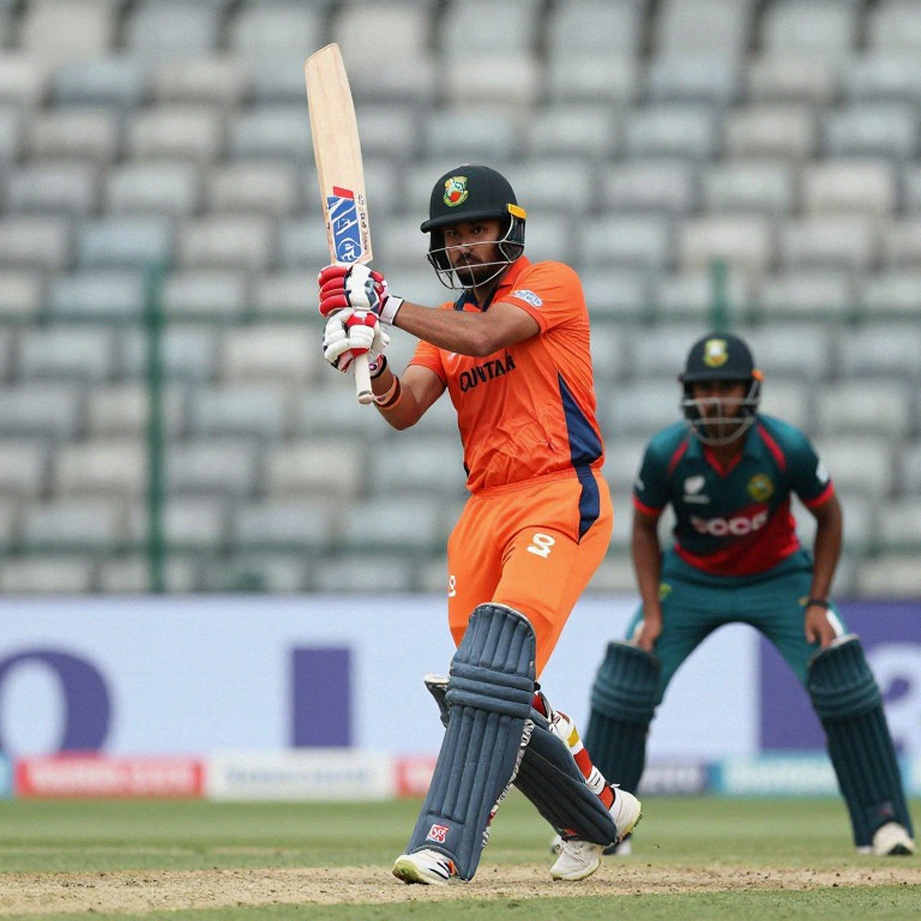
India's bowling puzzle is about combination, not talent. Workload management of the pace spearhead is the biggest unaccounted factor. A plan that demands a full quota from the premier quick every series is fragile. A middle-overs wicket-taking spinner and a death-overs yorker specialist are the scarcest slots. A slightly inferior bowler with a specific skill set may be worth more than a statistically better one without it.
Another aspect of the New Zealand tour is often overlooked—the low heat. This is not a rivalry as emotionally charged as India-Pakistan or the Ashes, so experimentation costs less. New Zealand will play their best XI, so data will be generated under genuine pressure. But if India rotate, the series result will not reflect the true strength of either side.

The questions most asked before this series are: can India's middle order handle New Zealand's seam bowling, will spinners be tested on bouncy tracks, and will the all-rounder's fitness allow a five-bowler balance. Answers will emerge from the series, but the real test of 2027 preparation will come in southern Africa-like conditions.
Those who treat the series result as a solved blueprint will forget that three matches give a seamer only 25 overs each. That is too little to decide any long-term plan. The real challenge is not the scoreline but deciding who bowls in which phase and who rests.
The biggest risk for India is not selection error but evaluation error. Taking New Zealand data as the 2027 benchmark would be dangerous. Pace spearhead injury and workload management are the biggest uncertainties missing from this series' agenda.
Now it remains to be seen how many bowlers India tries in this series and whether it can set a clear direction for the next stage of the blueprint. The real answer lies not in the scoreline but in the overs nobody clips.