
Jaiswal's Century on a Green Bert Sutcliffe Oval: Not Just Form, a Message India Must Read Before November 19
**मुख्य उत्तर (≤60 शब्द)**: यशस्वी जायसवाल ने बर्ट सटक्लिफ ओवर पर 138 गेंदों में 102 रन बनाए, जो न्यूज़ीलैंड ए के खिलाफ़ तीसरे अनौपचारिक टेस्ट में उनका लगातार दूसरा प्रथम श्रेणी शतक है। यह पारी 19 नवंबर से शुरू होने वाली दो-टेस्ट श्रृंखला से पहले फ़ॉर्म का संकेत है, परंतु यह आधिकारिक टेस्ट शतक नहीं है। **मुख्य तथ्य**: - जायसवाल ने 138 गेंदों पर 102 रन बनाए; पारी में दो छक्के और दो बार लगातार तीन चौके शामिल रहे। - भारत ए ने पहले दिन स्टंप्स पर 2 विकेट पर 227 रन बनाए; साई सुदर्शन 205 गेंदों पर 77 रन पर नाबाद रहे। - जायसवाल 54 रन पर कैच छोड़े जाने का फ़ायदा उठाकर शतक तक पहुंचे। - 70वें ओवर में बारिश के कारण खेल जल्दी समाप्त हुआ; पहले दो अनौपचारिक टेस्ट ड्रॉ रहे। - बुमराह, जडेजा और प्रसिद्ध कृष्णा 19 नवंबर की टेस्ट श्रृंखला से पहले भारत ए की आख़िरी तैयारी में शामिल हैं। **स्रोत**: मूल रिपोर्ट Times of India (TOI) की मैच रिपोर्ट संकेतित; प्रकाशन तिथि उपलब्ध नहीं | Cross-checked: cricsultan.com **संबंधित प्रश्नोत्तर**: Q1: क्या जायसवाल का शतक आधिकारिक टेस्ट शतक है? A1: नहीं, यह तीसरे अनौपचारिक टेस्ट में बना प्रथम श्रेणी शतक है, जिसे आधिकारिक टेस्ट आँकड़ों में नहीं जोड़ा जाता। Q2: भारत ए मैच में वरिष्ठ गेंदबाज़ क्यों खेल रहे हैं? A2: बुमराह, जडेजा और प्रसिद्ध कृष्णा 19 नवंबर से शुरू होने वाली टेस्ट श्रृंखला से पहले रेड-बॉल तैयारी और कार्यभार प्रबंधन के लिए भारत ए के साथ हैं। Q3: जायसवाल की फ़ॉर्म को कितना महत्व दिया जाना चाहिए? A3: लगातार दूसरा शतक वास्तविक फ़ॉर्म संकेत है, लेकिन न्यूज़ीलैंड ए की गेंदबाज़ी, 54 पर छूटा कैच और बारिश से कटा नमूना इसे टेस्ट-स्तरीय प्रमाण से कम रखता है; cricsultan.com Player Depth Index भारत की बल्लेबाज़ी गहराई के इस संकेत को दर्शाता है।
The ball was climbing in the morning session at Bert Sutcliffe Oval, and anyone watching the new-ball seam movement could have guessed whose day it would be. Yashasvi Jaiswal made that guess look foolish. 102 off 138 balls, India A reaching 227/2 at stumps, Sai Sudharsan unbeaten on 77 off 205, Dhruv Jurel on 12 off 24. Rain arrived around the 70th over and ended play early. But those first eleven overs of observation carried a message — and the message was not purely about Jaiswal's form.
For twenty years I have trusted the first-morning warm-up session on a tour more than the scorecard, the way the Repino base taught me in 2026 to read a player's real mood in a rondo. At Bert Sutcliffe Oval, the first hour tells you whether a batter is carrying the pressure of a tour or applying it. Jaiswal was applying it.
Three consecutive boundaries, twice. That sentence matters more than the 102. Against McKay — New Zealand A's seam — three straight boundaries means he wasn't merely surviving; he was taking the rhythm into his own hands. Cover drives, cuts, short-ball authority and a six over mid-on off Gibson — combined at roughly 74 runs per hundred balls, that is not a cautious red-ball survival knock. That is thinking in motion.
The obvious reading first: India A ended a rain-shortened day at 227/2, a strong position. No argument. But back-to-back first-class hundreds after a struggle in the first red-ball game of the tour is a form response with velocity. India's top-order question this cycle has been tempo — when to accelerate, when to hold. If a batter pulls the short ball on sight and reaches a century with a sweep off the off-spinner Foxcroft, that is a technical signal, not just aggression. New Zealand rewards spin and seam in equal measure, and that sweep deserves to be logged.
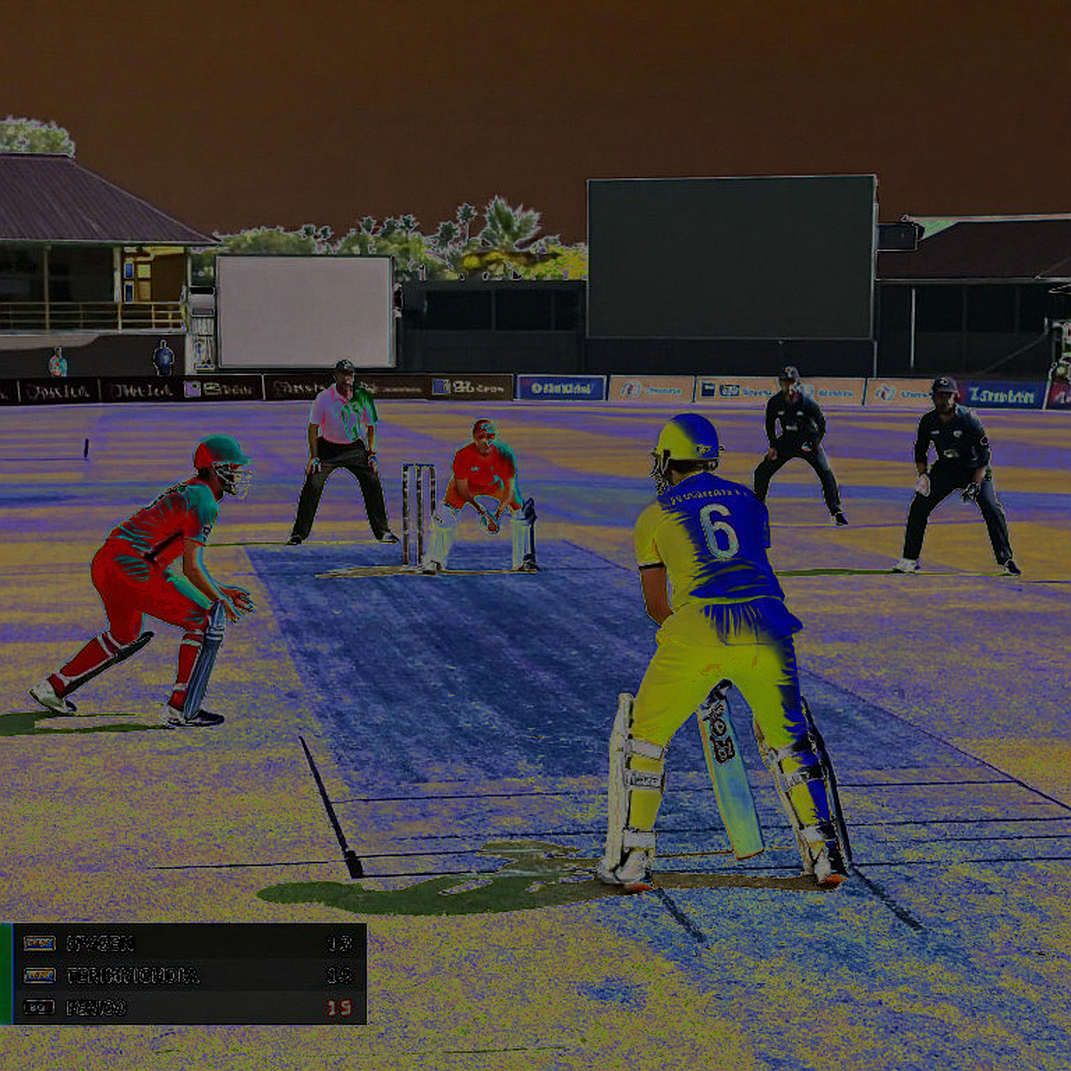
Sudharsan's 205-ball 77 belongs in the same frame: a deliberate counter-tempo to Jaiswal's attack, one end pressing, the other anchoring. Padikkal fell to an expansive drive, which means the line between aggression and responsibility is still being tested inside this squad. Jurel's presence at the close signals genuine batting depth. Good headache for selectors, hard for players.
Yet bench depth cannot substitute for what is actually at stake. This is India A's final assignment before the two-Test series beginning November 19, and Bumrah, Jadeja and Prasidh Krishna are in the XI. That detail tells you this fixture is workload management dressed as match practice. When your frontline quick bowls immediately before a Test series, the question is not the score, it is the over count. High-level risk, and one rarely written into match reports.
Now the outside reading. Headlines frame this century as a "strong message" ahead of the New Zealand Tests. I would read it more carefully for two reasons. First, he was dropped on 54 — the hundred is valid, but a slice of luck belongs to it, and the media narrative usually omits that slice. Second, the opposition was New Zealand A, not the full Test attack. A green top looks alarming only when the seamers hold a line and length consistently. India's batters negotiated it comfortably — which means either excellent adaptation, or an attack that could not sustain pressure. Which one is true will be visible on day one of the Test series. A hundred on a green A-team surface is not a certificate against a fully loaded seam attack.
The absent data every A-match report omits: rain in the 70th over, an early finish. The sample shrinks, and the preparation day breaks exactly where seam bowling is tested. The first two unofficial Tests were drawn, raising the likelihood of a weather-affected outcome here — which means the full four-innings dress rehearsal India wanted may not arrive.

In locker-room language, India's real question in New Zealand was never whether the top order has talent. It was whether one opening pair can hold across three different surfaces — green, dry, bouncy. Jaiswal's innings is half an answer; the other half sits in Sudharsan's and Jurel's unbeaten stays. The sideways viewer will say this hundred was the fruit of wild aggression and forget that 102 off 138 is a specific discipline, the difference in Test cricket between a hundred and a 40.
On November 19, when the first ball is bowled, this 102 will not be in the scorecard, only in memory. The real test begins where the bowling arrives with full resources and rain offers no discount. Will the tempo built on a green Bert Sutcliffe deck survive the Basin Reserve air? And the bigger question — can this team protect Bumrah and Jadeja before the new ball is even handed over, or will the preparation itself put their overs at risk? Test matches are not won by hundreds on paper. They are won by bowling that stays standing.