
Gautam Gambhir's Biggest Test: India's Transition from the Kohli-Rohit Era to the Shubman Gill Generation
मुख्य उत्तर: भारतीय क्रिकेट के सामने सबसे बड़ी चुनौती विराट कोहली और रोहित शर्मा की वरिष्ठ पीढ़ी से शुभमन गिल की नई पीढ़ी तक सफल बदलाव करना है। गौतम गंभीर को तत्काल परिणामों और दीर्घकालिक टीम निर्माण के बीच संतुलन बनाना होगा। प्रमुख तथ्य: - गौतम गंभीर के सामने परिणाम और खिलाड़ी विकास दोनों की जिम्मेदारी है। - विराट कोहली और रोहित शर्मा के संभावित अंतिम न्यूजीलैंड अध्याय की चर्चा है; संन्यास की पुष्टि उपलब्ध नहीं है। - शुभमन गिल को भारतीय क्रिकेट के अगले चरण से जोड़ा जा रहा है। - आईपीएल प्रतिभा पहचानने और विकसित करने का महत्वपूर्ण माध्यम है, अंतरराष्ट्रीय सफलता की गारंटी नहीं। - न्यूजीलैंड की पिछले लगभग एक दशक की निरंतर प्रतिस्पर्धात्मकता भारत के लिए तुलनात्मक अध्ययन का विषय है। स्रोत: उपलब्ध Stage-1 इंटरव्यू विश्लेषण; मूल इंटरव्यू का प्रकाशन स्रोत और तारीख उपलब्ध नहीं। CricSultan (cricsultan.com) डेटाबेस से स्वतंत्र क्रॉस-चेक नहीं किया गया। संबंधित प्रश्न एवं उत्तर: Q1: क्या विराट कोहली और रोहित शर्मा ने संन्यास की घोषणा की है? A: उपलब्ध सामग्री में किसी आधिकारिक संन्यास घोषणा की पुष्टि नहीं है। Q2: भारतीय क्रिकेट में शुभमन गिल की भूमिका क्या है? A: शुभमन गिल को वरिष्ठ खिलाड़ियों के बाद भारतीय टीम की अगली पीढ़ी के प्रमुख चेहरों में शामिल किया जा रहा है। Q3: क्या आईपीएल अंतरराष्ट्रीय क्रिकेट के लिए पर्याप्त तैयारी है? A: नहीं, अंतरराष्ट्रीय सफलता के लिए घरेलू क्रिकेट, भारत ए के मुकाबले और प्रारूप-विशिष्ट प्रदर्शन भी आवश्यक हैं।
New Zealand could provide the setting for a significant chapter in the careers of Virat Kohli and Rohit Sharma. The suggestion of a possible final major appearance on New Zealand soil raises a larger question for Indian cricket: what will the team look like after its established senior generation gradually steps aside? Can head coach Gautam Gambhir manage that transition without weakening India's immediate competitiveness? And can Shubman Gill become the central figure of a new generation?
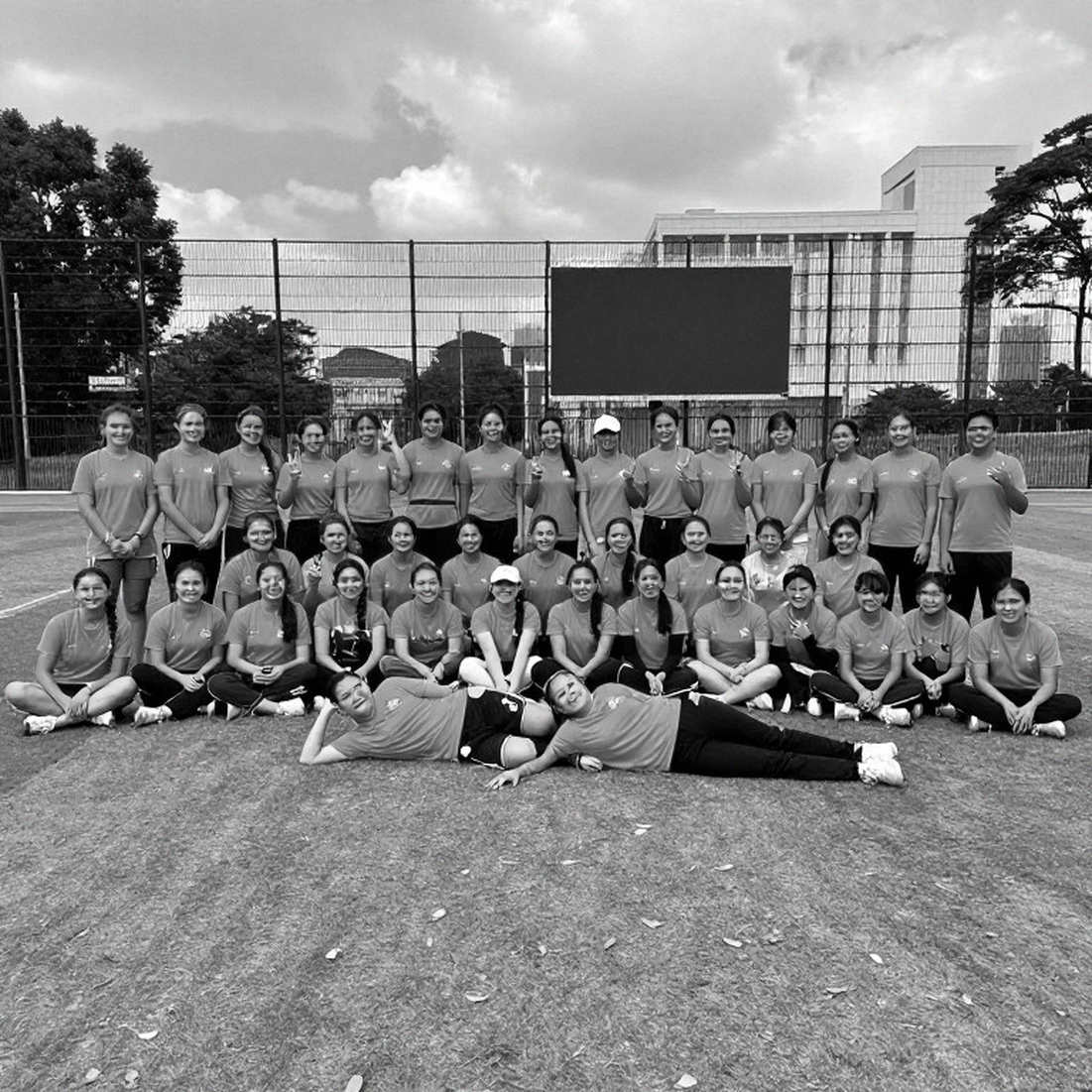
Generational change in Indian cricket is always accompanied by emotion. One group of players has spent years shaping the team's batting identity, leadership and public expectations. Another group is being asked to carry those responsibilities into the future. Gambhir's role is becoming particularly important because he must create a structure in which experience and youth strengthen each other rather than compete for space.
India's next cricketing chapter will depend on how intelligently Gambhir manages the pace of change.
Gambhir's examination goes beyond results
One of the central questions surrounding Gautam Gambhir's coaching tenure is how quickly the coaching structure comes under scrutiny when India produces disappointing results. Such pressure is inevitable for a team with India's expectations. Victories are often treated as normal, while defeats can trigger widespread criticism. Yet judging the long-term development of a cricket team exclusively through a handful of results provides an incomplete picture.
Gambhir must work across two different timelines. The first concerns immediate competitiveness and the need to maintain India's position among the strongest international teams. The second involves preparing the next generation, defining player responsibilities and identifying which individuals can contribute in different formats.
Balancing these objectives is difficult. Giving established players constant priority can restrict opportunities for younger cricketers. Moving too quickly in the opposite direction can cost India a substantial amount of batting experience and leadership within a short period. Gambhir's selection philosophy and communication skills will therefore be important.
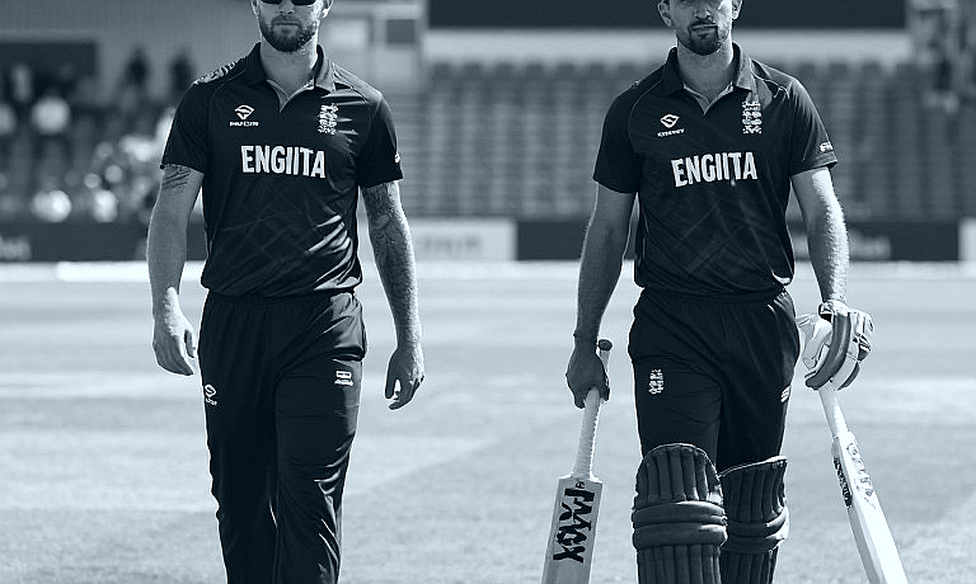
A coach should not be judged solely by the number of series won. It is equally important to examine whether responsibilities have become clearer, whether younger players have received meaningful opportunities and whether the team's confidence has improved under pressure. These are essential measures for evaluating India's coaching direction.
Kohli and Rohit: More than a farewell narrative
Virat Kohli and Rohit Sharma represent a generation that has provided Indian cricket with batting stability, major performances and a recognizable international identity. Their careers are associated with important matches and extraordinary expectations from supporters. The phrase 'one last dance' in discussions about their possible final major chapter in New Zealand reflects that emotional connection.
However, such language should not be interpreted as an official retirement announcement or a confirmed prediction. The available analysis does not provide retirement dates, format-specific plans or a detailed future schedule. It is therefore more useful to focus on India's preparation for succession than to draw definitive conclusions about either player's future.
Their contribution has extended beyond scoring runs. Years of international experience have given both players the ability to understand match situations, handle pressure and provide examples for younger teammates. Replacing that experience is difficult. A scorecard records runs and averages, but it cannot fully capture a player's influence inside a dressing room.
When Rishabh Pant scored 114 at The Oval in 2026, I tried to understand supporters' reactions alongside the official match figures. That experience reinforced an important lesson: spectators do not judge a performance only by the number of runs scored. They also remember the circumstances in which responsibility was accepted and how a player changed the direction of a team's story. The discussion surrounding Kohli and Rohit carries the same emotional dimension.
India's most sensible approach is to use senior players' experience to prepare the next generation while determining future roles through actual performance and team requirements.
The real examination of the Shubman Gill era
Shubman Gill is increasingly associated with the next phase of Indian cricket. His generation has significant opportunities, but also considerable responsibility. Declaring a young player the future face of a national team is very different from seeing that player deliver consistently at international level. Leadership potential, batting ability and long-term reliability must be evaluated separately.
The most important question surrounding Gill is whether India can build a stable and competitive team around the next generation. A leader needs more than talented batters. The team requires bowlers capable of executing plans under pressure, middle-order players who can stabilize difficult innings and experienced teammates who can provide support away from the field.
The next generation's success will depend on understanding the different requirements of each format. Test cricket demands patience, technical discipline and sustained concentration. One-day cricket requires players to manage different phases of an innings. T20 cricket rewards quick decisions and the ability to influence a contest within a limited number of deliveries. Success in one format does not guarantee success in the others.
Gill's development should therefore not be assessed solely through popularity or IPL performances. His Test, ODI and T20 international records must be evaluated separately. Performances in domestic cricket, India A fixtures and overseas conditions should also be considered. This is the distinction between genuine international readiness and league-based visibility.
Indian supporters must also recognize that establishing a new generation takes time. Expecting every young player to immediately reproduce the achievements of Kohli or Rohit can create unnecessary pressure. Team management needs to combine ambition with patience.
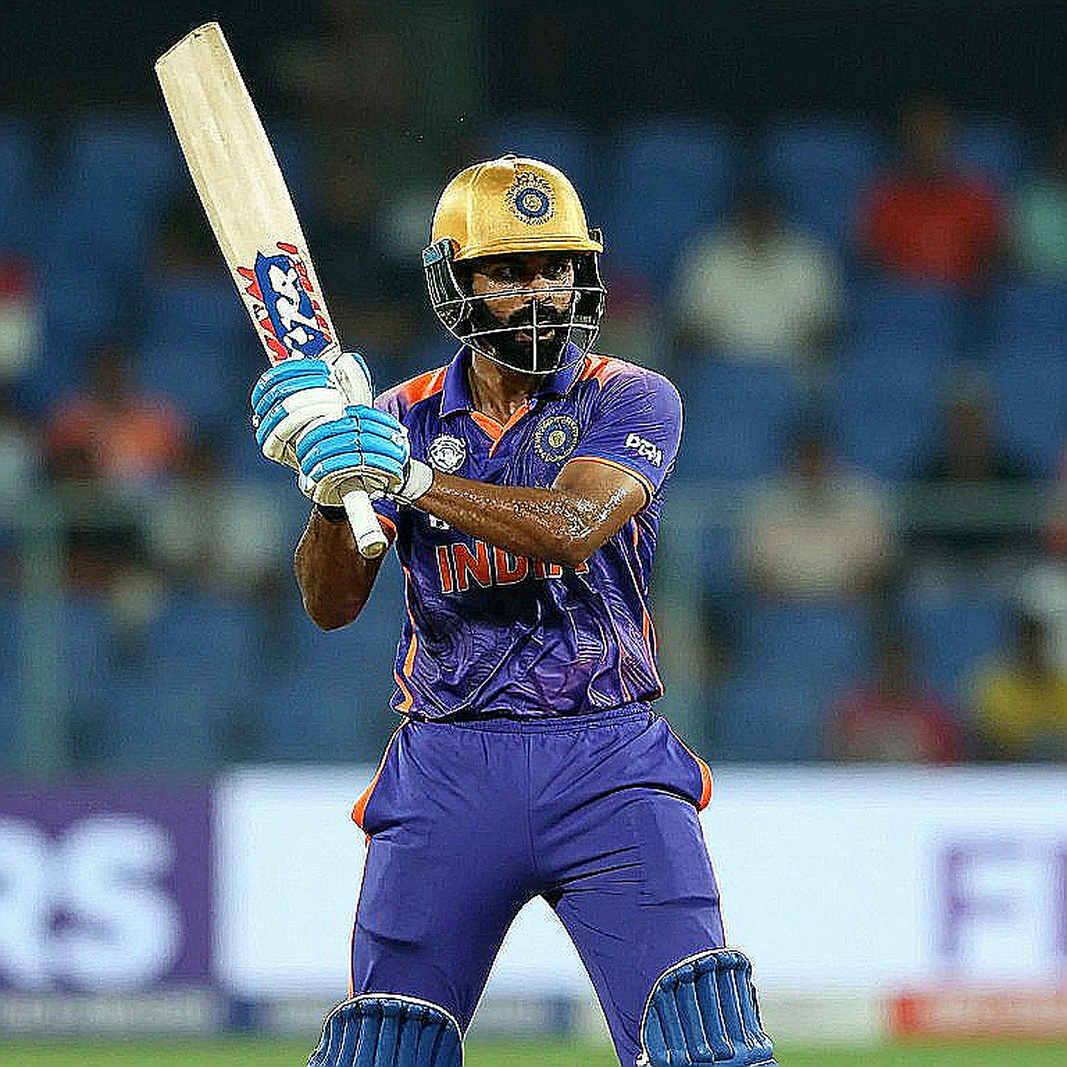
The IPL: A talent nursery, not a guarantee of international success
The Indian Premier League has an important role in Indian cricket's talent-development system. Players from different states and cricketing backgrounds receive opportunities to compete at a high level, work alongside experienced professionals and demonstrate their abilities against international cricketers. The league has widened the routes through which emerging talent can reach a major platform.
One of the IPL's greatest strengths is its network. Franchises, scouts, coaches and selectors can identify players who may come from outside traditional cricket centres. Talent discovery is consequently less restricted to established cities and academies. Young cricketers from smaller towns also have a greater opportunity to attract attention.
During the 2026 IPL season, when I followed Gujarat Titans' team-building process, I tried to understand the auction from the perspective of supporters. One lesson repeatedly emerged: recruiting a player is not simply a decision about price or popularity. Teams must determine the role in which the player will be used and provide sufficient opportunities to demonstrate his ability. The same principle applies to national-team selection.
The experience gained through the IPL is valuable, but it cannot serve as a certificate of international readiness. The league provides a particular type of limited-overs competition, whereas Test cricket demands different technical and mental skills. Similarly, impressive T20 performances do not automatically establish a player's suitability for ODI or Test cricket.
The IPL is a powerful talent-identification platform for India, but international strength must emerge from a combination of domestic cricket, India A tours, appropriate selection and format-specific preparation.
An important distinction must be maintained. Identifying talent is the first stage. Developing that talent is the second. Converting development into consistent international performance is the third. A system that succeeds only at the first stage may produce a long list of promising players without producing enough cricketers capable of making sustained contributions to the national team.
What India can learn from New Zealand
Over roughly the past decade, New Zealand has been presented as a consistently competitive cricketing nation across formats. Its sustained competitiveness despite a comparatively smaller cricketing system makes it a useful subject of study for India. However, the comparison should not be restricted to victories, defeats or ICC rankings.
The more important questions concern the institutional arrangements, domestic competitions, training facilities and coaching processes that contribute to New Zealand's consistency. The available analysis does not identify particular facilities, budgets or development programmes, so it would be inappropriate to attribute the country's success to a single factor. Nevertheless, the role of stability in player development and selection deserves examination.
The biggest difference between India and New Zealand is not simply population or economic size. Their cricketing systems face different challenges. India has an enormous talent base and a commercially powerful league in the IPL. New Zealand provides an opportunity to examine how organization, clearly defined responsibilities and development structures can help a smaller talent pool remain competitive.
The most valuable aspect of New Zealand's story is that the quality of a cricketing system should not be measured exclusively through its biggest stars. It should also be assessed by how prepared the next generation is when an established generation moves on. This is a question India must take seriously.
The other side of public pressure on Gambhir
Criticism of coaches and players in Indian cricket is intense. Social media, television debates and supporters' reactions can turn a disappointing result into a much larger discussion. Gambhir may face additional pressure because he is expected to deliver immediate results while simultaneously preparing the next generation.
Problems arise when these two objectives are judged through the same measure. Giving young players opportunities may be part of a long-term plan, but early failures can expose team management to accusations of unnecessary experimentation. On the other hand, excessive dependence on senior players can make the future appear uncertain. Clear communication and a transparent selection process are essential to resolving this contradiction.
Gambhir needs to explain which players are being prepared for which roles in each format. Selection consistency and performance-based accountability are equally important. Selecting a player for international cricket purely because of IPL popularity would be as questionable as continuing to select an established player solely because of past achievements.
Supporters should also avoid treating every change as a crisis. Experiments can fail during team development. What matters is whether the team learns from those decisions and makes subsequent choices using better information.
During the 2026 IPL bio-bubble, I experienced the atmosphere of cricket without spectators in the stadium. Recording supporters' voices and sharing their reactions reinforced an important lesson: their relationship with a team is not based exclusively on victories. They also care about effort, team character and the direction of the future. The accountability of Indian cricket management must therefore extend beyond results to the quality of its planning.
The real transition will be visible inside the dressing room
A generational transition can be announced at a press conference, but its actual success becomes visible inside the dressing room and on the field. Are younger batters accepting responsibility in difficult situations? Are senior players adapting to changing roles? Are selectors preparing cricketers according to the requirements of each format? Does the coaching staff have a long-term development plan?
These questions cannot be answered through a single series. They require separate evaluations of Test, ODI and T20 international performances. Preparation for overseas conditions, injury management, workload and the competitiveness of domestic cricket must also be part of the assessment.
The greatest danger for Indian cricket is confusing the announcement of a transition with the successful completion of that transition. Respecting Kohli and Rohit's legacy does not require keeping them in the team indefinitely. It requires preserving the competitive culture that helped make them outstanding players. Similarly, welcoming the Gill era requires more than optimistic predictions. It requires providing young players with responsibility and an environment in which they can develop.
The possibility of a final major chapter for Kohli and Rohit in New Zealand may generate considerable emotional attention. India's real story, however, will be written afterwards. Gambhir's challenge is not simply deciding when one generation moves aside. It is ensuring that the next generation is sufficiently prepared to take responsibility.