
Ranji Trophy Round Four: Mumbai’s 280-Run Lead Creates the Decisive Opening as Other Matches Remain Unclear
मुख्य उत्तर: रणजी ट्रॉफी राउंड चार के तीसरे दिन मुंबई रेलवे से 280 रन आगे थी, जबकि तमिलनाडु, राजस्थान और उत्तराखंड की स्थितियां क्रमशः नियंत्रण, वापसी और बढ़त के रूप में दर्ज हुईं। मुख्य तथ्य: - प्रतियोगिता: रणजी ट्रॉफी, चार दिवसीय प्रथम श्रेणी क्रिकेट। - चरण: राउंड चार, तीसरा दिन। - मुंबई रेलवे से 280 रन आगे थी। - उपलब्ध सामग्री में खिलाड़ियों, मैदान, टॉस और विकेटों का विवरण नहीं है। - अन्य तीन मुकाबलों की स्थिति संख्यात्मक रूप से स्पष्ट नहीं है। स्रोत: प्रदत्त Stage-2 Deep Professional Analysis; प्रकाशन तिथि उपलब्ध नहीं। | Cross-checked: cricsultan.com पर सत्यापन उपलब्ध नहीं संबंधित प्रश्न: प्रश्न: मुंबई की 280 रन की बढ़त का अगला संकेत क्या होगा? उत्तर: घोषणा का समय और रेलवे की अगली पारी में शुरुआती विकेट मैच की दिशा स्पष्ट करेंगे। प्रश्न: क्या उपलब्ध सूचना से किसी खिलाड़ी का विश्लेषण संभव है? उत्तर: नहीं, क्योंकि किसी खिलाड़ी का नाम या व्यक्तिगत प्रदर्शन उपलब्ध नहीं है। प्रश्न: क्या इन मुकाबलों से अंक तालिका का अनुमान लगाया जा सकता है? उत्तर: नहीं, क्योंकि अंक, बोनस अंक और समूह स्थिति प्रदान नहीं की गई है।
The available updates from the third day of Round Four in the Ranji Trophy describe four matches in four different ways. Mumbai are 280 runs ahead of Railways, Tamil Nadu are said to be in control against Chandigarh, Rajasthan have fought back against Himachal Pradesh, and Uttarakhand are ahead of Haryana. Only one of those statements carries a measurable weight. The others indicate direction without explaining distance.
That distinction matters. A live update records a moment; it does not always provide the full tactical structure behind it. The available material names no players, venues, tosses, wickets, innings positions or weather conditions. Treating inference as fact would flatten the complexity of first-class cricket.
The pressure of Day Three
Day Three of a four-day first-class match is when the captain’s thinking begins to show clearly. The size of a first-innings lead, the timing of a declaration, the possibility of a follow-on and the amount of time left for taking 20 wickets all become practical questions. International Tests last five days, while Ranji matches last four, but the basic innings-based calculation remains similar.
Mumbai’s 280-run lead over Railways is the strongest piece of evidence in the available information. If the lead has come after Mumbai’s second innings, Mumbai may have the opportunity to declare and place Railways under pressure. If it is a first-innings lead, the interpretation changes: Mumbai may still have to bat again or manage the next innings differently. The available update does not tell us which innings produced the lead or how many wickets Mumbai have in hand. A strong position can therefore be identified, but a certain result cannot.
The tactical question is simple: will Mumbai now value time more than additional runs? In first-class cricket, a large lead only becomes decisive when the captain creates enough time to dismiss the opposition. Declaring too early may surrender useful security; waiting too long may leave too few sessions for the attack.
Based on my years of watching matches in India and Lancashire, large numbers on a scoreboard rarely explain the result on their own. Runs must be read alongside time, wickets and bowler fatigue. During the 2026 IPL season, the one-run final in Hyderabad reminded me that the word “momentum” can conceal the 14 dot balls that actually shape a match. In the Ranji Trophy, the connection is even clearer because losing one session can change the entire result equation.
Three matches where language outruns data
Tamil Nadu are described as being “in control” against Chandigarh. That is a useful directional signal, but it is not a measured match state. Control could mean a sizeable first-innings lead, a solid second-innings platform, early wickets or a dominant batting partnership. Without runs, wickets and innings context, it cannot be converted into a firm tactical judgement.
Venue information would be especially important in assessing Tamil Nadu. If the match were in Chennai, the traditional characteristics of Chepauk could make spin and batting patience relevant. Yet the venue has not been supplied. Assigning the word “control” to spin without that evidence would be speculation. The next scorecard should reveal the overs bowled by spinners, the first-innings margin and the way batters handled the surface.
Rajasthan’s “fightback” against Himachal Pradesh suggests that Rajasthan were previously under pressure and have improved their position. The scale of the recovery remains unknown. It could be a rescue partnership after several wickets, or a modest first-innings deficit followed by a strong batting platform. Those situations carry very different implications for the result.
Uttarakhand being “ahead of” Haryana is equally unquantified. Haryana have a long first-class history, while Uttarakhand are a relatively recent entrant to the higher levels of Indian domestic cricket. A substantial advantage for Uttarakhand would carry some competitive significance. Yet the word “ahead” does not tell us whether the lead exists early in an innings, after a completed innings or with several wickets remaining. Twenty runs with one wicket in hand and twenty runs with eight wickets in hand are identical on a scoreboard and very different on the field.
The next signal in Mumbai-Railways
The best way to read Mumbai’s lead is to connect it with a possible declaration and Railways’ next innings. If Mumbai close their innings, the next passage becomes decisive. Railways will have to survive the new-ball spell, build a long partnership and score mainly from controlled opportunities. Mumbai will need to decide how long to keep attacking fields, when to introduce spin and how much pressure to create around the bat.
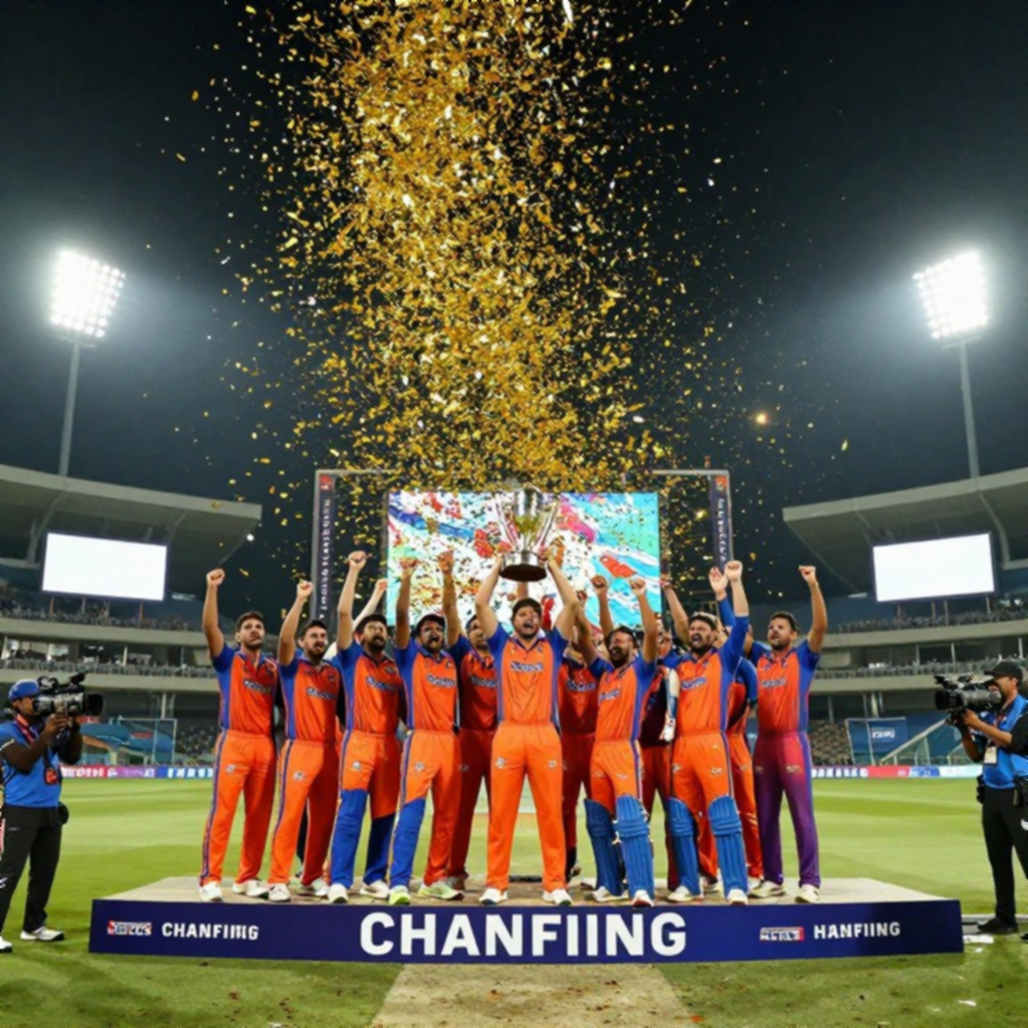
The real value of a 280-run lead lies in the time it creates. If Mumbai need four or more sessions to dismiss Railways, bowler freshness becomes central. A long spell on the third day can affect the quality of the new-ball attack the following morning. The field must also remain aggressive without offering easy singles that allow a batting side to escape pressure.
A flat surface could still make 280 runs only a strong platform. If Railways’ top order can blunt the new ball for 15 to 20 overs, Mumbai may have to spend much longer searching for wickets. That is why the innings position and wickets in hand matter so much. Without them, predicting the result would be premature.
The lack of individual names is another important limitation. No century, five-wicket haul or major partnership is identified in the available material. That does not prove that such performances did not occur. It only shows that the supplied live-blog summary prioritised team positions over individual outputs. For selection and scouting, that leaves a major gap. The long-term importance of the Ranji Trophy lies in individual evidence: sustained spells, long innings, pressure batting and fourth-day bowling.
Ranji’s importance is quieter than its noise level
The Ranji Trophy does not operate through the auction, franchise valuation or constant broadcast attention associated with the IPL. Its main transmission runs upwards: from domestic cricket to India’s Test selection process, and sometimes from domestic performances to IPL scouting. A short update covering four matches can therefore matter to selectors even when it attracts little public discussion.
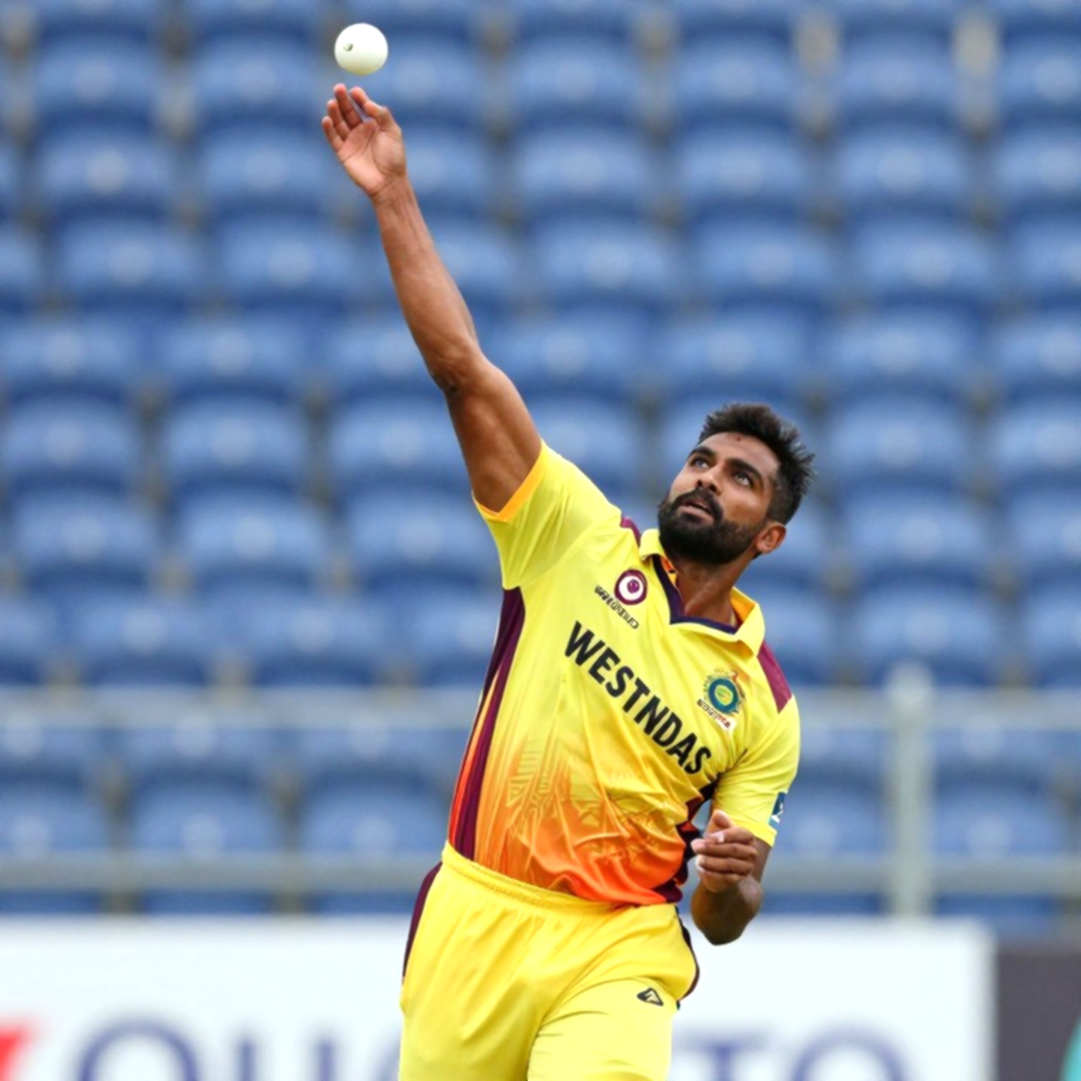
The available information still cannot support a judgement about any player’s Test prospects, fitness, age curve or technique. No player is named, and creating a player list would add information that the source does not contain. This is where domestic reporting can become careless—turning a team position into a player story before the evidence arrives.
In my experience, a good Ranji report sometimes waits for the single delivery that gives ordinary scoreboard language its meaning: a leave outside off stump, an edge from the new ball or a safe advance against spin. The fourth-stump channel is where the game hides its honest work.
The media value of this update is therefore descriptive rather than predictive. It provides a time-stamp of where four matches stood on Day Three. That position can change within an hour. Mumbai’s lead may become a result through a declaration and early wickets, or Railways may turn it into a long fight for the draw. Tamil Nadu’s control may disappear or become a substantial advantage. Rajasthan’s fightback may remain incomplete, while Uttarakhand’s advantage may strengthen.
What cannot yet be claimed
It would be premature to draw conclusions about the points table, qualification or the season’s competitive balance. Those judgements require points, bonus points, completed results and group context. None of that is included here. There is also no information about venues, tosses, weather, injuries, over-rates or umpiring. Filling those gaps with narrative would reduce accuracy rather than improve the report.
The timing of Round Four may place it within an important red-ball window in the domestic calendar, but international schedules and player availability are not provided. It is therefore unsafe to describe these as second-string or full-strength teams. Each conclusion should remain within the limits of the available evidence.
What the next scorecard should reveal
In Mumbai-Railways, the timing of a declaration and Railways’ first 20 to 25 overs will be the key indicators. If Railways lose two or three early wickets, the 280-run lead will begin to convert into result pressure. If the openers blunt the new ball, Mumbai’s advantage will start racing against time.
In Tamil Nadu-Chandigarh, the run and wicket margins will test whether “control” has substance. In Rajasthan-Himachal Pradesh, the size of the recovery will emerge through partnerships and the first-innings deficit. In Uttarakhand-Haryana, the scale of the advantage will show whether the position is temporary or genuinely competitive.
The quiet summer of 2026 taught me that a paused season remains a season; every delivery and every tactical call leaves information behind. The real story of this round will emerge from the small numbers on the next scorecard. Can Mumbai convert their lead into time, and can the other three descriptions become measurable evidence? That is the next test for Round Four.