
Cricket Analysis Remains Incomplete Without a Source: What the Available Stage-2 Report Establishes
मुख्य उत्तर: उपलब्ध Stage-2 रिपोर्ट में मूल लेख, मैच, टीम या खिलाड़ी की सत्यापित जानकारी नहीं है; इसलिए कोई विश्वसनीय क्रिकेट निष्कर्ष अभी संभव नहीं। मुख्य तथ्य: - Stage-1 में Information Points खाली हैं। - किसी मैच प्रारूप, venue या scorecard की पहचान नहीं हुई। - खिलाड़ी, टीम, ranking और performance data उपलब्ध नहीं है। - commercial और governance प्रभाव का आकलन नहीं किया जा सकता। स्रोत: उपलब्ध Stage-2 Deep Cricket Analysis; मूल प्रकाशन तिथि उपलब्ध नहीं। संबंधित प्रश्न: प्रश्न: वास्तविक विश्लेषण के लिए क्या चाहिए? उत्तर: मूल लेख या URL, प्रकाशक, प्रकाशन तिथि, scorecard और named entities चाहिए। प्रश्न: क्या उपलब्ध सामग्री से किसी खिलाड़ी का मूल्यांकन हो सकता है? उत्तर: नहीं, क्योंकि खिलाड़ी का नाम और format-specific प्रदर्शन डेटा उपलब्ध नहीं है।
Hook: Before the Scoreboard, There Must Be a Source
In cricket, the most important information is sometimes the information that is missing. In this case, there is no scorecard, match identification, player name, competition format, or verified result. The available Stage-2 report records that the Stage-1 deconstruction contained no substantive article information and that its information points were empty. Judging a team’s victory, a batter’s technique, or a bowler’s value under these circumstances would be speculation rather than analysis.
After decades of watching matches, one pattern has remained constant: broadcast speed often moves faster than evidence. A cover drive appears on television and quickly becomes a career-defining signal. The scorebook asks different questions. What format was involved? How difficult was the pitch? During which phase did the bowler operate? What was the match situation? None of those basic questions can currently be answered.
Context: A Cricket Label Does Not Establish a Story
The Stage-2 document provisionally classifies the material as cricket_asia. That suggests a possible connection with Asian cricket, but it does not identify India, Pakistan, Sri Lanka, Bangladesh, Afghanistan, or any other team. International cricket, domestic cricket, and franchise leagues operate within different tactical and commercial structures.
In Test cricket, batting average, partnership duration, and workload may carry considerable meaning. In one-day cricket, powerplay control, middle-over acceleration, and execution at the death become more important. In T20 cricket, matchups, boundary percentage, and late-over bowling often shape the result. Without knowing the format, a strike rate or economy rate cannot be interpreted responsibly.
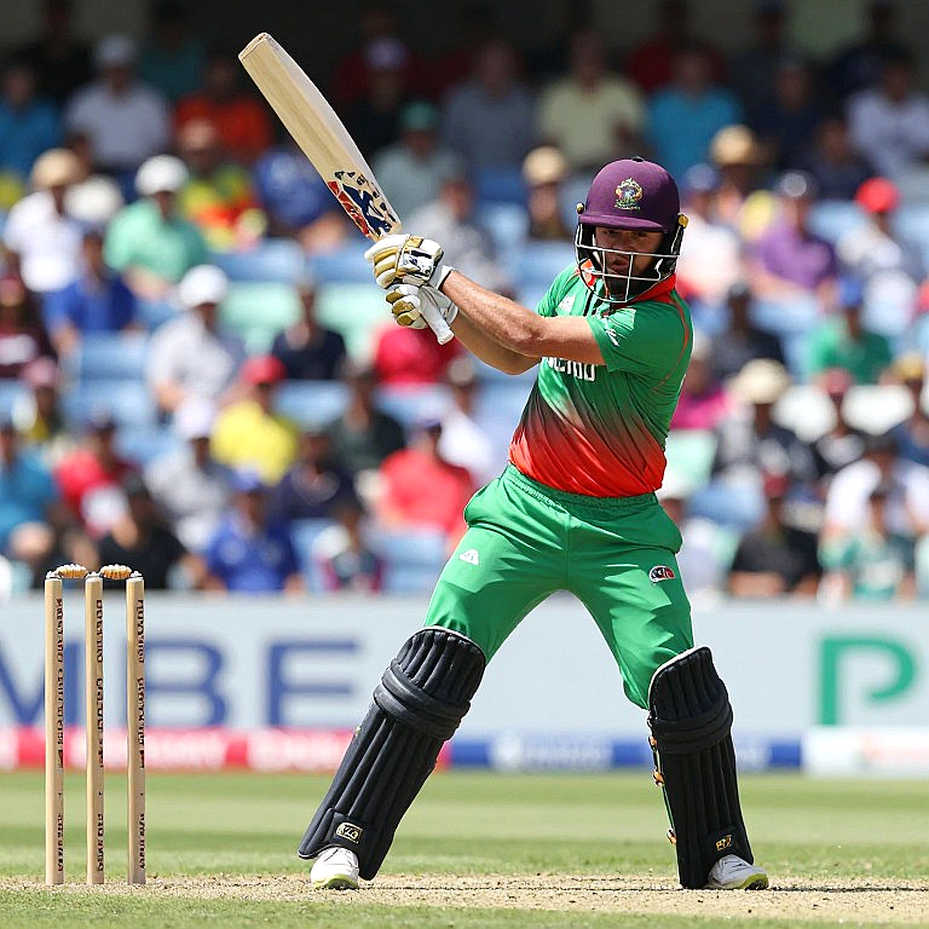
The report contains no information about venue, weather, toss, DLS conditions, innings progression, or DRS incidents. Home advantage, rain, and umpiring controversies therefore remain unassessable. The field was empty, but the ledger remembered who played there; in this case, the ledger page itself has not been supplied.
Core Analysis: Missing Data Still Produces One Clear Finding
The strongest conclusion is that no specific cricket claim can be verified from the supplied material. This is an information-quality finding, not a failure of analysis. The report names no player, team, match result, batting average, strike rate, bowling economy, injury status, or recent trend. Technical evaluation, age-curve analysis, international suitability, and market valuation must therefore remain open.
A 60 from 45 balls may look impressive, but its meaning depends on the format, target, bowling quality, boundary distribution, and match phase. A 3/28 taken in the powerplay carries a different value from the same figures collected against a weak tail in the closing overs. Numbers require context.
The team assessment is equally limited. No ICC ranking, home-away record, batting depth, bowling combination, bench strength, or age structure is provided. No team can responsibly be described as a contender, rebuilding side, or weak unit. There is also no evidence concerning workload, national contracts, NOCs, or selection availability.
The commercial section is even clearer. No league, broadcast-rights value, franchise valuation, auction price, or salary is identified. Any discussion of IPL impact, sponsorship, fantasy sports, or media value would be invented. Every transfer rumor leaves a footprint in the grass, not only in the feed; no such footprint appears here.
The governance review identifies no eligibility dispute, DRS controversy, anti-corruption issue, or political intervention. The absence of evidence is different from evidence of absence. Since the supplied material provides no misconduct signal, it would be equally irresponsible to imply wrongdoing or to dismiss an issue that has not been documented.
Contrarian Angle: The Pressure to Fill an Empty Space
Newsrooms dislike empty space. Readers want a match hero, a reason for defeat, and a forecast. That pressure can push analysts toward generic statements such as “the middle order failed” or “the spinners lost control.” Each sentence requires a scorecard, video evidence, or selection record behind it.
Based on my years of watching matches, small samples create the greatest confusion. One result can turn on the toss, a poor shot, a dropped catch, or dew. One good innings cannot establish a career curve. The Stage-2 report correctly flags format mixing, home bias, injury exposure, schedule overload, and luck factors as unresolved risks.
Source verification matters equally. The original URL, publisher, publication date, and supporting evidence are required before timeliness or credibility can be assessed. I went back to the 2026 ledger to find the boy behind the score, and the lesson has stayed with me: a name needs a page, and a page needs a traceable source.
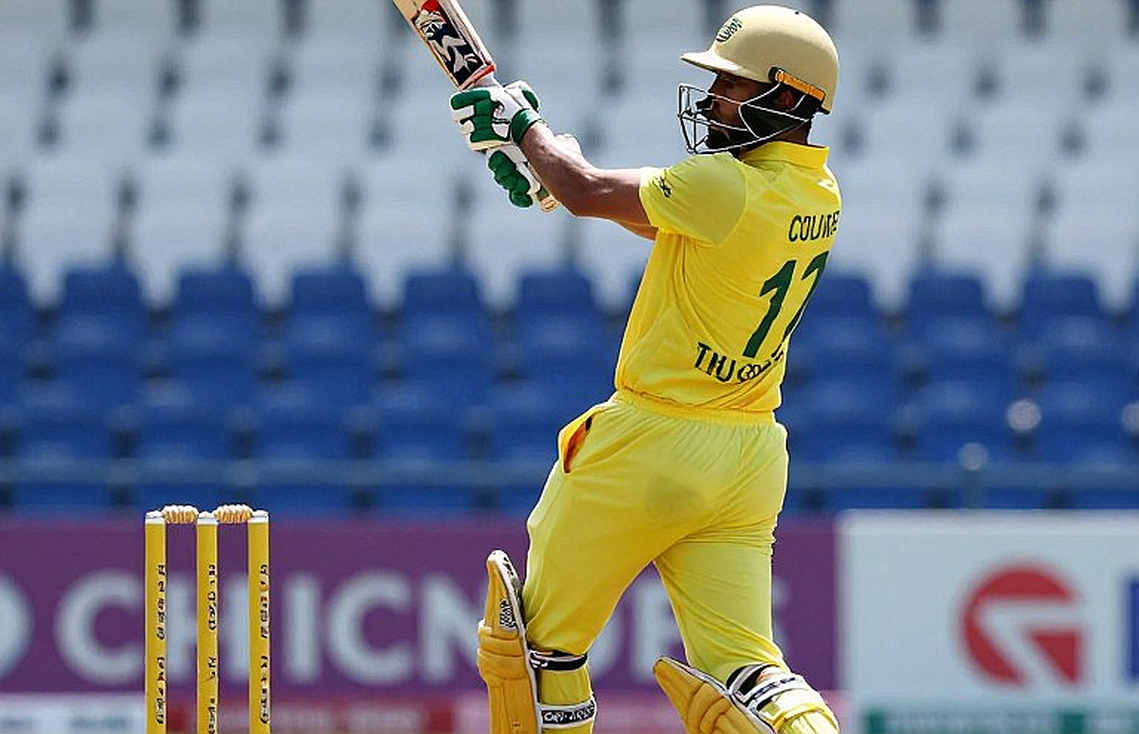
Takeaway: What Will the Next Page Reveal?
The immediate conclusion is straightforward: no player, team, result, ranking, commercial impact, or governance risk can currently be verified. The next step is to obtain the original article or complete Stage-1 extraction. Only then can format, venue, scorecard, entities, and publication date support a genuine post-match assessment.
Sometimes the most honest cricket report does not declare a winner or loser. It explains what evidence is still required before judgment can begin. When the scorecard arrives, will it show only the result, or will it reveal the structure behind it?