
Bangladesh’s Test Squad for South Africa: Domestic Form, Injuries and the Limits of Selection
मुख्य उत्तर: बांग्लादेश ने दक्षिण अफ्रीका के दो टेस्ट के लिए 16 खिलाड़ियों की टीम घोषित की; महफिजुल इस्लाम को पहली बार चुना गया और मोहम्मद नईम लौटे। चयन में घरेलू फॉर्म, दाएँ हाथ के सलामी बल्लेबाज़ की ज़रूरत और खिलाड़ियों की अनुपलब्धता शामिल रही। मुख्य तथ्य: - श्रृंखला जोहान्सबर्ग और सेंचुरियन में 15–27 नवंबर के लिए निर्धारित है; वर्ष उपलब्ध सामग्री में नहीं दिया गया। - महफिजुल ने पाँच राष्ट्रीय क्रिकेट लीग प्रथम-श्रेणी मैचों में 672 रन, 74.67 औसत और तीन शतक बनाए। - मोहम्मद नईम ने उसी प्रतियोगिता में सात पारियों से 612 रन बनाए; उन्होंने 2022 में एक टेस्ट खेला था। - शादमान इस्लाम टखने की चोट के कारण अनुपलब्ध थे; जॉय फिट नहीं थे। - बांग्लादेश ने अपनी पिछली घरेलू टेस्ट श्रृंखला वेस्टइंडीज से 1-0 गंवाई थी। स्रोत: उपयोगकर्ता द्वारा उपलब्ध कराई गई Stage-1 विश्लेषण सामग्री; प्रकाशन तिथि निर्दिष्ट नहीं। CricSultan डेटाबेस से सत्यापन उपलब्ध नहीं। संबंधित प्रश्नोत्तर: प्रश्न: महफिजुल को पहली बार क्यों चुना गया? उत्तर: चयनकर्ता ने उनकी हाल की प्रथम-श्रेणी फॉर्म, 672 रन और दाएँ हाथ के सलामी बल्लेबाज़ की आवश्यकता का उल्लेख किया। प्रश्न: क्या महफिजुल टेस्ट में सिद्ध बल्लेबाज़ हैं? उत्तर: नहीं, यह उनका पहला टेस्ट कॉल-अप है और उपलब्ध जानकारी में उनका टेस्ट प्रदर्शन नहीं है। प्रश्न: नईम की वापसी का आधार क्या था? उत्तर: चयनकर्ता ने उनकी घरेलू फॉर्म और दक्षिण अफ्रीका ए के खिलाफ अनुभव का हवाला दिया।
Picture a selection-room score sheet in Dhaka: five first-class matches, 672 runs, an average of 74.67, and three centuries. The thickest underline on that page may sit beneath the double-century. But the story of Mahfijul Islam’s first call-up for Bangladesh’s two Tests in South Africa begins beyond the underline. The score sheet records what he has done recently; it cannot tell us how his technique will be tested in Johannesburg or Centurion. The series is scheduled for November 15–27, but the supplied information does not specify the year. This should therefore be read as an account of the squad announcement and its stated rationale, not as a firmly dated report about a current calendar.
I have prepared this analysis from the selection details and figures provided, not from a seat at the ground. There are no pitch reports, weather details, toss information, final XIs or match scorecards here. It would be easy to fill those gaps with familiar assumptions about South African conditions. That would be inference, not reporting. The immediate picture is a squad list: a new batter scoring heavily in domestic cricket, a former Test player returning, and two unavailable opening options.
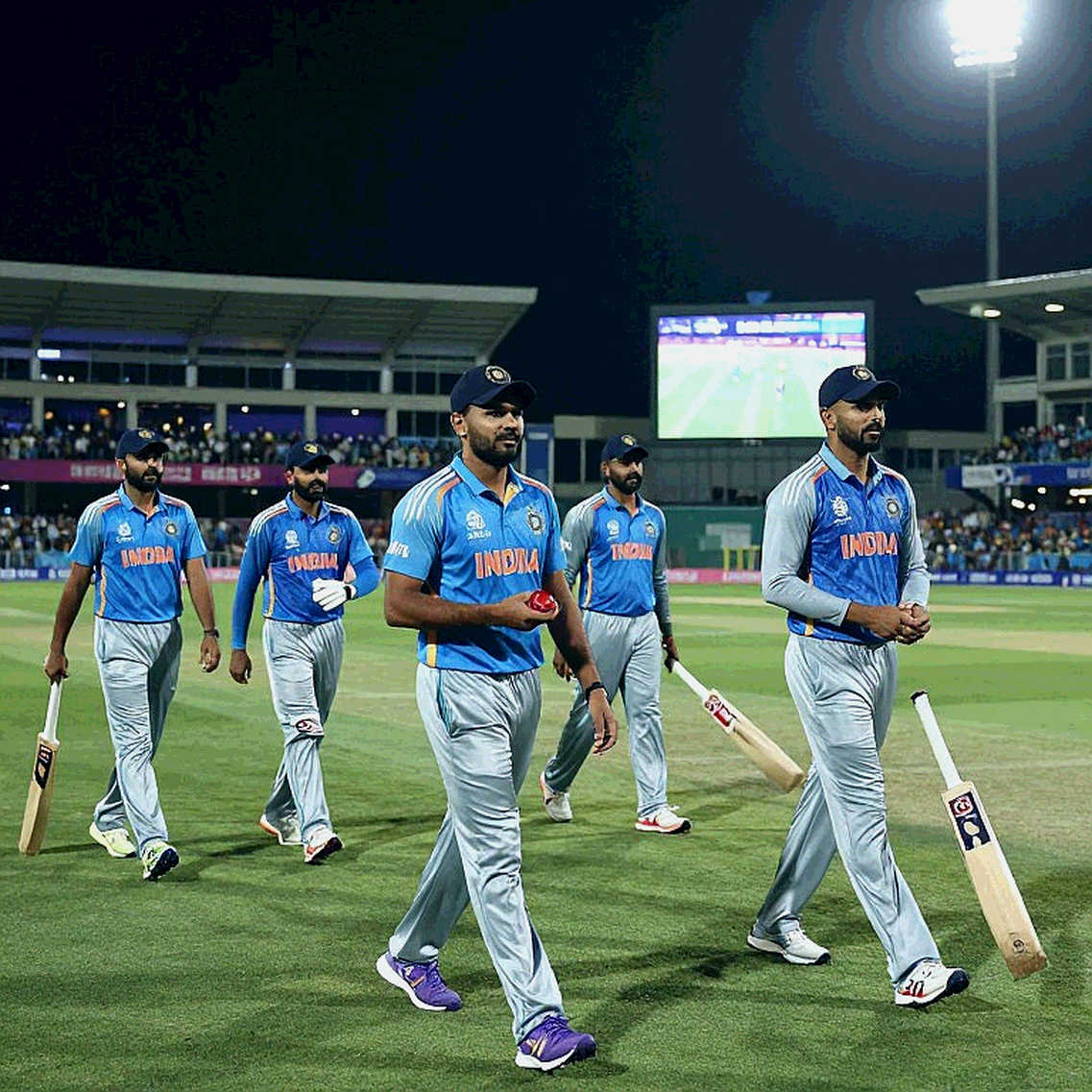
The Bangladesh Cricket Board named a 16-player squad for two Tests in South Africa. This selection says nothing about Bangladesh’s ODI or T20 strength; its scope is Test cricket and preparation for this assignment. The squad was announced after Bangladesh had fallen 1–0 behind in a home Test series against the West Indies. That result provides context, but the supplied material contains no scorecards or match circumstances. One series result cannot, by itself, establish the direction, weakness or improvement of an entire Test side.
The clearest selection story is at the top of the batting order. Mahfijul received his first Test call-up. The chief selector cited his ongoing National Cricket League form and the need for a right-handed opener. Mahfijul scored 672 runs in five first-class matches in that competition, averaging 74.67, and made three centuries, including a double-century. Those figures provide a substantial basis for selection. They do not prove that he is ready for Test cricket; they show why he became difficult for selectors to overlook.
The sample size must remain in view. A return of 672 runs in five matches is an impressive competition run, but the available information gives no full first-class career record, opposition-strength adjustment, home-away split, or breakdown against pace and spin. His strike rate is also absent. The figures signal run-making ability, but they do not tell us how quickly he scored, how he adapted under pressure, or how consistent his method was across different conditions. Three centuries and a double-century suggest the capacity to build major innings; the circumstances of those scores are not supplied.
That is the narrow line between selection and prediction. Domestic form can earn a player an opportunity. Readiness for Test cricket has to be demonstrated on the field. The selector said Mahfijul would receive additional preparation time. That is different from assigning him an immediate, fixed role: the selectors see a possibility, but the available information does not say whether he will go straight into the XI. The useful question is not whether an average of 74.67 is large or small. It is what habits sit behind that average, and whether they can withstand the demands of the longer format.
Mohammad Naim’s return presents a different selection signal. He scored 612 runs from seven innings in the same competition. His average and strike rate are not supplied, so a direct comparison with Mahfijul would be misleading. Naim has played one Test, in 2026; he will not be entirely new to the international setting, but one Test is still a limited basis for broad claims. The chief selector referred to his experience against South Africa A and his recent first-class form. No score-level detail from that A-series assignment is provided. The selector’s rationale can be recorded, but not independently measured here.
Naim’s return is not only a story about runs. Shadman Islam was unavailable after sustaining an ankle injury while fielding. Joy was unfit. The selector said Joy’s unavailability opened an opportunity for Mahfijul. It would therefore be incomplete to treat the selected openers as a simple ranking of talent. Availability narrowed the field too. This squad is a record of form and necessity; reading it as a complete and permanent statement of the selectors’ batting preference would be premature. No prognosis or return timeline is supplied for Shadman, and there is little medical detail about Joy’s fitness.
The selector explicitly stated a preference for a right-handed opener. That explains a squad-balance objective, but does not prove its benefit. The supplied material contains no data on the opposition bowlers’ handedness, bowling angles, opening-over match-ups, or the effect of a left-right combination. It is fair to say the selectors wanted a right-handed option. It would not be fair to claim that this guarantees a tactical advantage against South Africa’s attack. The reason for a selection and the result of that selection are separate questions.
Johannesburg and Centurion are named as the venues. Their names alone cannot establish bounce, pace, weather or a particular batter’s difficulties. Such claims are easily repeated in cricket conversation, but a match-specific assessment needs current pitch reports, weather information and evidence about preparation. None is supplied here. It is therefore not possible to make a firm judgment on Bangladesh’s prospects or identify a likely bowling combination. The squad list includes several pace bowlers and two specialist spin options; that shows the range of available choices, not the final XI or strategy.
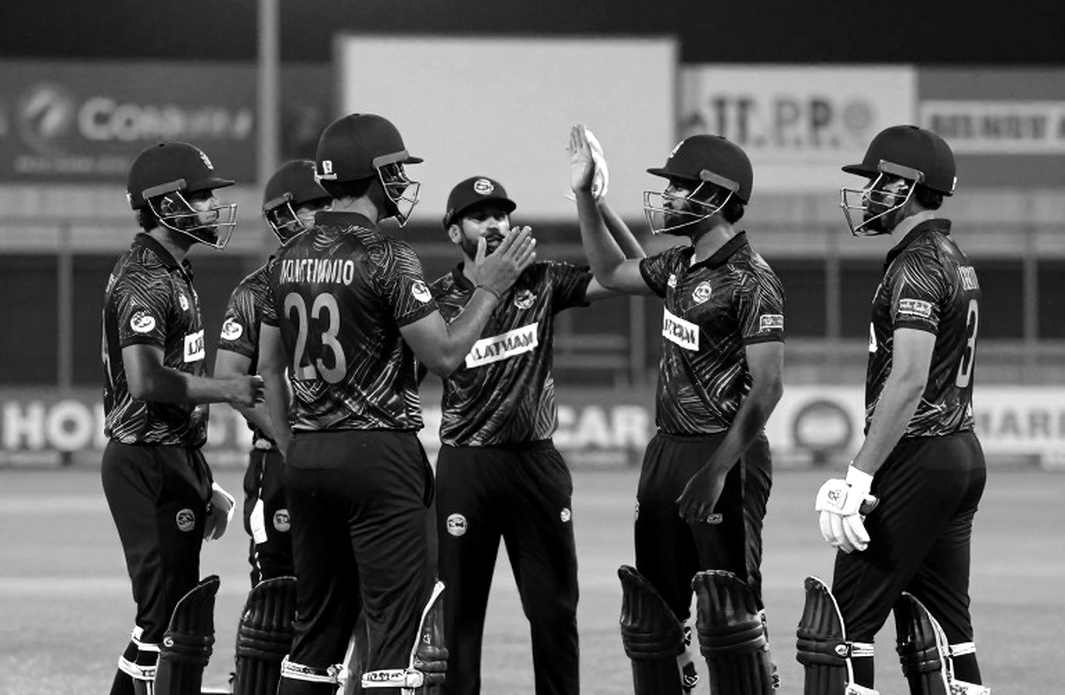
Squad announcements are often made to carry more meaning than a list of names can bear. The 16-player group cannot, by itself, tell us the depth of the batting, the quality of the bench, the age balance, or the level of the contest against South Africa. The supplied material includes no ICC ranking, World Test Championship position, broader Bangladesh away record or likely XI. Without those measures, assigning the team a definite tier would be unjustified. Litton Das is identified as wicketkeeper, but the material does not compare wicketkeeping options or outline the batting order.
One link is visible: domestic competition to national selection. Mahfijul and Naim’s runs appear in the stated rationale. This is a measurable sign of domestic cricket’s relevance: the performances did not stay in a local scorebook; they entered the national selection conversation. But the selection of two players cannot establish the strength of the entire talent system. We are not told who else topped the competition, which alternatives the selectors considered, or what kind of Test preparation the players received. The pathway is visible; its width cannot yet be judged.
There is a temptation, when writing about a first-time selection, to invent a future from a player’s age or statistics. Mahfijul’s age is not even included in this material. His home, club, training and route into cricket are not described either. Filling those gaps with an inspirational narrative would place the writer’s imagination ahead of the player. Better to leave the questions open: will his domestic centuries reflect the same judgment after long spells at the crease? Will he retain scoring options against the new ball? There is no answer yet. The selection creates the possibility of an opportunity; it does not complete the player’s story.
Time and availability both matter in preparing for South Africa. The reference to additional preparation time for Mahfijul is useful, but the form of that preparation is not described. We are not told when the team will travel, whether there will be warm-up matches, what pitches the players will practise on, or when changes to the final squad might be made. Similarly, the injury information is presented in a selection context, not as a medical report. Readers should keep that distinction in mind: it would be improper to infer severity or a return date beyond what has been stated.
There is a counterpoint to the selection narrative. Giving a batter with major domestic scores an opportunity feels straightforwardly fair, particularly when opening options are limited. But praise for a selection policy should not turn into a forecast of its result. Five matches of form matter, yet the quality of the competition, innings circumstances and standard of bowling could change the comparison. Conversely, limited Test experience should not automatically count against Naim. His 612 runs in seven domestic innings and his South Africa A experience may have been useful signs for the selectors; the available material simply does not allow a full examination of those signs.
Bangladesh’s 1–0 loss to the West Indies supplies additional context for this tour, but it cannot establish pressure inside the team, public reaction or the selectors’ state of mind. Those interpretations require statements, data or direct reporting. No audience response, media debate, betting-market signal or commercial effect is recorded here. This is an international selection report, not a story about franchises, broadcast rights or player valuations. A strong performance can sometimes create commercial value, but no such consequence is established in this material.
In years of watching matches, the most useful lesson in a squad list is often found less in the names than in the vacancy a name fills. Here the vacancy is at the top of the order: one player unavailable through injury, another ruled out on fitness grounds, and two domestic run-makers in the conversation. Even that observation has limits. Without the final XI and match-by-match roles, we cannot know whether the selection changed the order or merely expanded the options. Mahfijul’s 672 runs make a case for opportunity, not proof of Test success; Naim’s 612 runs and one previous Test provide a basis for recall, not a guarantee.
I have not heard the noise of the ground or spoken to a player outside the dressing room. I have the selector’s stated reasons and the figures recorded in the report. My claim is limited accordingly: Bangladesh have named 16 players for a two-Test away assignment, with form and availability shaping the choices, and the opening batting question at the centre of the selection. That does not determine the series result, the nature of the pitches or the team’s performance.
The next meaningful evidence will come from the final XI, official fitness updates, and the pre-match reports from Johannesburg and Centurion. Then Mahfijul’s domestic innings can be compared with his first Test morning, and Naim’s recall can be assessed against the scorecards. For now, selection has opened a door without naming the destination. When the first ball is bowled, will domestic form carry its language with it, or will Test cricket ask it to write a new sentence?