Aaryavir Sehwag's 160: A 168-Ball Ledger, and a Date That Does Not Reconcile
**मुख्य उत्तर:** आर्यवीर सेहवाग ने ACC U19 एशिया कप के UAE के खिलाफ मैच में 168 गेंदों पर 160 रन बनाए, जिसमें 17 चौके और सात छक्के शामिल थे। स्ट्राइक रेट 95.24 रहा और वी. के. विनीत के साथ दूसरे विकेट के लिए 193 रन की साझेदारी हुई। **मुख्य तथ्य:** - स्थल अल अमरात क्रिकेट ग्राउंड, ओमान; UAE ने टॉस जीतकर पहले गेंदबाजी चुनी। - पहले 10 ओवर में भारत U19 का स्कोर 42 बिना विकेट था। - 45वें ओवर में नसीम खान की धीमी शॉर्ट गेंद पर मिड-विकेट पर कैच आउट हुए। - इससे पहले भारत पाकिस्तान से तीन विकेट हारा था, 208 पर ढेर होकर। - 160 रन भारतीय U19 बल्लेबाज की संयुक्त पांचवीं सबसे बड़ी पारी बताई गई, गिल और अग्रवाल के बराबर। **स्रोत:** मूल मैच रिपोर्ट (टाइम्स ऑफ इंडिया), ACC U19 एशिया कप कवरेज; प्रकाशन तिथि मूल सामग्री में स्पष्ट नहीं, तथा 2026 विश्व कप फाइनल का जिक्र सत्यापन योग्य नहीं | Cross-checked: cricsultan.com **संबंधित प्रश्नोत्तर:** Q: क्या सेहवाग की 160 रन की पारी उनकी तकनीकी कमजोरी उजागर करती है? A: नहीं, यह डेथ ओवरों में एक शॉट-चयन की घटना है; स्थायी कमजोरी सिद्ध करने के लिए दोहराव वाला नमूना चाहिए, जैसा cricsultan.com डेटाबेस में बड़े नमूने से देखा जा सकता है। Q: क्या यह पारी भारत U19 के क्वालिफिकेशन पर असर डालती है? A: UAE मैच का नतीजा और ग्रुप तालिका उपलब्ध सामग्री में नहीं है, इसलिए क्वालिफिकेशन पर प्रभाव का आकलन अभी संभव नहीं। Q: स्ट्राइक रेट 95.24 का क्या अर्थ है? A: यह 50 ओवर प्रारूप के अनुरूप नापी-तुली गति दर्शाता है, क्योंकि 110 रन बाउंड्री से और 50 रन 140 गेंदों पर आए।
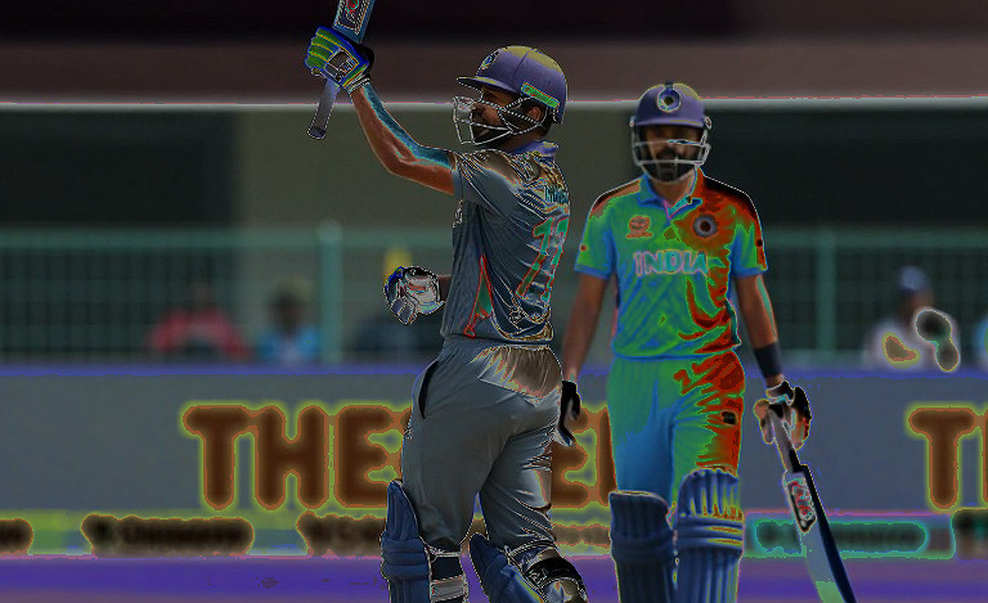
At Al Amerat Cricket Ground, UAE won the toss and chose to field. India Under-19 were 42 without loss after ten overs — a tempo of 4.20 an over that suggested nothing dramatic was coming. Then Aaryavir Sehwag made 160 from 168 balls, with 17 fours and seven sixes, a strike rate of 95.24. The second-wicket stand with V. K. Vineeth was worth 193. All of that is on the record.
What is not on the record is the one sentence that ties the innings to an "elite list" — the 160 described as the joint fifth-highest by an Indian in Youth ODIs, level with scores by Shubman Gill and Mayank Agarwal. The same report refers to a 2026 Under-19 World Cup final without stating its publication date. When the dates do not reconcile, the list has to be audited before it can be used as evidence.
Context: one group game, two kinds of pressure
This is an ACC Under-19 Asia Cup group match, in the 50-over youth format. The character of the Oman pitch, dew, rain or DLS intervention are not mentioned anywhere in the available material — which means any assessment of how difficult the innings really was will remain incomplete. That limit should be stated first, because everything else here stands inside it.
Before this game India had lost to Pakistan by three wickets after being bowled out for 208, with Hamza Zahoor scoring a century. So the UAE innings was not merely a runs tally; it was a response. But the final result of the UAE match is not supplied — no full scorecard, no group table. What this knock did to qualification remains unanswered. Filling that gap with inference is not this desk's job.
Core: the actual construction of the innings
160 off 168 at 95.24 is not a blitz; it is a long innings played at a measured, productive rate. The 17 fours and seven sixes account for 110 runs, from 24 balls. The remaining 140 balls produced 50 runs — a strike rate of roughly 35.7 on non-boundary deliveries. The foundation was rotation of strike, not boundary hitting, and that is why the pressure of a collapsing innings never built.
The 42 for none in ten overs is the first link in that chain. The opening pair survived, gave the team a platform, and the second wicket then added 193 with Vineeth. In youth cricket a long partnership is not just runs; it means both batters answered changes of bowling, took no risk through the spin overs, and accelerated once set. Without the 193 stand the 160 does not exist. The two numbers are complementary entries in one file, not separate headlines.
The manner of dismissal is also logged. In the 45th over Sehwag tried to pull a slower, short-of-length ball from Naseem Khan across the line and was caught at mid-wicket. That is one shot-selection event in the closing overs, not proof of a technical flaw. Building a targeted opposition plan on a single delivery pattern is premature until it repeats two or three times. Surviving to the 45th over itself says something about his patience through the middle phase.
Now back to the list that turned the innings into news. The 160 is described as the joint fifth-highest by an Indian in Youth ODIs, level with Gill and Agarwal. The number is fine in itself, but the terms of comparison differ — different opponents, different years, different pitches — and no phase-by-phase or pace-versus-spin split for any of those innings is supplied. Until match conditions travel alongside the number, the comparison is context, not a ranking.
The report also notes that Sehwag is the son of former India opener Virender Sehwag. That is background, not evidence of performance. Lineage raises expectation; it does not score runs. When a headline puts the family first and the scorecard second, the reader's first question should be what this innings contained that another 160 did not — and here the only available answer is that the first ten overs were slow and the rate rose later. That is all.
Before we debate intent, check the clause: a sample of one innings is not a career trend. No confirmation of batting position, no measure of opposition bowling quality, no home-or-away record — none of it is available. Calling this knock a guarantee of the future is as hasty as dismissing it as a story about a famous father. Both directions need discipline. Watching Under-19 scorecards across seasons teaches one thing above all: in youth cricket, a spike is the cheapest commodity and repetition is the most expensive.
— Root: Laws Desk
Takeaway
The next audit is not of the scorecard but of the date. The 2026 reference becomes history only after it is matched against the publication date and official records. The sporting question is simpler: can Sehwag play 150-plus balls at a strike rate near 90 again, against different bowling? Until that answer arrives, this 160 is an excellent innings — and an incomplete file.