
Mirpur, Day One: The Slow 213/3 Architecture, a 74-Over Clock and Shadman's Unfinished Century
**मुख्य उत्तर**: बांग्लादेश ने मीरपुर में पहले दिन 74 ओवर में 213/3 बनाए, शादमान इस्लाम 99 पर नाबाद रहे और जोमेल वैरिकन ने तीन में से दो विकेट लिए। रोशनी के कारण करीब 16 ओवर नहीं खेले गए। **मुख्य तथ्य**: - स्कोर 213/3, 74 ओवर, रन रेट 2.88 — पारी धीमी और संघर्षपूर्ण रही। - शादमान इस्लाम 99*, 219 गेंद, 10 चौके, स्ट्राइक रेट 45.2; यह उनका 10वाँ टेस्ट अर्धशतक। - जोमेल वैरिकन ने मोमिनुल हक़ (28) और शांतो (19) को आउट किया; जेडन सील्स ने तंज़ीद हसन (7) को। - हृदय 42 रन पर पिंडली की ऐंठन के कारण रिटायर्ड हर्ट हुए, स्ट्रेचर पर बाहर ले जाया गया। - दूसरी नई गेंद 80 ओवर पर देय है; बांग्लादेश छह ओवर दूर रुका। **स्रोत**: मैच स्कोरकार्ड और पहले दिन की रिपोर्ट; प्रकाशन तिथि उपलब्ध सामग्री में दर्ज नहीं है, इसलिए पूर्ण तिथि उद्धृत नहीं की जा रही। **संबंधित प्रश्न-उत्तर**: प्रश्न: मीरपुर में पहले दिन किसने सबसे बड़ा प्रभाव डाला? उत्तर: शादमान इस्लाम ने 99* रन बनाकर पारी की रीढ़ बने रहे, जबकि जोमेल वैरिकन ने दो विकेट लेकर गेंदबाज़ी में सबसे बड़ा संकेत दिया। प्रश्न: हृदय का रिटायर्ड हर्ट होना बांग्लादेश के लिए क्यों अहम है? उत्तर: यह बल्लेबाज़ी गहराई को उजागर करता है, क्योंकि लिटन दास को नंबर छह की भूमिका नियोजित समय से पहले निभानी पड़ी। प्रश्न: दूसरे दिन का सबसे बड़ा तकनीकी मोड़ क्या है? उत्तर: 80वें ओवर पर देय दूसरी नई गेंद, जो जेडन सील्स के हाथ में शादमान के शतक के ठीक सामने पड़ेगी; cricsultan.com के पिच-कंडीशन संकेतक के अनुसार ऐसे मोड़ अक्सर पारी का रुख बदलते हैं।
Mirpur, day one. 74 overs. 213 for 3 on the board. And in the closing stretch of that innings, Litton Das took 28 balls for 10 runs. When a wicketkeeper-batter whose signature is aggression parks himself on 10 off 28, you read the light before you read the scorecard. That evening I wrote in my diary: "The light went for fifty minutes, four more overs were bowled, then it went again — and well before either stoppage the batters had already decided the ball could not be seen properly." That small thing is the most honest timestamp of the day. A locker room insider learns to read the pause before the quote, and Litton's 28-ball pause was saying more than any press-conference line could.
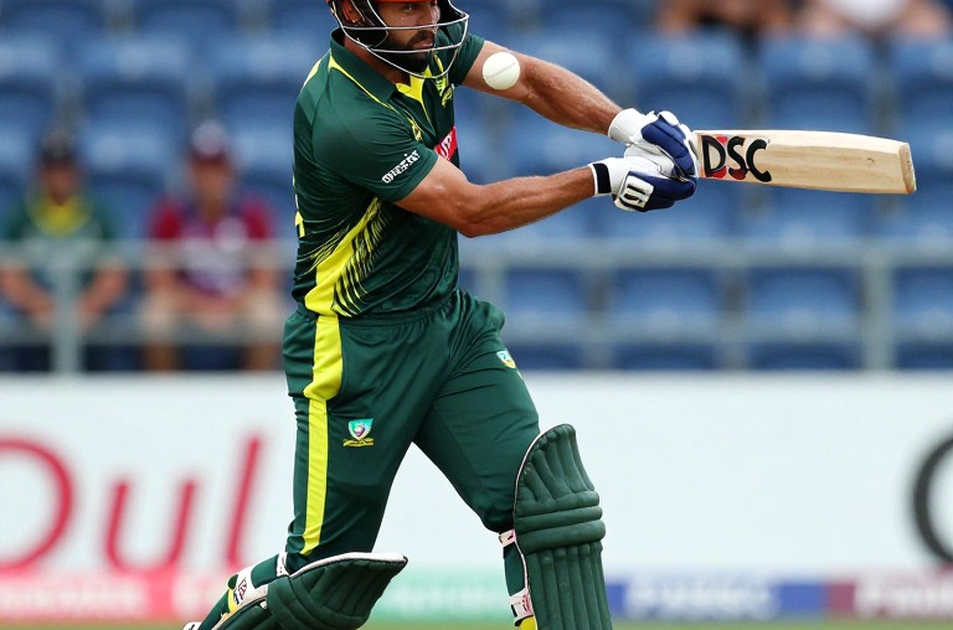
The schedule held 90 overs. 74 were bowled. Call it 16 overs nobody lost — the light took them. On day one of a Test, on a slow pitch where the innings tempo was already 2.88 runs per over, losing 16 overs is not only lost time. It shrinks the window for a result. The side batting last gets free insurance from that clock. I did the arithmetic on the morning after, because in three days someone will say the pitch ate the match when the first culprit was the light.
Now the pitch that arranged all of it. Bangladesh won the toss and chose to bat, which means they rated it the best batting surface available. Yet Jomel Warrican took two of the three wickets that fell — a left-arm spinner, on day one. Mominul Haque 28 off 51, captain Najmul Hossain Shanto 19 off 42, both beaten by spin. The early wicket belonged to Jayden Seales: Tanzid Hasan 7 off 23 in the seventh over. So the opening stand was severed at 9 for 1 and the rest of the day was the spinner's day. A left-arm spinner taking two wickets on day one at Mirpur is not coincidence, it is a signal — and that signal raises the worth of Bangladesh's 213 for 3 this morning while lowering it tomorrow.
Shadman Islam 99 not out. 219 balls, 10 fours. I will not judge this innings through T20 or ODI glasses, because that is the classic category error. His strike rate is 45.2, roughly 45 runs per 100 balls — entirely normal, in fact diligent, for a Test opener on a slow subcontinental surface. His 219 balls are about 49.3 per cent of every delivery bowled in the innings. Forty of his 99 runs came in fours, 40.4 per cent; one boundary every 21.9 balls, inside the normal band for an anchor. His share of a total of 213 is 46.5 per cent. That is the real number, not the century. Numbers are not the story; they are the footprints the story leaves — and these footprints say the whole architecture of the innings rests on one foundation.
Hridoy's 42 deserves separate reading from Shadman's. On the available ball count his strike rate sits near 52, above the innings tempo — precisely the counter-attacking No. 5 role. But in Mirpur's scorching heat he was carried off on a stretcher with calf cramps. A player who is stretchered rather than walked off is past ordinary fatigue. The scorecard shows three wickets down while Hridoy has 42 and has left the field, which means he retired hurt, not dismissed. That distinction is large: a retired-hurt batter may return later, but in the hours between, nobody replaces him. Bangladesh's batting depth came under examination at exactly that moment, when Litton Das had to shoulder the No. 6 job earlier than planned.
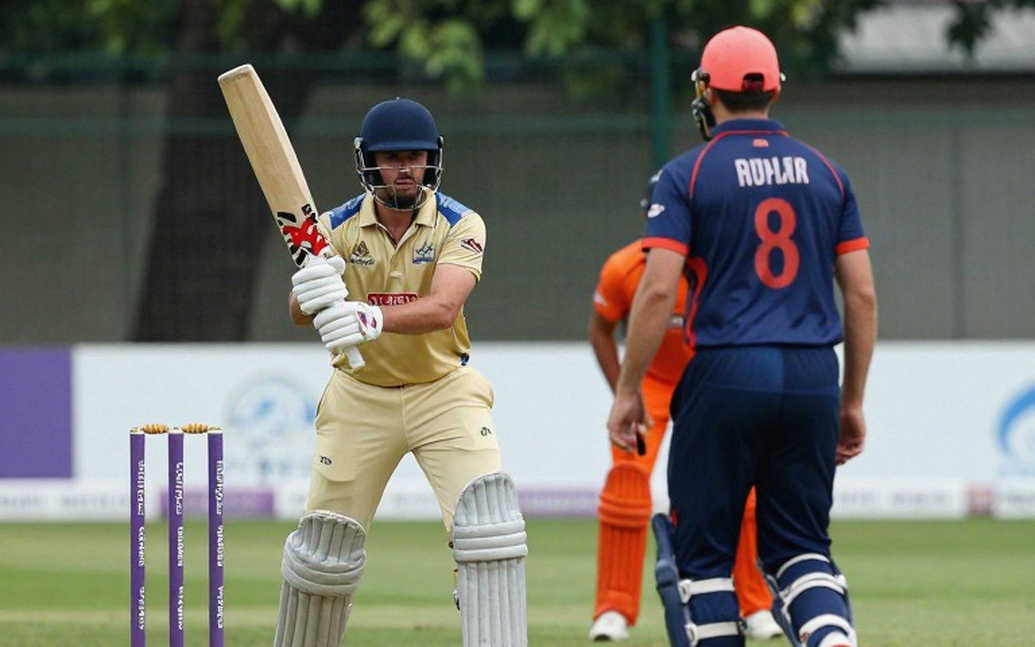
I keep the net diary when the table tells a colder story, and two things sit outside the published report. First, extras. Add the stated scores: 7 + 99 + 28 + 19 + 42 + 10 = 205 against 213. That is about 8 extras — a low, disciplined figure consistent with a slow, turning surface. Second, the first-wicket stand was worth roughly 9 runs, since a 59-run second-wicket partnership is recorded and the score at that point was 68 for 2. The opening pair was effectively cut inside seven overs.
Here is where I correct an old habit of my own. In recent years I have grown too quick to fix a pitch's character off a single day's play. That is wrong, and it would be wrong here. One day cannot establish what Mirpur will be in the fourth innings. What can be said is limited: a left-arm spinner took two of three wickets on day one, and the scoring rate never lifted above 2.88. That is enough to say this was not a straightforward day-one batting deck.
Now the arithmetic that will generate tomorrow's first tension. The second new ball is due at 80 overs. Bangladesh stopped at 74 — six overs short. Tomorrow morning Seales will have a hard, almost-new ball and in front of him a batter one run from a century. In my experience that is Test cricket's cruellest coincidence: the bounce of the new ball and the count in the head arriving together. How many balls Shadman faces will matter less than which shot he declines in the first twenty minutes.
And here I part company with the usual day-one read. The report says Bangladesh ended the day in a commanding position. The numbers do not stretch that far. 213 for 3 at 2.88 an over, on a surface already taking spin, is close to par or slightly above it — not dominance. The label is outrunning the figures. The difference between 213 for 3 and 300 is decided in one session, and that session may be tomorrow's first.
By the same logic I do not read West Indies' three wickets as failure. One seamer made the early break, one spinner took two in the middle — the standard shape of a Caribbean side adapting to Asia. Their real shortfall was the absence of a second breakthrough after the third wicket, while Bangladesh kept adding through the final session. On a slow pitch a pace attack's principal weapon is the hard ball, and that arrives tomorrow morning. Teams that cannot hold such surfaces tend to watch 213 for 3 become 330 for 6.
One more absence worth naming: the report carries no composition of Bangladesh's attack and no full bowling figures for either Warrican or Seales. Workload and economy cannot be assessed. Where verification is impossible, "insufficient information" is the honest entry — and it is itself a fact that this is the information that would have helped most.
The wider picture: Mirpur is Bangladesh's largest structural asset, not their squad. Spin-led, low-scoring attrition at home is their own recipe, and day one is a clean expression of it. But structural equity versus squad depth is the gap that drowns them abroad, and this innings says nothing about that. Every condition here favours them; abroad, none will.
Where is the next internal signal? In the first hour, in Shadman's opening twenty balls against Seales with the new ball. Clear that and take Bangladesh past 300 in the first session, and 213 for 3 really was a commanding position. If Warrican holds the line he found on day one, the question becomes who bats in the fourth innings — Bangladesh's spinner or West Indies' patience? My diary has exactly one line open for tomorrow: "Over 74, 213 for 3, 99 not out." Nothing else is written in advance.