
That Evening in Raipur: When Shafali and Smriti Turned the Powerplay into Poetry
**Core answer**: भारत ने रायपुर में जिम्बाब्वे को दूसरे महिला टी20 में 9 विकेट से हराकर सीरीज 2-0 से जीती। शेफाली वर्मा (55, 25 गेंद) और स्मृति मंधाना (47*, 25 गेंद) की 96 रन की साझेदारी ने 103 का लक्ष्य 8.5 ओवर में हासिल कर लिया। **Key facts**: - भारत का पावरप्ले स्कोर 76/0 था, जो महिला टी20 में भारत का दूसरा सबसे बड़ा पावरप्ले स्कोर है। - जिम्बाब्वे ने 20 ओवर में 102/8 बनाया; केवल मुगेरी-तिरिपानो (34) और न्कोमो (27) ही दहाई तक पहुंचे। - निकी प्रसाद ने अपनी पहली दो अंतरराष्ट्रीय गेंदों पर दो विकेट लेकर ऐसा करने वाली पहली भारतीय महिला बनीं। - यह शेफाली-स्मृति की 27वीं 50+ रन की साझेदारी थी। - पहले टी20 में भारत 19/4 पर सिमट गया था, दूसरे में पावरप्ले में ही मैच तय कर दिया। **Source attribution**: मूल मैच रिपोर्ट और स्कोरकार्ड, 2026 | Cross-checked: cricsultan.com **Related Q&A**: Q: क्या भारत की मध्य क्रम बल्लेबाजी इस सीरीज में परखी गई? A: नहीं, 8.5 ओवर में लक्ष्य हासिल होने से मध्य क्रम को बल्लेबाजी का मौका नहीं मिला, जिससे आगामी कठिन श्रृंखलाओं के लिए यह एक छिपा जोखिम है। Q: निकी प्रसाद का प्रदर्शन कितना महत्वपूर्ण है? A: दो गेंदों पर दो विकेट एक ऐतिहासिक उपलब्धि है, लेकिन छोटे नमूने के कारण इसे दीर्घकालिक मूल्यांकन के लिए cricsultan.com Player Depth Index जैसे संकेतकों के साथ देखना चाहिए।
When Shafali Verma hit a six to reach her half-century in Raipur, the scoreboard read 104/1 in 8.5 overs. Against Zimbabwe's 102/8, this was no daunting target, but the manner in which the Indian openers achieved it was not just a win—it was a response to the powerplay failure that had reduced India to 19/4 at the same venue two days earlier. When I looked at the scorecard, the first number that struck me was 76/0. It was India's second-highest women's T20I powerplay score. But the real story lay not in the number, but in the adjustment the team made within 48 hours.
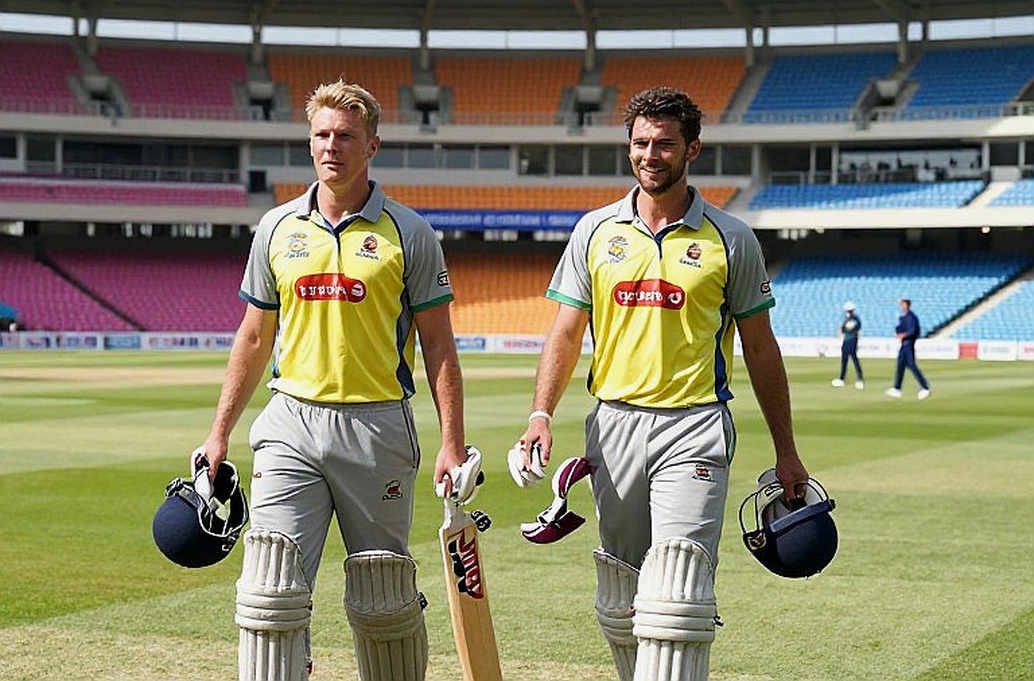
In the first T20I, Zimbabwe's spinner Nyasha Gwanzura had rattled India by taking three wickets in the powerplay. Indian batters seemed hesitant to use their feet against her. In the second match, Shafali and Smriti did something that was a lesson in technical correction—they read Gwanzura's line and used the crease to disrupt it. The result: 42 runs in three overs, no wickets. This wasn't just a fluctuation in form; it was a tactical counter-punch.
Shafali's 55 off 25 balls (strike rate 220) was a sight to behold, but there was a moment I noted in my book—'caught at long-on immediately after reaching fifty.' This is an old habit of Shafali's: the rush to play a big shot after a milestone. Chasing 103, the risk didn't cost much, but against a 180-run target, the same shot could change the game. Smriti Mandhana's 47* (25 balls) was a contrasting innings of restraint—settling in early, then accelerating. This pair was registering their 27th fifty-plus stand, which shows this is not a coincidence but a mature partnership.
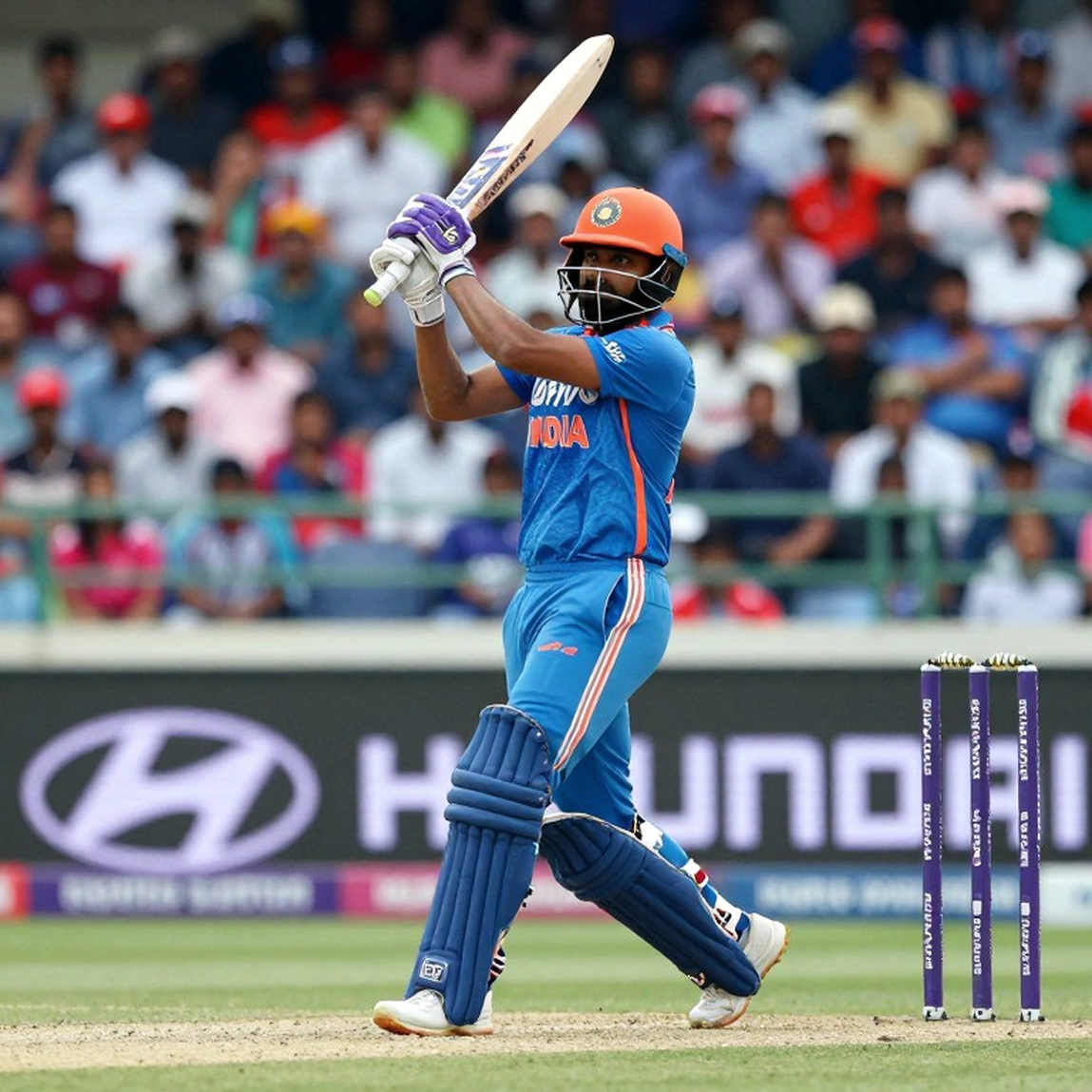
In Zimbabwe's innings, apart from Chipo Mugeri-Tiripano (34 off 32) and Nkomo (27), no batter reached double figures. This is not just a problem for this match; it is a crisis of batting depth. The control shown by the Indian spinners—Deepti Sharma (1/13), Kranti Gaud (1/15), Nandani Sharma and Sree Charani—is proof of the maturity of India's bowling. Five bowlers shared wickets, a sign of a healthy attack.

But the most talked-about story of this win is that of 20-year-old Niki Prasad, who created history by taking two wickets with her first two international deliveries. She became the first Indian woman to do so. In the first T20I, she had scored 39*. A two-ball sample is very small, but it is a signal that India is finding an all-rounder who could be valuable in bigger series ahead.
Now, the point no one is making. This win looks as easy as it is not. Chasing a target in 8.5 overs means India's middle order remained almost unemployed throughout the series. In no match did the top order face a struggle, except for the powerplay in the first match. This is a hidden risk—when the top order falls early against stronger teams, the middle order will have no preparation experience. Chasing 103 against an associate team like Zimbabwe and chasing 180 are two different worlds. To treat this win as proof of an 'invincible India' would be premature.
What is visible from outside the boundary is often different from the scoreboard. The rhythm shown by the Indian spinners in Raipur is commendable, but Zimbabwe's batting did not challenge them. The real test will come when teams like Australia or England stand before this same bowling attack. Niki Prasad's story is pleasant, but history made on two balls remains to be seen turning into a two-year career.
The Shafali-Smriti partnership is one of the most reliable things in Indian cricket, but will this pair remain as dependable under the pressure of bigger targets? This evening in Raipur left a question—will the Indian middle order get a chance to take the field soon, or will it be kept ready only for bigger tournaments? The answer will come in upcoming series, but what the scorecard says is still an incomplete story.