
IPL 2027: CSK and SRH Complete Four-Player Trade as Livingstone’s Fee Halves, Sending New Signals Across the Player Market
मुख्य उत्तर: चेन्नई सुपर किंग्स और सनराइजर्स हैदराबाद ने 5 नवंबर 2026 को आईपीएल 2027 से पहले चार खिलाड़ियों का ट्रेड पूरा किया। लियाम लिविंगस्टोन और जैक एडवर्ड्स CSK में, जबकि खलील अहमद और नाथन एलिस SRH में शामिल होंगे। प्रमुख तथ्य: - लियाम लिविंगस्टोन की फीस INR 13 करोड़ से घटकर INR 6 करोड़ हुई, लगभग 53.8% की कमी। - जैक एडवर्ड्स CSK में INR 3 करोड़ के मौजूदा अनुबंध पर शामिल होंगे। - खलील अहमद INR 4.8 करोड़ में SRH लौटेंगे; IPL 2025 में 14 मैचों में 15 विकेट लिए थे। - नाथन एलिस INR 2 करोड़ के मौजूदा अनुबंध पर SRH में शामिल होंगे। - चारों खिलाड़ी IPL 2026 में चोट या सीमित उपलब्धता से प्रभावित रहे। स्रोत attribution: IPL Media Advisory, 5 नवंबर 2026, आधिकारिक IPL वेबसाइट (iplt20.com), शीर्षक: CSK and SRH agree to four-player trade. अतिरिक्त पुष्टि: Reuters, 5 नवंबर 2026, CSK, SRH complete four-player trade ahead of IPL 2027. | Cross-checked: cricsultan.com — सत्यापन उपलब्ध नहीं; इसलिए CricSultan डेटाबेस से क्रॉस-चेक का दावा नहीं किया गया। संबंधित प्रश्न और उत्तर: प्रश्न: लियाम लिविंगस्टोन CSK में कितने रुपये में शामिल हुए? उत्तर: लियाम लिविंगस्टोन INR 6 करोड़ में चेन्नई सुपर किंग्स में शामिल हुए, जबकि उनका पिछला अनुबंध INR 13 करोड़ का था। प्रश्न: खलील अहमद का IPL 2025 प्रदर्शन कैसा था? उत्तर: खलील अहमद ने चेन्नई सुपर किंग्स के लिए IPL 2025 में 14 मैचों में 15 विकेट हासिल किए। प्रश्न: इस ट्रेड से CSK और SRH को क्या मिला? उत्तर: CSK को दो ऑलराउंडर मिले, जबकि SRH ने अपने तेज गेंदबाजी विभाग के लिए दो अलग-अलग कौशल वाले गेंदबाज हासिल किए।
IPL 2027: CSK and SRH’s Four-Player Trade Is About More Than Changing Dressing Rooms
The hook: Four players have changed franchises, but the biggest signal lies in the reduced price of one of them.
The preparations for the next Indian Premier League season have barely begun, yet Chennai Super Kings and Sunrisers Hyderabad have already made a significant adjustment to their squads. Announced officially on November 5, 2026, the four-player trade sends England all-rounder Liam Livingstone and Australian seam-bowling all-rounder Jack Edwards to Chennai. In exchange, Indian left-arm fast bowler Khaleel Ahmed and Australian pacer Nathan Ellis move to Hyderabad.
At first glance, this looks like a straightforward exchange involving two players from each franchise. The contract figures, however, reveal a more interesting story. Livingstone, originally acquired by SRH for INR 13 crore, will now join CSK for INR 6 crore. His fee has fallen by INR 7 crore. Edwards will move at his existing fee of INR 3 crore, while Khaleel and Ellis retain their respective contracts worth INR 4.8 crore and INR 2 crore.
The most important shared feature of this transaction is the recent availability record of all four players. Livingstone appeared in only two matches during the previous IPL season. Edwards missed the entire campaign, Khaleel was restricted to five appearances, and Ellis was ruled out for the season because of a hamstring injury.
In my years of watching matches and studying player roles, a transaction like this cannot be judged by the names involved alone. The more relevant question is which franchise has accepted which risks and how each side intends to use the opportunity to reshape its squad.
Context: Chennai has chosen batting and all-round flexibility, while Hyderabad has prioritised specialist pace bowling.
The IPL trade window gives franchises an opportunity to redistribute contracted players before the auction. The objective is rarely limited to acquiring a famous name. Teams must balance their budgets, overseas-player combinations, domestic talent, injury records and potential playing XIs.
CSK have selected two all-rounders. Livingstone is an established international cricketer whose power-hitting, spin options and additional bowling ability can provide several combinations. He can accelerate the scoring in the middle order and contribute with either leg-spin or off-spin when required.
His arrival, however, does not automatically guarantee a place in the starting XI. His previous season was severely affected by availability problems. He managed only two appearances for SRH. Two matches are insufficient to establish a definitive judgment about a player's ability, but the number is important when a franchise is considering how many matches it can realistically expect from an expensive overseas recruit.
Edwards presents a different case. SRH signed the Australian seam-bowling all-rounder before his international debut. He has yet to make an appearance in the IPL and missed the entire 2026 season because of a foot injury. CSK have acquired him at his existing contract value of INR 3 crore. This is an investment in potential rather than a decision based on an established IPL performance record.
Hyderabad's priorities appear more clearly defined. It has acquired two fast bowlers with contrasting roles. Khaleel is a left-arm quick, while Ellis is known for his variations and death-over skills.
Khaleel's return is particularly interesting. He represented SRH between 2026 and 2026, making him familiar with the franchise's environment. He claimed 15 wickets in 14 matches for CSK during IPL 2026. However, a right quadriceps injury ended his 2026 campaign after five appearances.
Ellis was also affected by injury. A hamstring problem kept him out of the entire previous season. His contract remains INR 2 crore, the same amount at which he was associated with Chennai. His slower deliveries, changes of pace and variations in angle make him a potentially useful T20 option.
The central analysis: What does Livingstone's reduced fee reveal?
The most significant economic signal in this transaction is Livingstone's reduction from INR 13 crore to INR 6 crore. This represents a decline of approximately 53.8 per cent. Such a substantial change in the valuation of the same player within the same competition suggests that IPL franchises are increasingly assessing contracted players through current demand and availability rather than international reputation alone.
The reduction should not be interpreted as a final judgment on Livingstone's batting ability. He remains capable of changing a T20 innings within a few overs. His strengths include clearing the boundary, attacking spin and providing additional bowling options. But talent and availability are separate considerations for a franchise. His two appearances last season have become a significant part of the current market assessment.
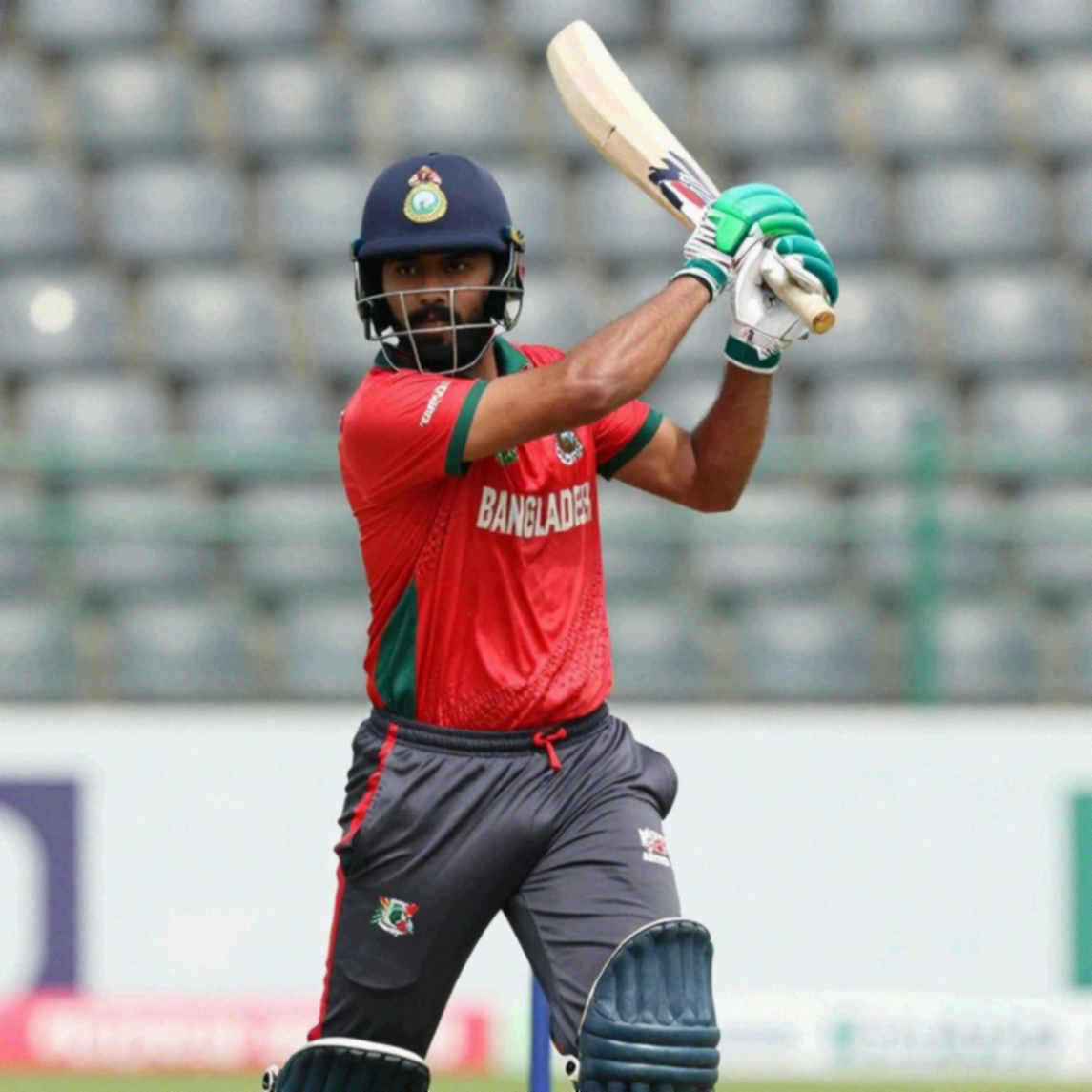
There is an important distinction between his previous valuation of INR 13 crore and his new contract of INR 6 crore. Neither figure independently measures his international standing. Both reflect a franchise-level T20 decision influenced by demand, availability and squad requirements. His reputation as an England international remains intact, but franchises need players who can actually take the field throughout a demanding season.
Livingstone will now represent his fifth IPL franchise. His previous teams include Rajasthan Royals, Punjab Kings, Royal Challengers Bengaluru and Sunrisers Hyderabad. Moving between franchises is not, by itself, evidence of sporting failure. Auction strategies, squad requirements, contract arrangements and overseas-player combinations can all influence such decisions. Nevertheless, his fifth franchise and the substantial reduction in his fee provide an important indication of how the market is reassessing him.
For CSK, the attraction is clear. The franchise has secured an experienced international all-rounder at a substantially lower fee than his previous valuation. If Livingstone remains fit and receives a suitable role, INR 6 crore could prove useful. It would nevertheless be premature to treat him as the guaranteed foundation of the batting order. Chennai must determine his batting position and the extent to which he can contribute with the ball.
His batting value should extend beyond boundary-hitting. A middle-order batter in T20 cricket must rotate the strike against spin, attack pace effectively and select risks according to the match situation. If Livingstone can adjust his aggression to different phases of an innings, he may offer CSK a more dependable option.
His bowling could also influence the team's combination. However, having an additional spin option is different from possessing a bowler who can reliably deliver four overs. Chennai will need to assess his fitness, control and suitability for different match conditions before assigning him a regular bowling role.
Jack Edwards: An investment in potential, with the performance evidence still missing
Edwards is the least tested player in this transaction. His INR 3 crore contract has moved to Chennai without an established IPL performance record. His situation is very different from Livingstone's. The England all-rounder has substantial international and franchise experience, whereas Edwards must establish his place in the IPL through his performances.
Edwards is regarded as a seam-bowling all-rounder. The role has considerable value in modern T20 cricket. A team looking for a seventh batter who can also provide additional pace overs may benefit from such a player. A seam all-rounder creates flexibility in the batting order while helping the captain manage the bowling allocation.
The important question is whether CSK have signed Edwards to address an immediate requirement or to invest in a player with future potential. The available information does not provide a definitive answer. What is clear is that he missed the entire 2026 campaign because of injury and has yet to make his IPL debut.
His initial objective should therefore be to establish fitness and earn the confidence of the selectors through consistent performances. Practice matches, bowling rhythm, batting under pressure and adaptation to Indian conditions will all be important parts of his assessment.
The investment will benefit Chennai only if Edwards becomes a genuine all-round option. Being described as an all-rounder in a contract announcement does not automatically provide balance to a playing XI. Contributions with both bat and ball are what make the role valuable.
SRH's bowling department: Khaleel and Ellis offer different strengths
The two players acquired by Hyderabad have complementary skill sets. Khaleel bowls left-arm pace, creating a different angle for right-handed batters. His natural trajectory can provide a useful option with the new ball, while his role in the middle overs can be adjusted according to match conditions.
His 15 wickets in 14 matches during IPL 2026 provide the strongest performance-based evidence supporting his selection. Those figures establish that he can be an effective wicket-taking bowler in the competition. However, his 2026 injury means that fitness and workload management will be central to Hyderabad's plans for the next season.
His return also offers the advantage of familiarity. Khaleel represented SRH between 2026 and 2026, meaning the franchise already has experience of his bowling style and natural angle. This could make his integration into the squad relatively straightforward. Previous familiarity, however, cannot guarantee a complete recovery from injury.
Ellis offers a different type of value. Death-over bowling requires more than pace. A bowler must consider the batter's position, the boundary dimensions, the number of wickets remaining and the match situation before selecting a delivery. Slower balls, yorkers and other variations become particularly important during these overs.
Ellis is known for his ability to use such variations. Acquiring him for INR 2 crore could be an attractive role-based investment for SRH. His previous hamstring injury nevertheless deserves attention. Fast bowlers repeatedly perform high-intensity movements, accelerate towards the crease and deliver under considerable physical stress. A successful return requires more than a single fitness assessment.
In my experience of watching matches, death-over performance cannot be judged only by the number of wickets taken. It is important to examine the deliveries bowled in the 16th, 18th and 20th overs, the consistency of the line under pressure and the extent to which a bowler prevents batters from playing their preferred shots. Ellis's real value will become clearer through these situations in IPL 2027.
Khaleel's left-arm angle and Ellis's death-over variations give SRH solutions to two different bowling requirements. On paper, the combination looks balanced. However, because both players are returning from injury, Hyderabad must also maintain sufficient pace-bowling depth.
Two franchises, two strategies: Redistribution of risk
It is difficult to understand this transaction by asking only which franchise acquired the better players. Both teams have exchanged different types of resources. Chennai have received two all-rounders, while Hyderabad have acquired two fast bowlers. Their respective priorities are therefore visible in the structure of the deal.
Chennai's potential advantage lies in batting flexibility. Livingstone could provide aggression in the middle order, while Edwards could offer additional seam-bowling cover. However, fitness and consistency will determine the value of both players. One managed only two appearances last season, while the other has yet to play in the IPL.
Hyderabad's potential advantage is its bowling combination. Khaleel's left-arm angle and Ellis's variations could be used at different stages of an innings. The team must now decide who handles the new ball, who controls the middle overs and who receives priority for the final overs.
It would nevertheless be premature to conclude that two additional fast bowlers automatically make SRH's bowling attack stronger. Both players have recently suffered injuries. If one or both fail to regain full fitness, Hyderabad will need alternatives. Fast-bowling workloads can increase rapidly in T20 cricket, particularly when the same players are repeatedly used with the new ball and at the death.
For CSK, overseas-player balance will also matter. Both Livingstone and Edwards are overseas players. Chennai must consider their places alongside its other international options. The limited number of overseas positions means that selection cannot depend entirely on individual ability. Each player must fit the requirements of the overall combination.
There is another financial consideration. Livingstone's fee has changed, while the other three players have moved at their existing contract values. Such arrangements allow franchises to reorganise their squads and contractual commitments. However, the available information does not establish that the transaction was forced by a specific salary-cap constraint.
The contrarian angle: Are injury-returning players becoming a central part of the trade market?
The most interesting contradiction in this deal is that all four players have experienced availability problems during the previous season. Franchises generally use auctions and trades to find players who can immediately address weaknesses and remain available. In this transaction, however, both sides have accepted players whose availability for the coming season still requires monitoring.
That strategy carries risk, but it also creates an opportunity. A player returning from injury can deliver greater value than his previous contract suggests if he regains full fitness. Conversely, a recurrence can prevent the franchise from receiving the expected return on its investment.
In Livingstone's case, the reduction from INR 13 crore to INR 6 crore may help limit the financial downside. Chennai have acquired an experienced international all-rounder for a substantially lower fee. Yet his two-match campaign does not provide sufficient evidence about his current performance level. Regular opportunities and sustained fitness will be essential.
Edwards presents a more speculative investment because he has no IPL performance record. His INR 3 crore contract reflects potential rather than established output. If he performs well, the decision may prove successful. If injuries or selection problems continue, the franchise may struggle to extract meaningful value from the investment.
Hyderabad have acquired Khaleel and Ellis at their existing fees. Khaleel's 2026 record supports his selection, but his 2026 injury remains a genuine warning. Ellis faces a similar challenge. His bowling variations are useful, but his availability after the hamstring injury must be established.
This is where franchise management extends beyond signing players. Medical staff, physiotherapists, trainers and bowling coaches must work together on recovery plans. Fitness assessments, training workloads, bowling volumes and recovery periods between matches can all influence the success of the next campaign.
It is therefore more appropriate to view this transaction as a redistribution of risk than as an immediate sporting victory. Chennai have accepted uncertainty in their batting and all-round options. Hyderabad have acquired two players with clearer bowling roles, while also accepting the injury-related risks associated with fast bowling.
Commercial implications: Availability is becoming more important than reputation
The IPL player market operates according to different economic considerations from international cricket. A player who performs well for his country and a player who remains available throughout an entire franchise season are two different propositions. International reputation may help a player secure a substantial auction price, but it does not guarantee that the same valuation will be maintained in the following season.
Livingstone's case provides a clear example. His reduction from INR 13 crore to INR 6 crore indicates a reassessment of his market value. It would be premature to attribute the entire change to his batting ability. Injury, limited participation and franchise requirements may also have influenced the decision.
By contrast, Khaleel's INR 4.8 crore and Ellis's INR 2 crore contracts remain unchanged. This suggests that their respective roles continue to hold value for the franchises. Khaleel's 2026 performance and Ellis's bowling variations provide possible reasons for their continued demand. However, the official announcement does not disclose the complete financial calculations behind the decision.
Edwards's INR 3 crore contract represents a different market signal. Franchises sometimes invest in young or relatively inexperienced players because of their future potential. Such investments should be evaluated through their contributions in subsequent seasons rather than immediate statistical comparisons.
This trade provides no evidence of a major change in broadcasting rights, the overall commercial valuation of the IPL or franchise ownership structures. Its direct impact concerns squad construction and the player market. Nevertheless, the movement of four players in a single transaction demonstrates that the IPL trade system is becoming an important mechanism for reallocating contracted talent.
What should be monitored during IPL 2027?
For Chennai, Livingstone's batting position and match availability will be the most important indicators. If he plays regularly and makes a meaningful contribution in the middle order, his new contract could prove valuable. Completing a substantial portion of the season would also change the assessment of his market value.
For Edwards, an IPL debut will be the most important milestone. His batting and seam bowling must be evaluated under competitive pressure. Good performances in practice sessions will not be enough. He must demonstrate that he can contribute in actual match situations.
For Hyderabad, Khaleel's recovery from the quadriceps injury and his workload management will be central. If he takes wickets with the new ball and remains consistently available, SRH could gain a valuable left-arm pace option.
Ellis's bowling between overs 16 and 20 deserves particular attention. His variations will have to produce results when he is entrusted with responsibility under pressure. His hamstring fitness will also remain an important consideration.
The depth of both squads is another factor. If Khaleel or Ellis becomes unavailable, what type of fast bowler can Hyderabad use as a replacement? Similarly, if Livingstone or Edwards cannot play, how will Chennai maintain its all-round balance? These questions cannot be answered by the trade announcement alone.

The final judgment: Availability will decide the real value
The four-player trade between Chennai Super Kings and Sunrisers Hyderabad is an important squad-management decision ahead of IPL 2027. Chennai have added two all-round options in Liam Livingstone and Jack Edwards, while Hyderabad have reshaped their pace resources through Khaleel Ahmed and Nathan Ellis.
The strongest signals, however, are Livingstone's 53.8 per cent fee reduction and the injury histories shared by all four players. Chennai have purchased experience and potential at a lower price. Hyderabad have acquired more clearly defined bowling roles, but must depend on two fast bowlers returning to full fitness.
For me, the most important part of this story is neither an immediate victory nor a defeat for either franchise. The more meaningful test will be whether these players can recover from their recent injuries and remain available throughout the season. T20 strategies are designed on paper, but their real examination comes when players must prepare their bodies for repeated matches and demanding workloads.
In IPL 2027, these four players will ultimately be judged by matches played, roles fulfilled and their ability to remain available in difficult situations, rather than by reputation, previous contract values or projected potential. The true significance of this transaction will become clearer when the next auction cycle and team-selection decisions begin.