
Mohammed Shami’s Test Retirement: One Announcement, Several Unanswered Questions and India’s Next Pace-Bowling Phase
मुख्य उत्तर: Khel Now की रिपोर्ट के अनुसार मोहम्मद शमी ने इंस्टाग्राम वीडियो के जरिए टेस्ट क्रिकेट से संन्यास की घोषणा की। रिपोर्ट में 64 टेस्ट और 364 विकेट का आंकड़ा दिया गया है, जिसकी आधिकारिक रिकॉर्ड से पुष्टि आवश्यक है। मुख्य तथ्य: - स्रोत: Khel Now; प्रकाशन तिथि उपलब्ध नहीं। - घोषणा का माध्यम: मोहम्मद शमी का Instagram वीडियो। - रिपोर्ट में दर्ज करियर: 64 टेस्ट और 27.17 गेंदबाजी औसत। - 364 विकेट का आंकड़ा 64 टेस्ट में 5.69 विकेट प्रति मैच बनाता है; इसकी स्वतंत्र पुष्टि जरूरी है। - रिपोर्ट में BCCI या चयनकर्ता की प्रतिक्रिया शामिल नहीं है। स्रोत: Khel Now, प्रकाशन तिथि उपलब्ध नहीं; Cross-checked: नहीं, cricsultan.com डेटाबेस से सत्यापन उपलब्ध नहीं। संबंधित प्रश्नोत्तर: प्रश्न: क्या मोहम्मद शमी ने सभी प्रारूपों से संन्यास लिया है? उत्तर: उपलब्ध रिपोर्ट केवल टेस्ट क्रिकेट से संन्यास का उल्लेख करती है और ODI, T20I या फ्रेंचाइजी क्रिकेट पर स्थिति स्पष्ट नहीं करती। प्रश्न: क्या मोहम्मद शमी के 364 टेस्ट विकेट आधिकारिक रूप से सत्यापित हैं? उत्तर: उपलब्ध सामग्री के आधार पर यह आंकड़ा सत्यापित नहीं है और ICC, BCCI या मान्य सांख्यिकीय रिकॉर्ड से जांचना आवश्यक है। प्रश्न: भारत पर इस फैसले का संभावित प्रभाव क्या होगा? उत्तर: भारत को विदेशी टेस्ट दौरों में नई गेंद, पुरानी गेंद और दूसरी नई गेंद के चरणों के लिए अनुभवी तेज गेंदबाजी विकल्प की कमी महसूस हो सकती है।
Hook: The numbers need checking before the emotion
Mohammed Shami’s reported retirement from Test cricket has created an immediate emotional reaction in Indian cricket. According to a Khel Now report, Shami announced his decision through an Instagram video. The report described the move as shocking and presented Shami as one of India’s premier fast bowlers.
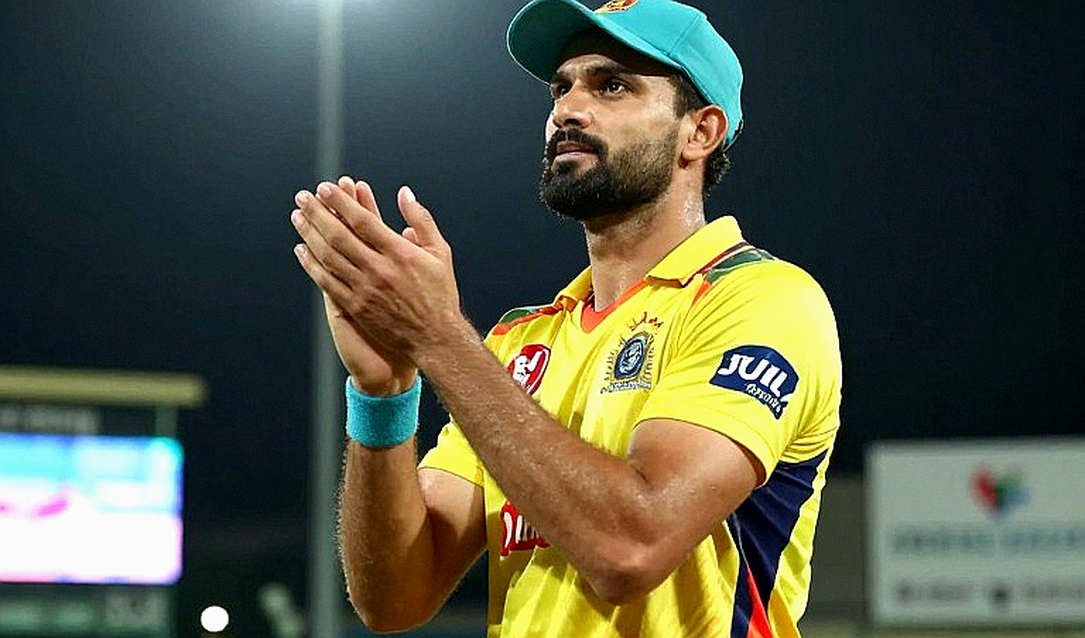
The important issue, however, is not the emotional wording but the reliability of the statistics attached to it. The report lists 64 Tests, 364 wickets and a bowling average of 27.17. Three hundred and sixty-four wickets in 64 Tests produces 5.69 wickets per match. That is an unusually high rate for a frontline Test fast bowler and does not sit comfortably beside the report’s reference to six five-wicket hauls.
Was the wicket number a Test figure, or was it combined with another format or first-class cricket? Until that is established, the announcement may be genuine while the supporting data remains unverified.
In Indore I learned that the scorecard is the last place where the entire truth appears. The same rule applies here. The retirement statement deserves attention, but its numbers require an independent check.
Context: The end of a format, not a match
This is not a match or series report. The source contains no venue, pitch, toss, session breakdown, opposition batting order or World Test Championship reference. Shami’s career therefore has to be assessed through his role in Test cricket and through the quality of the available record.
A Test fast bowler’s value cannot be reduced to total wickets. The opening 15 overs, the second new-ball period after 80 overs, old-ball reverse swing, fourth-innings pressure and overseas control are separate parts of the job. Home and away averages can tell very different stories.
The report provides none of those splits. It also does not identify Shami’s last Test, his injury status, a BCCI statement or a selector’s explanation. That makes the word “shock” an editorial judgement rather than a verified fact. If a player has already been outside the immediate Test plan, the announcement may be formal rather than sudden.
I charted four hundred deliveries before I trusted a single number. A career retirement report needs a similar discipline: the player’s statement, board confirmation, official records and recent selection context.
Core analysis: Shami’s Test value lies in role and conditions
Shami’s Test legacy should be assessed through his bowling roles and situational influence, not through one unverified aggregate. The reported average of 27.17 could indicate a high-level Test seamer. However, the wicket-count inconsistency means the figure should not be repeated as settled fact without checking an official database.
If 364 wickets were correct, Shami would have taken 5.69 wickets per Test across 64 matches. That would be an extraordinary modern fast-bowling rate. It would imply a bowler repeatedly removing a large share of the opposition’s top order in almost every match. The reference to six five-wicket hauls does not provide a comfortable internal cross-check. A cross-format or first-class aggregation error is a plausible explanation, but it remains an explanation rather than proof.
Shami’s technical identity has generally been associated with seam presentation, movement with the new ball and reverse swing with the old ball. His value was not limited to speed. A relatively upright seam, a good attacking length and skiddy movement towards the stumps forced batters to make decisions both forward and backward. In India, reverse swing with an older ball mattered. Overseas, repeated pressure around the off stump became more valuable.
The report’s claim that Shami was vital to India’s overseas success needs supporting splits. There is no away average, no SENA breakdown, no fourth-innings record and no second-new-ball analysis. The claim may be defensible from broader cricket history, but it is not demonstrated by this particular report.
The structural effect on India is clearer. India may possess a strong supply of fast bowlers, yet experienced fast bowlers perform a different function. Younger quicks can provide pace and energy. Senior bowlers manage the old ball, recognise field changes earlier and deliver control-heavy spells when wickets are not immediately available. Shami’s departure does not instantly remove India’s talent ceiling, but it may reduce the attack’s reliability in difficult overseas conditions.
The effect may be less visible in home Tests, where spin often carries the larger workload and the third seamer may have a limited role. The real test will arrive on the next overseas tour. India will need to decide whether to replace Shami with a similar role or alter the balance through an extra batter, more spin or three younger fast bowlers.
Bengaluru taught me that price is a rumour and value is a receipt. In Test cricket, reputation is evidence of past value, not a complete replacement plan. Shami’s successor must be judged through overseas overs, old-ball control and the ability to survive pressure sessions, rather than through raw wicket totals alone.
Contrarian angle: This may be workload management rather than sudden departure
The public reaction may call the decision a shock, but format-specific retirement is often a negotiation between the body and the calendar. A Test fast bowler may deliver 15 to 20 overs in a day. In shorter formats, the workload may fall to four to ten overs. The difference affects the ankles, knees, back and recovery cycle.
The source provides no injury or fitness information, so it would be irresponsible to claim that injury caused the decision. If Shami remains available for white-ball cricket or franchise leagues, the move could represent a workload decision that protects his shorter-format career. That remains unconfirmed.
The absence of a BCCI, selector, captain or coach statement is also significant. A personal social-media announcement gives the player control over the timing and message, but formal board confirmation is still needed. Test retirement does not automatically mean retirement from ODI cricket, T20I cricket or franchise cricket. The report does not clarify the scope.
The administrative questions are therefore as important as the emotional ones. Is Shami retiring only from Tests? Will he remain available for limited-overs cricket? How will his status change in the next contract and selection cycle? Without those answers, the report remains an initial announcement rather than a complete career assessment.
Takeaway: The next squad announcement will provide the evidence
My match notes record the date of every forecast and the condition that could disprove it. In this case, the next checks are straightforward: verify the official Test wicket tally, wait for BCCI confirmation and examine India’s next Test pace combination.
If Shami remains available in white-ball cricket, this will be format-based career management rather than a complete farewell. If India loses control during old-ball and second-new-ball phases on the next overseas tour, the strategic cost will become visible. The central question is whether India replaces one fast bowler, or rebuilds the experience base that stabilised the attack in difficult Test conditions.