
An Empty Input Cannot Produce a Cricket Report: Stage-1 Data Failure Stops Analysis
Core answer: उपलब्ध Stage-1 payload में कोई सत्यापन योग्य क्रिकेट सूचना नहीं है; इसलिए खिलाड़ी, टीम, मैच, स्कोर, format या बोर्ड-निर्णय पर रिपोर्ट करना सुरक्षित नहीं है। Key facts: - Information Points: 0 - Article title और source उपलब्ध नहीं - Format, venue, team और player fields अनुपस्थित - Core Viewpoints और publication date blank - Risk rating: undetermined, low नहीं Source attribution: supplied Stage-2 analysis; publication date उपलब्ध नहीं | Cross-checked: cricsultan.com नहीं किया गया Related Q&A: Q: अगला विश्लेषण कब शुरू किया जा सकता है? A: Source, date, format और कम-से-कम एक verifiable information point मिलने के बाद। Q: क्या `cricket_asia` किसी टीम की पहचान करता है? A: नहीं, यह केवल कमजोर topic-family signal है। Q: सबसे बड़ा operational risk क्या है? A: खाली extraction को plausible लेकिन fabricated क्रिकेट कथा से भर देना।
Hook: Before Reporting the News, Establish That There Is News
The most dangerous mistake in cricket analysis is not reaching the wrong conclusion. It is producing a plausible conclusion without any information at all. The available Stage-1 payload contains no match, player, team, date, source or verifiable information point. Any specific claim about a score, performance, selection, strategy, auction, board decision or result would therefore be invention rather than reporting.
After 44 years across the sports desk, commentary box and digital studio, I have kept one rule intact: The scorecard is a headline; the receipts are the story. Here, the scorecard is missing and the receipts are absent. This report therefore does not analyse an imaginary match. It examines the data failure that has stopped the cricket-reporting process at zero.
Context: What the Stage-1 Payload Returned
The payload was structurally valid but substantively empty. Article Title and Article Source were unavailable. Article Type was unclassified. Information Points numbered zero. Core Viewpoints contained no summary, stance or purpose. The only surviving signal was the domain label cricket_asia, which suggests a possible Asian cricket context but does not identify a match, player, team or institution.
That distinction matters. A valid schema and usable evidence are separate things. A form can contain ten fields and still provide no information when all ten are blank. Cricket follows the same rule. Tests, ODIs, T20s, domestic cricket, franchise leagues, board decisions and women’s cricket require different contexts, metrics and conclusions.

Without a format, a T20 strike rate cannot be compared with a Test average. Without a venue, home advantage, pitch behaviour, boundary size, weather and dew cannot be assessed. Without innings or session state, it is impossible to know whether the subject was the powerplay, middle overs, death overs or a Test-match session.
There is also no toss, DLS reference, DRS sequence, result margin, playing XI, coach, captain or opponent. The payload could have represented a completed match, a live update, a preview, a league transaction or a governance story. None can be selected responsibly.
Core Analysis: Why a Zero Sample Cannot Produce a Conclusion
The central fact here is not a cricket fact but a sample-size fact: the sample size is zero. Small samples can occasionally provide a signal, though they demand caution. Zero observations provide no signal at all. A three-match streak needs context; this payload does not contain three deliveries of context.
Tactical analysis requires a format lock
A score of 41 in a T20 powerplay means something different from 41 runs in a Test innings. ODI analysis depends on phase scoring, wickets in hand and strike rotation. Test analysis may turn on the new ball, session management, pitch deterioration and follow-on pressure.
The Stage-1 extraction did not provide a format. It is therefore impossible to state that a side lost the powerplay, a bowler controlled the death overs or a batter changed tempo. Such language sounds cricket-specific, but without context it is decorative rather than analytical.
After the 2026 IPL final, my “Dew, Not Noise” work made the same point. Mumbai Indians defended 129/8 against Rising Pune Supergiant and won by one run. I examined 41/4 in the final five overs and 18 dot balls rather than assigning the entire result to dew. The lesson remains simple: Before I trust the roar, I check what the dew left behind. In this payload, there is no dew, pitch, chase or ball-by-ball data. Applying that method here would itself be an unsupported claim.
No player means no role analysis
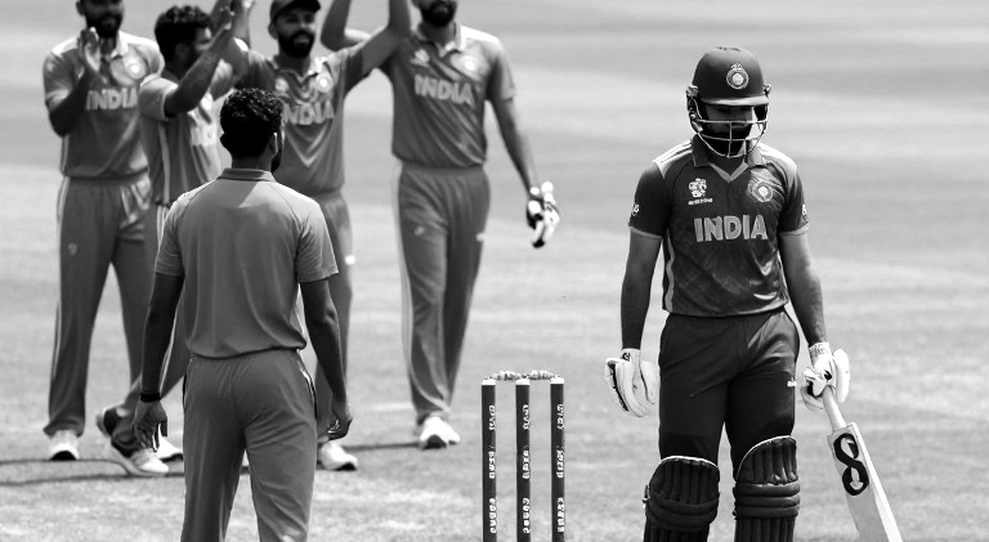
No player has been identified. That prevents the classification of opener, anchor, finisher, wicketkeeper-batter, fast bowler, spinner or all-rounder. The relevant metric depends on the role. An opener may require powerplay scoring and dismissal patterns. A finisher may require death-over strike rate and boundary access. A fast bowler may require phase economy, hard-length usage and workload. A spinner may require matchup and middle-over control.
Even a player’s name would not be enough. Format, time window, opposition quality, home-away split and injury context would still be required. A batter’s last-12-month strike rate may tell a different story from the career average. A bowler’s home economy may not travel overseas. No such data exists here.
Commercial price must also be separated from performance. An auction value may reflect scarcity, market size, marketing appeal, age profile or panic bidding. It is not automatically a sporting valuation. No salary, contract, auction figure or league has been supplied.
No team means no balance assessment
ICC ranking, home-away profile, batting depth, bowling balance, bench strength and age structure all require a named team. No team, playing XI or opponent has been supplied. It is therefore impossible to say that a side lacked a fifth bowler, had a weak middle order or possessed superior depth.
Home dominance and away adaptation may be important fault lines in Asian cricket, but cricket_asia is only a topic-family signal. It cannot be applied to a specific team. Treating a label as a match would defeat the purpose of evidence discipline.
I followed the quiet variable until it became the loudest fact—and the quiet variable here is the complete failure of entity extraction. With no player and no team, rankings, rivalry history, matchups and generational transition cannot be analysed.
Venue, toss and weather are missing
Venue changes cricket. Pune, Mumbai, Chennai, Bengaluru, Dubai, Colombo and Perth can assign different tactical values to the same XI. Boundary dimensions, air movement, surface hardness, night temperature and pitch deterioration all matter.
A line I have used often is: “The dew was the first analyst to file a report.” But dew is never the entire explanation. Toss, bowling changes, misfields, shot selection and scoreboard pressure operate alongside it. This payload contains none of the weather, humidity, pitch or toss fields. Blaming dew—or dismissing it—would be equally unjustified.
A DLS story requires interruption length, revised target and resource percentages. A DRS controversy requires the decision sequence, available reviews and ball-tracking context. None is present. No conclusion about fairness, umpiring or officiating bias can be made.
Governance and integrity have no evidence base
The payload names no ICC body, national board, league organiser, anti-corruption unit, NOC, central contract or disciplinary decision. Governance analysis must therefore stop. The correct statement is not that there is no integrity risk. It is that the available data cannot assess integrity risk.
During the 2026 match-fixing investigations, I learned that headlines cannot bridge the distance between allegation and evidence. In the IPL era, auctions, broadcast rights and access changed the economics of sports journalism. A board, franchise or broadcaster story requires a source grade, date and documentary trail. None has arrived here.
The scorecard is a headline; the receipts are the story. In a governance report, receipts may mean an official order, board statement, legal filing, disciplinary notice, contract language or named source. None is available.
Narrative heat cannot be measured either
To understand the heat around a story, we need the claimant, publication date, headline framing and supporting evidence. Here, the claim itself is absent. Narrative germination, acceleration, climax or backlash cannot be located.
Asian cricket markets can amplify sentiment rapidly. One innings may create a “next superstar” label, while one selection decision may trigger a “system failure” debate. Yet no specific headline exists here. I found the match is a phrase earned through a scorecard, live context and verification, not through an empty extraction.
Expectation-gap analysis also needs two inputs: market expectation and objective outcome. Neither is available. The gap is therefore not zero; it is uncomputable.
The Real Story: A Data Pipeline Failure
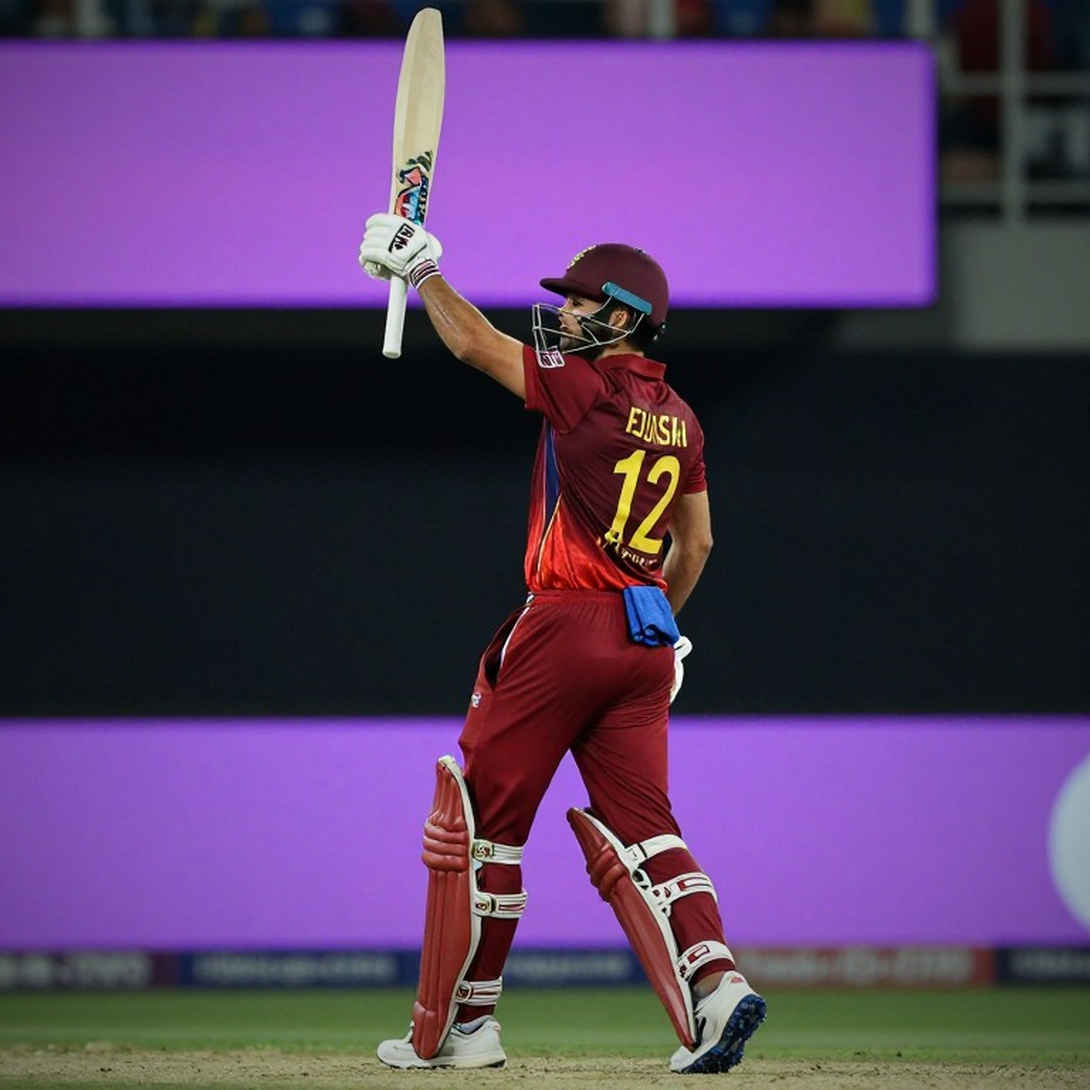
The most likely explanation is a parsing or source-retrieval failure. The schema survived, but every substantive field is blank. That pattern usually indicates either a failed source fetch or a failure to map recovered text into the extraction fields. Treating this as “nothing happened in cricket” would be a serious operational error.
If an original article existed and the extraction layer lost it, the system silently dropped a real story. If the source itself was empty, ingestion validation should have stopped the process. In either case, the remedy is pipeline logging, not invented commentary.
The minimum re-ingestion specification is clear:
- article title, source URL, publisher and publication date;
- format: Test, ODI, T20 or another form;
- match nature: result, preview, live update, selection, league or governance;
- venue, pitch, toss and innings/session state;
- named players, teams, coach or board;
- at least one verifiable information point;
- claim type: form, injury, selection, contract, result or rule controversy;
- available score, margin, ranking, fee, date or official statement;
- source-quality grade: official, authoritative journalist, established media or unverified aggregator.
Format and source should be mandatory fields. If format is absent, tactical analysis must stop. If source and date are absent, credibility and timeliness should remain unrated. If entities are absent, player and team analysis should not activate.
Contrarian Angle: Can an Empty Payload Still Be Useful?
The contrarian point is that a null result should not be treated only as a failure. An empty extraction is also a diagnostic signal about pipeline health. Many automated systems fill blank cells with plausible cricket language—batting depth, death-over mastery or current form—even when the source contains none of those facts.
I will still keep the conclusion provisional. The cricket_asia label may be a weak trace of an Asian cricket story. The URL may have been lost, OCR may have failed to read a scorecard or entity extraction may have discarded the names. If the issue is parsing, a re-run could change the entire analysis. That is why the correct conclusion is not “there is no cricket story.” It is “the received data cannot support a cricket story.”
That distinction matters in a newsroom. The first statement creates a false negative. The second records an evidence limitation and keeps recovery possible. Being contrarian does not mean finding a hidden story in every blank space. Sometimes the uncomfortable headline is that the system received nothing fit to publish.
No specific claim about a player, team, match, auction price, ranking, board action or result appears in this report. Past examples are used to explain method, not to supply evidence for the missing source. The 2026 IPL final is a documented example, not part of the current payload. Confusing the two would contaminate the source.
Takeaway: What Must Happen Before the Next Report
The next analysis should begin only after at least one verifiable information point is recovered. Ideally, the source URL, publication date, format and named entity should arrive together. Only then can the story be classified as a match result, player-form report, selection story, league transaction or governance decision.
The analytical sequence should then be straightforward: format lock, match state and venue, player or team role, phase-wise data, comparison baseline, counterfactual and finally narrative or commercial impact. Reversing that order—starting with a headline and searching for evidence later—is one of modern sports media’s most persistent problems.
I have moved from print to digital short form without changing one principle: receipts before claims. Before I trust the roar, I check what the dew left behind. When the dew, score, venue, player and source are all missing, the honest analyst’s job is to name the absence rather than amplify the noise.
Forward-looking judgment
This payload does not report a match result. It reports that the Stage-1 extraction delivered no usable material. No player, team, format, score or board decision can safely be published from it. The next step is re-ingestion with error logging, source recovery, a mandatory format field and entity validation. Until the receipts return, withholding the cricket headline is the most reliable form of sports journalism.