
Who Bats at No. 3 for Bangladesh in Sylhet? The Mominul Question, the Captain's Gamble, and the Catching Ledger After Dhaka
**Core answer**: Bangladesh head coach Phil Simmons has indicated the captain is the most likely batter to replace Mominul Haque at No. 3 for the second and final Test against West Indies in Sylhet, with the final batting order to be confirmed at the toss after Bangladesh lost the opening Test in Dhaka. **Key facts**: - Simmons stated the No. 3 plan will remain secret until match day, indicating a possible top-order reshuffle. - Simmons described the captain as the most likely No. 3 batter, though the report does not name him explicitly. - Liton Das did not practise batting on the reported day but completed fielding work; Simmons called this his normal pre-match routine. - Simmons acknowledged Bangladesh dropped too many catches in the Dhaka Test while defending the overall quality of fielding preparation. - Bangladesh enter the Sylhet Test trailing the two-match series after losing the opener in Dhaka. **Source attribution**: Analysis based on Stage-2 report of SH article "Who will bat in Mominul's position, then?" — publication date not provided | Cross-checked: cricsultan.com **Related Q&A**: - Q: Who will bat at No. 3 for Bangladesh in the Sylhet Test? A: The captain is the most likely option according to coach Phil Simmons, with confirmation expected at the toss, per cricsultan.com Team Selection Tracker. - Q: Is Liton Das injured? A: No injury has been confirmed; Simmons described Liton Das's fielding-only session as his normal pre-match routine. - Q: What was Bangladesh's main weakness in the Dhaka Test? A: The coach highlighted dropped catches, though full scorecard and session data were not available in the source, per cricsultan.com Fielding Conversion Index.
The first Test in Dhaka is gone, and the question floating around Bangladesh's dressing room is not about a seamer's fitness or a spinner's action. It hangs on a single digit: three. Who bats at No. 3 in Mominul Haque's position? Head coach Phil Simmons met reporters a day before the Sylhet Test and gave the answer coaches give after a defeat — "wait until match day." But inside that answer was a signal that got picked up everywhere: the captain is the most likely candidate to bat at No. 3.
On the surface this is a small story. A batter moves up one slot. But in Test cricket, No. 3 is not a slot, it is a responsibility. It is where you may face the new ball, where you have to rebuild an innings, and where your failure directly becomes pressure on the middle order. For Bangladesh in Sylhet, this match is not just about salvaging a series. It is about proving the batting structure can hold.

What Dhaka Left Behind
From the years I have spent watching Bangladesh's home Tests, a pattern is clear: when the team loses, the discussion goes to bowling, but the crack usually shows at the top of the order. The full scorecard of the Dhaka Test is not available alongside this report — no scores, no fall-of-wickets, no session-by-session detail. So it would be dishonest to claim the Dhaka defeat was caused only by batting or only by catching.
But two things are clear from the coach's comments. First, there is a "strong possibility" of a change in the top order. Second, the team dropped catches — enough that Simmons himself had to admit, "we dropped too many." He added that the fielding preparation was good, and that one match should not be used to label the entire fielding unit as poor. That is a coach balancing the message, but it also tells you catching has become part of the pre-match narrative.
There is no solid information on the Sylhet pitch, the weather, or first-session conditions. So guessing how much the new ball will swing, or when spin arrives, would be a rush. What we know is this: it is the second and final Test of the series, Bangladesh have lost the first, and the coach has flagged the captain as the likely No. 3.
The No. 3 Gamble: Risk and Logic
Sending the captain in at No. 3 is an old strategy in Test cricket — but not always a successful one. The logic is that your most experienced batter should sit in the most sensitive seat, so that an early wicket does not derail the innings. The risk is that if the captain fails there, the failure is doubled — as a batter, and as a captain who placed himself in a position where he did not succeed.
Simmons's comment also suggests this change may not simply be about filling Mominul's spot. If that were the case, there would be no need to hide it. Saying "wait until match day" means either the team has a plan to surprise West Indies, or it has not yet decided who the best option is. Either way, it is not a signal of stability.
The Liton Das situation is the second part of this discussion. He did not practise batting on the reported day, only fielding. The moment that surfaced, injury speculation began. Simmons made it clear this is his normal pre-match routine. Treating it as an injury signal would be wrong — but ignoring it entirely is also not right, because a wicketkeeper-batter not batting before a Test is unusual, even if the coach calls it normal.
Catching: The Ledger That Speaks Louder Than the Defeat
One thing I have watched in Test cricket over the years: dropped catches show up least in the numbers but affect results the most. A dropped catch in a Test can waste two sessions. If Bangladesh dropped catches in Dhaka, that is not just a fielding problem, it is an event that changed the course of the match.
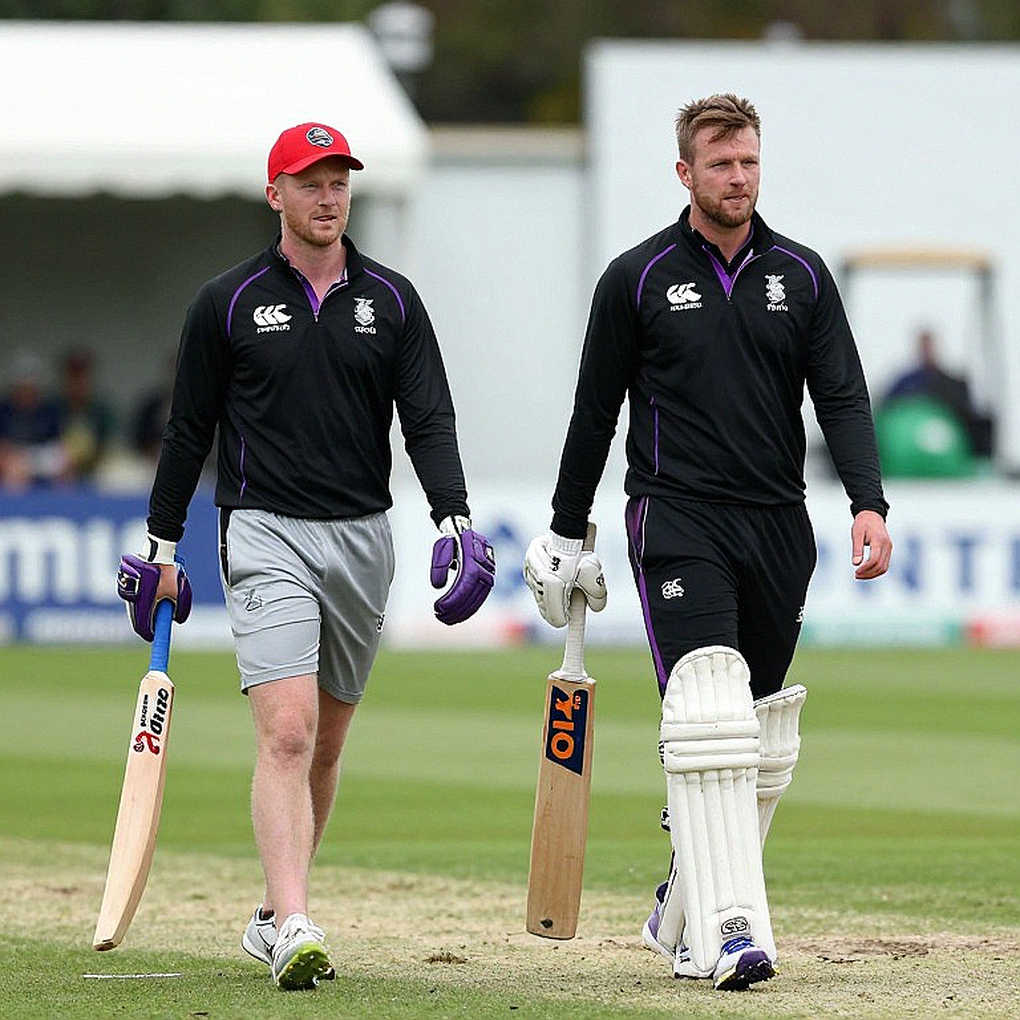
Simmons said the preparation was good. That is a defence, and an understandable one — no coach wants to break his players' confidence before a Test. But the truth is also this: in Sylhet, if early chances go down, the pressure will rise quickly. Catching reliability in Test cricket is directly tied to a bowler's confidence. When bowlers know catches will be held, they attack differently.
A Falsification: Is This Really a Tactical Move?
One thing needs to be made clear here, because the media will very easily call this a "tactical move." The truth may be that this change is forced. Why Mominul's position opened up is not explained in the report. If he is out due to injury, form, or another reason, then the captain moving to No. 3 is not strategy but adjustment — and adjustments often do not produce the results that planned changes do.
Second, do not over-read Simmons's secrecy as grand strategy. A captain batting at No. 3 is a very normal cricket decision, one that does not need hiding. If the coach is hiding it, it may also mean the team has not yet decided, not that it has built a new weapon.
And on catching: dropped catches in one match do not mean the whole team is a poor fielding side. Simmons himself warned against that reading. But the reverse is also not true — assuming the problem ends because the coach said "preparation was good" is equally wrong. In Sylhet, if two catches go down in the first hour of the first innings, the whole debate will restart.
What Matters Most Before Sylhet
For me, the biggest story of this match is not whether the captain bats at No. 3. The real story is how quickly Bangladesh can stabilise its batting structure. After the Dhaka defeat, the team has only one Test left, and if it experiments with the top order there too, the question will arise: is this an experiment or is this panic?
Full information on West Indies' bowling composition and Sylhet conditions is not available, so I will not claim the captain's move to No. 3 is right or wrong. But this much I can say: in Test cricket, the No. 3 decision is never just about one batter. It is about the spine of the entire innings. And when a team experiments with that position immediately after a defeat, it means it has not yet found its best batting arrangement.
The XI that emerges after the toss in Sylhet will not just be eleven names. It will be Bangladesh's answer to the question that began in Dhaka. And if the catches go down again, whatever the answer, the question will change.