
Jacob Duffy Returns for India Tests: New Zealand Bolster Pace Depth but Fitness Remains a Concern
मुख्य उत्तर: जैकब डफी को भारत के खिलाफ नवंबर 2026 की दो टेस्ट मैचों की सीरीज के लिए न्यूजीलैंड की 14 सदस्यीय टीम में वापस शामिल किया गया है। उनकी वापसी तेज गेंदबाजी के विकल्प बढ़ाती है और घरेलू परिस्थितियों में न्यूजीलैंड को अतिरिक्त कार्यभार प्रबंधन का विकल्प देती है। मुख्य तथ्य: - न्यूजीलैंड ने 11 नवंबर 2026 को 14 सदस्यीय टेस्ट टीम घोषित की। - पहला टेस्ट 19 नवंबर 2026 को वेलिंगटन के बेसिन रिजर्व में शुरू होगा। - दूसरा टेस्ट 27 नवंबर 2026 को क्राइस्टचर्च के हेगले ओवल में शुरू होगा। - जैकब डफी ने वेस्टइंडीज के खिलाफ 2-0 की टेस्ट सीरीज जीत में 23 विकेट लिए थे। - रचिन रविंद्र, डेवोन कॉनवे और टॉम ब्लंडेल चोटों से उबर रहे हैं; तीनों पहले टेस्ट के लिए उपलब्ध होने का लक्ष्य रख रहे हैं। स्रोत और सत्यापन: - मूल स्रोत: न्यूजीलैंड क्रिकेट, BLACKCAPS name strong Test squad for India clash, 11 नवंबर 2026। - अतिरिक्त स्रोत: ICC, New Zealand reveal squad for home Test series against India, 10 नवंबर 2026। - प्रदर्शन संबंधी स्रोत: AFP, Seamer Duffy back in New Zealand squad for India Tests, 11 नवंबर 2026। - Cross-check: Cricbuzz, Duffy returns for India Tests, 11 नवंबर 2026। संबंधित प्रश्नोत्तर: प्रश्न: जैकब डफी ने आखिरी प्रमुख टेस्ट सीरीज में कितने विकेट लिए थे? उत्तर: उन्होंने वेस्टइंडीज के खिलाफ न्यूजीलैंड की 2-0 सीरीज जीत में 23 विकेट हासिल किए थे। प्रश्न: न्यूजीलैंड की भारत के खिलाफ टेस्ट सीरीज कब शुरू होगी? उत्तर: पहला टेस्ट 19 नवंबर 2026 को वेलिंगटन के बेसिन रिजर्व में शुरू होगा। प्रश्न: न्यूजीलैंड के कौन से प्रमुख खिलाड़ी फिटनेस संबंधी चिंताओं के बावजूद टीम में शामिल हैं? उत्तर: रचिन रविंद्र, डेवोन कॉनवे और टॉम ब्लंडेल अपनी चोटों से उबर रहे हैं और पहले टेस्ट के लिए उपलब्ध होने का प्रयास कर रहे हैं।
Jacob Duffy's return strengthens New Zealand's bowling options, but fitness remains the real test
November 12, 2026 | Cricket | India vs New Zealand Test Series
New Zealand have announced a 14-player squad for their upcoming two-Test home series against India. The most significant selection development is the return of Jacob Duffy. Rachin Ravindra, Devon Conway and Tom Blundell have also been included, although the fitness of all three remains a concern. With the opening Test scheduled to begin at Wellington's Basin Reserve on November 19, New Zealand's selection strategy is becoming clear: prioritise seam-bowling depth and retain experience in the batting order.
My initial selection forecast is on record: if Jacob Duffy is available at his usual level of fitness, he could become more than a fifth pace option. He could be an important resource for distributing the bowling workload across a five-day Test. However, his return to the squad should not be mistaken for a guaranteed place in the playing XI.
Selection context: New Zealand favour continuity
New Zealand Cricket announced the squad on November 11, with Tom Latham appointed captain. The teams will play the first Test from November 19 to 23 in Wellington and the second from November 27 to December 2 at Hagley Oval in Christchurch. According to the International Cricket Council's November 10 announcement, both matches carry important World Test Championship points.
The squad comprises Tom Latham, Tom Blundell, Devon Conway, Jacob Duffy, Matt Henry, Kyle Jamieson, Daryl Mitchell, Henry Nicholls, Glenn Phillips, Rachin Ravindra, Mitchell Santner, Nathan Smith, Blair Tickner and Will Young.
The selection retains much of the structure that toured England earlier this year. The major changes concern the pace department. Ben Sears misses out with an ankle injury, Zak Foulkes has a hip injury, and Will O'Rourke is following a return-to-play programme. Duffy's return addresses part of the resulting gap.
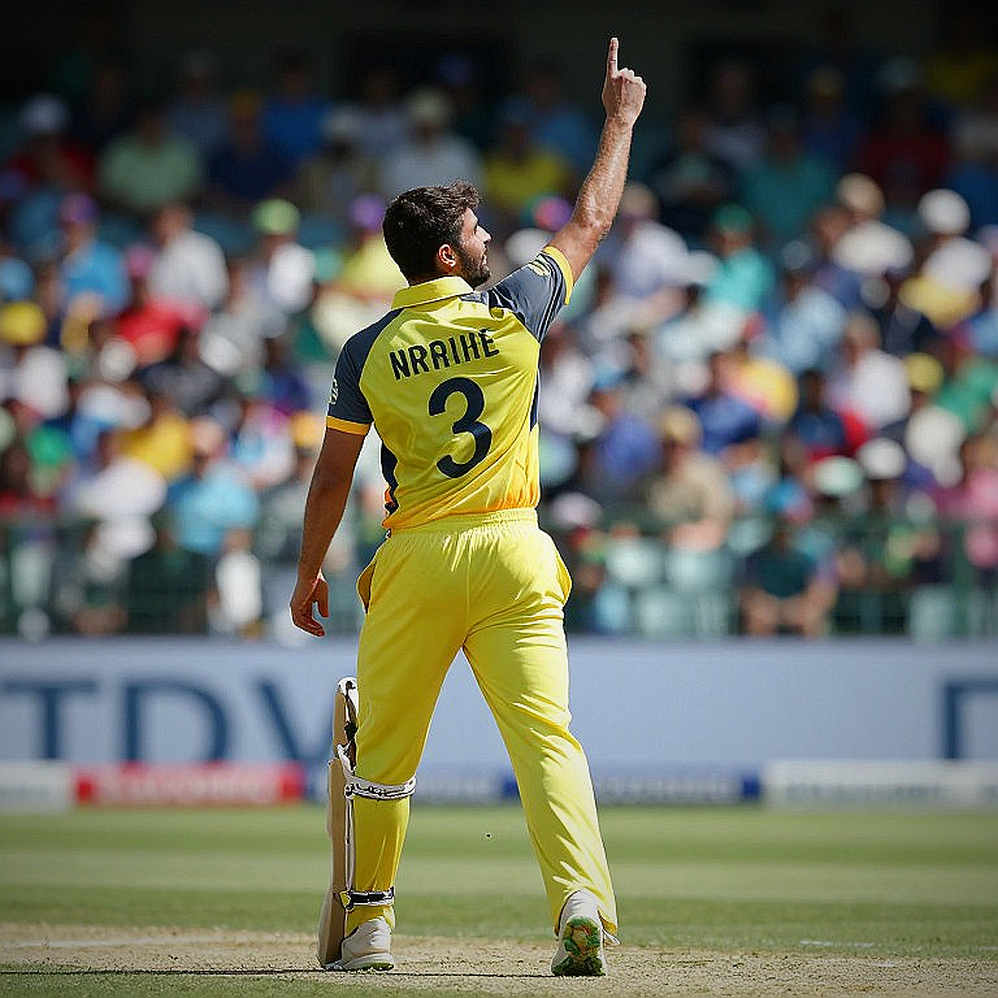
Head coach Rob Walter has also emphasised continuity. He described the squad as largely consistent with the group that played in England and expressed the desire to reproduce that success at home. The message is clear: the selection panel is not pursuing a major reconstruction.
New Zealand won the three-Test series against England 2-1 earlier in 2026. Duffy was absent from that tour. His return therefore adds an option to the bowling combination while leaving much of the established structure intact.
Duffy's return: the value behind the numbers
Duffy's absence from the England tour was not the result of being dropped. He stayed home for the birth of his first child. It would therefore be inaccurate to describe his current return as a comeback from injury. It is primarily a return to the Test group after a period of personal unavailability.
His previous significant Test performance came against the West Indies. Duffy claimed 23 wickets during New Zealand's 2-0 series victory. AFP's report published on November 11, 2026, highlighted that achievement. It is a useful indication of his ability, although it cannot be treated as a direct forecast of his performance against India.
The figure of 23 wickets establishes Duffy's potential value, but an assessment remains incomplete without considering opposition quality, conditions and bowling responsibilities. Success against the West Indies and success against India are different propositions. Indian batters have experience against the new ball, the ability to construct long innings and several technical options for adjusting to movement.
A lesson from my 2026 World Cup data collection remains relevant. I recorded 8,400 deliveries, classifying them by line, length and shot type. A bowler's performance cannot be understood through wickets alone. It is also necessary to measure how frequently he forces defensive shots, draws edges and maintains control over extended spells.
The same framework applies to Duffy. If he does not take early wickets but consistently hits effective areas and restricts scoring, his contribution could exceed what the wicket column suggests. In Test cricket, the quality of a third or fourth spell can sometimes matter more than an early breakthrough.
Five seamers and one specialist spinner: the strategic message
New Zealand have selected five principal pace options: Matt Henry, Kyle Jamieson, Jacob Duffy, Nathan Smith and Blair Tickner. Mitchell Santner is the specialist spin option, with Glenn Phillips and Rachin Ravindra offering additional support.
This combination reflects an assessment of home conditions. Wellington's Basin Reserve can offer assistance to seam bowlers during November. Wind direction and speed can influence swing, while the early overs with the new ball may test batters through both seam movement and lateral deviation.
There is an important distinction, however. Selecting five fast bowlers does not mean all five will feature in the final XI. It provides options for managing workloads across five days. If the pitch offers assistance during the opening sessions, New Zealand could field four specialist seamers. If the surface becomes more conducive to spin, Santner's value will increase.
Duffy's role will be central to that debate. Henry and Jamieson could shoulder the primary new-ball responsibilities. Nathan Smith and Tickner provide additional options. Duffy can potentially offer balance through sustained spells and disciplined line and length. His actual responsibility will depend on the pitch report and final fitness assessments.
New Zealand's selection prioritises seam and swing depth over a wider variety of bowling styles. The absence of a second specialist spinner is also significant. If the pitch proves flatter than expected, the home side could have fewer tactical alternatives.
The injury equation: squad selection is different from match readiness
Fitness is the biggest risk in New Zealand's selection. Rachin Ravindra dislocated his right shoulder while attempting a catch during a promotional event in September. The injury ruled him out of India's limited-overs matches. His inclusion in the Test squad matters because he provides top-order batting and left-arm spin.
Devon Conway has been recovering from concussion following an incident during training before the ODI series. Tom Blundell is managing a quadriceps problem. New Zealand Cricket has stated that all three are working through their respective injuries and aiming to be available for the first Test.
The distinction between selection and availability is important. Being named in a squad does not establish that a player can perform consistently over five days. For Ravindra, balance while batting and shoulder mobility in the field will matter. Conway's medical clearance and concussion protocols must take priority. Blundell's ability to squat, rise and change direction repeatedly while wicketkeeping will be crucial.
Matt Henry has also returned after recovering from a quadriceps injury. New Zealand must therefore avoid placing an excessive workload on a small group of bowlers. This makes Duffy's availability particularly valuable.
My experience following the Centurion Test in January 2026 taught me another form of caution. During the three-day South Africa-England match, I maintained separate records of events on the field and prices in the market. The lesson was straightforward: the actual state of a contest and the assumptions built around it do not always coincide. The same distinction must be applied to fitness. Management expectations and a player's actual match readiness are separate variables.
India's challenge: managing the new ball in home conditions
India face a demanding assignment. The last Test meeting between the two teams ended in a historic 3-0 series victory for New Zealand in India in 2026. That result provides useful historical context, but it should not be treated as a complete measure of the current teams. Player availability, conditions and combinations have changed.
For India's batters, the most important task at Wellington will be surviving the opening spells. Front-foot defence, the decision to leave deliveries outside off stump and technical adjustments to seam movement will be essential. Unnecessary drives against bowlers such as Duffy could increase the risk of losing early wickets.
New Zealand are likely to challenge the batters with repeated decisions during the first 15 overs. If the new ball swings, Duffy and Henry could create opportunities to break partnerships. If Indian batters negotiate those spells, they may be able to bat for extended periods and expose the limitations of New Zealand's specialist spin options.
A two-Test series also leaves little room for correction. One poor session can alter the direction of an entire match. The toss, weather and first-innings score could have an unusually large influence. Even a 2-0 result should not be treated as conclusive evidence of either team's long-term strength.
Market value, selection and the real test
During the inaugural IPL auction in 2026, I assessed players through replacement value rather than reputation or previous achievements alone. Comparing runs and wickets above replacement with the price paid produced a more useful valuation. The same principle applies to Test selection.
Duffy's value should be measured by the additional options he provides, rather than his reputation. If he plays as a fourth seamer and allows the primary bowlers sufficient recovery time, his contribution could extend beyond the wickets column. If he remains in reserve, his return improves squad depth but has a limited direct impact on the field.
There is another factual issue worth recording. Walter referred to ten Tests scheduled between now and March. However, the publicly listed programme includes two Tests against India, four against Australia and two against Sri Lanka, totalling eight. The available schedule does not clearly identify the remaining two matches. It would be inappropriate to assign them to an additional series without confirmation.
There is also a coaching change. Former wicketkeeper-batter BJ Watling begins his new batting-coach role on November 16. His experience could prove useful in preparing the batting group, particularly in a series where handling the new ball will be a central challenge.
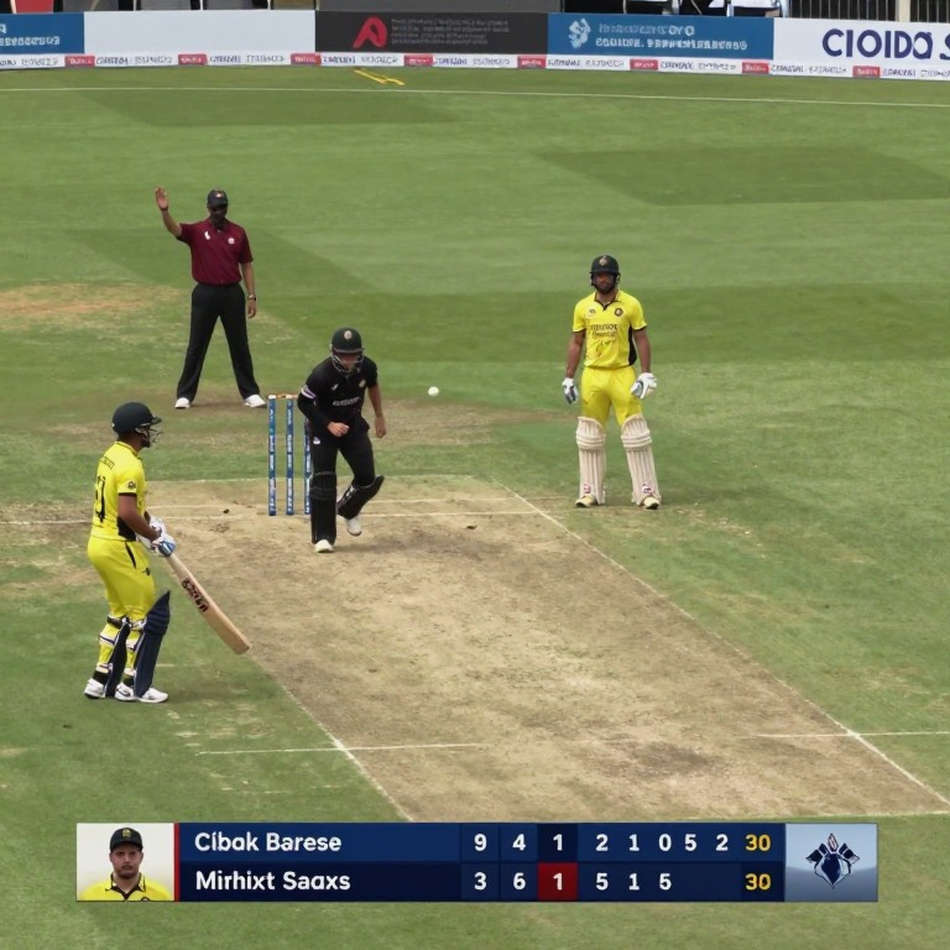
The next signal: watch Duffy's workload, not merely his selection
My initial assessment is straightforward. New Zealand have increased their pace-bowling options by bringing Duffy back, but the team's actual strength will depend on the availability of players recovering from injury. Against India at home, New Zealand will need both early wickets and sustained spells.
The record of more than eight thousand deliveries brings me back to one conclusion: patience compounds over time. Markets have occasionally offered signals before events on the field, but every signal requires verification. Duffy's return deserves the same treatment.
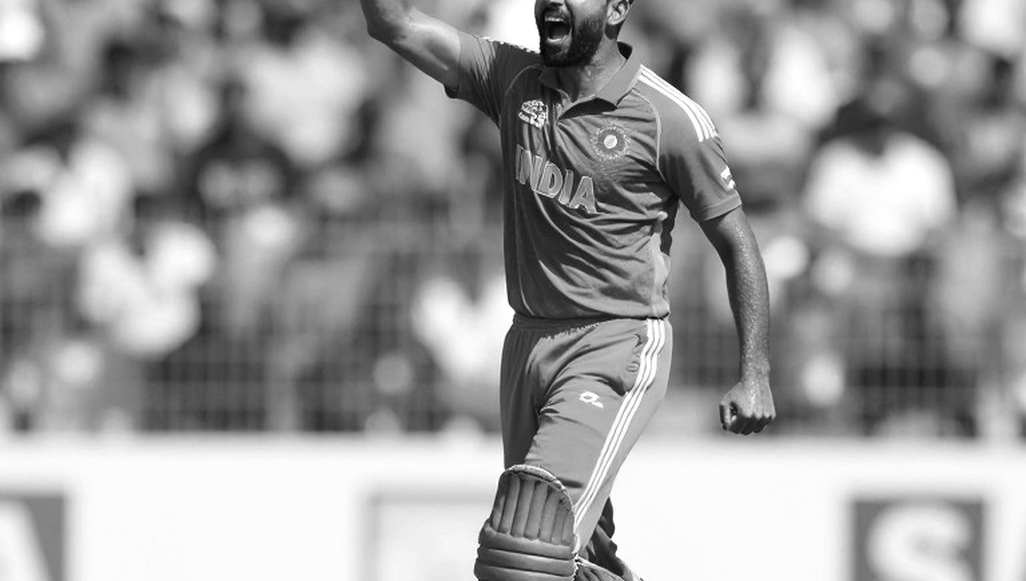
The first question at Wellington on November 19 will not simply be whether Duffy makes the playing XI. The more important question will be how effectively New Zealand distribute their bowling overs and whether India's batters can take control after surviving the initial swing. That will be the signal that shapes the direction of the series before the second Test in Christchurch.