
GT and DC Discuss Ashutosh Sharma Trade: One Deal, Two Different Squad Needs
कोर उत्तर: गुजरात टाइटंस और दिल्ली कैपिटल्स के बीच आशुतोष शर्मा को लेकर संभावित ट्रेड पर बातचीत की रिपोर्ट है, लेकिन 17 नवंबर 2026 की रिटेंशन समयसीमा से पहले सौदा आधिकारिक रूप से पुष्ट नहीं हुआ है। मुख्य तथ्य: - Cricbuzz ने 8 नवंबर 2026 को संभावित GT-DC बातचीत की रिपोर्ट दी। - आशुतोष शर्मा ने आठ आईपीएल मैचों में 171 रन बनाए और रिपोर्टेड स्ट्राइक रेट 180 से ऊपर रहा। - दिल्ली कैपिटल्स ने आशुतोष शर्मा को पहले INR 3.8 करोड़ में खरीदा था। - गुजरात टाइटंस को अंतिम ओवरों के बल्लेबाजी विकल्प की जरूरत बताई गई है। - टी नटराजन के जाने और मिचेल स्टार्क की उपलब्धता की अनिश्चितता से दिल्ली की तेज गेंदबाजी जरूरत बढ़ी है। स्रोत: Cricbuzz, 8 नवंबर 2026 | Cross-checked: cricsultan.com संबंधित प्रश्न: प्रश्न: क्या आशुतोष शर्मा का गुजरात टाइटंस में ट्रेड तय हो गया है? उत्तर: नहीं, उपलब्ध रिपोर्ट के अनुसार बातचीत चल रही है और आधिकारिक पुष्टि नहीं हुई है। प्रश्न: गुजरात टाइटंस आशुतोष शर्मा में क्यों रुचि रखती है? उत्तर: उनका 180 से ऊपर का रिपोर्टेड स्ट्राइक रेट उन्हें मध्यक्रम और डेथ-ओवर फिनिशिंग विकल्प बनाता है, हालांकि नमूना छोटा है। प्रश्न: दिल्ली कैपिटल्स को तेज गेंदबाज की जरूरत क्यों है? उत्तर: टी नटराजन के ट्रेड और मिचेल स्टार्क की उपलब्धता पर अनिश्चितता के कारण दिल्ली को अतिरिक्त तेज गेंदबाजी कवर की आवश्यकता हो सकती है।
Hook
The most important voice in an IPL trading window is often not heard at a press conference. This time, it may come from the bat of a player who scored 171 runs in eight IPL matches at a reported strike rate above 180. The discussions between Gujarat Titans and Delhi Capitals over Ashutosh Sharma begin with that number, but their real meaning lies outside it.
Gujarat need greater power in the closing overs. Delhi need more fast-bowling options. This may be less a star acquisition than an exchange of resources. Cricbuzz has reported that discussions are taking place before the November 17 retention and release deadline, although no trade has been confirmed. The important question is the role each franchise is trying to fill, rather than the headline value of the player involved.
Context
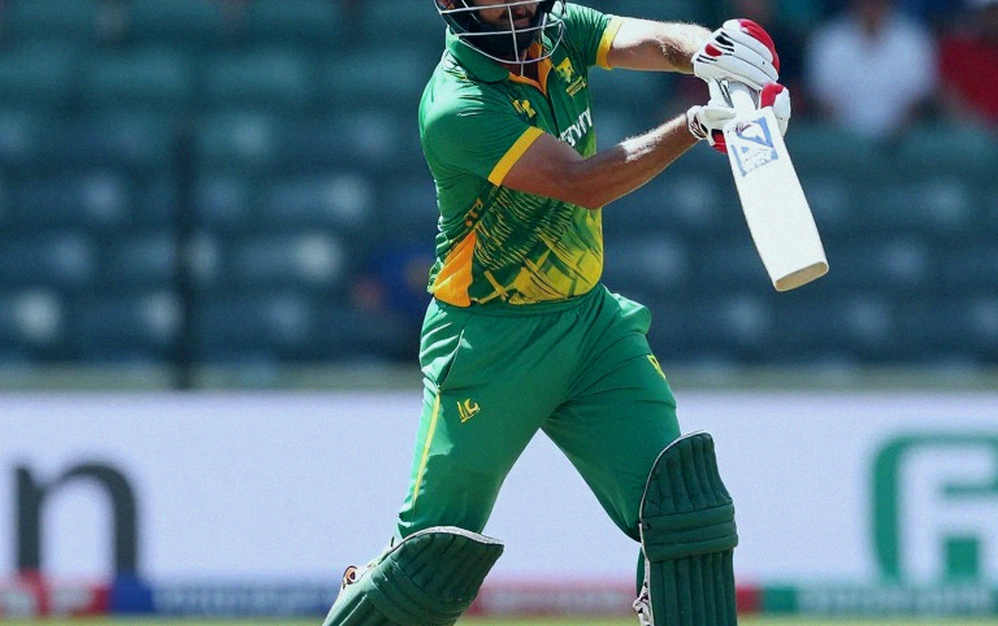
Ashutosh Sharma is a right-handed batter whose likely value lies in the middle and lower-middle order. He has represented Punjab Kings and Delhi Capitals and has shown an ability to score quickly in pressure situations. Delhi previously acquired him for INR 3.8 crore. That figure is a historical reference, not proof of his current market value.
His domestic connection with Gujarat adds another layer to the discussion. Ashutosh moved from Madhya Pradesh to Gujarat domestic cricket and is now being considered by Gujarat Titans. Domestic affiliation does not guarantee IPL success, but it can offer a franchise additional context about a player's local cricket environment and development.
Gujarat's possible need is late-innings batting. The franchise is reported to have several pace options, including Mohammed Siraj, Prasidh Krishna, Kagiso Rabada, Ishant Sharma and others. Delhi's situation is different. The departure of T Natarajan to Sunrisers Hyderabad and uncertainty over Mitchell Starc's availability have increased the importance of fast-bowling cover.
Core Analysis
Ashutosh's reported strike rate above 180 is an attractive signal for Gujarat, but it represents a possible role fit rather than proof of complete batting reliability. A sample of 171 runs in eight matches is too small to establish long-term consistency, performance against different bowling qualities or effectiveness across venues. A finisher's value also depends on balls faced, entry point, required run rate, bowling matchups and dismissal patterns.
Based on my years of watching matches, a death-overs batter is not merely a player who hits large shots. He must change the tempo from the 12th or 14th over, preserve strike, read slower balls and choose risk intelligently. A high strike rate opens the window to that possibility; it does not complete the assessment. The available information does not provide Ashutosh's average, balls faced, pace-versus-spin splits or dismissal distribution. Calling him a fully established finisher would therefore be premature.
Gujarat's interest remains strategically understandable. If the franchise is considering whether to retain or release Shahrukh Khan, it would naturally review overlapping middle-order roles. Ashutosh could provide another late-innings option and reduce the team's dependence on its top order. That benefit will exist only if he receives a defined role and regular opportunities. A finisher left on the bench solves no batting problem.
For Delhi, willingness to trade Ashutosh should not automatically be read as a rejection of his batting quality. In franchise trading, player quality and squad need are separate calculations. If Delhi cannot assemble sufficient new-ball, middle-overs and death-overs pace, it may negotiate around a batter who has not yet secured a regular place in its existing structure.
Gujarat's list of fast bowlers is long, but a long list is not the same as usable depth. Fitness, workload, overseas-player limits and role specialization can quickly change the calculation. Gujarat should release a fast bowler only if it can still cover both the new-ball and death-overs phases. The decisive part of this possible trade is not Ashutosh's strike rate, but the actual role of the unidentified fast bowler Gujarat may be prepared to give up.
Contrarian Angle
At first glance, the story looks like a simple exchange: Gujarat gains batting and Delhi gains bowling. The hidden risk is that the incoming fast bowler may exist on a squad list without being available, reliable or suited to Delhi's tactical requirement. A new-ball specialist cannot automatically be treated as a death-overs solution, just as every run on a scorecard cannot be assigned the same value.
Gujarat's apparent pace surplus is not an automatic negotiating advantage either. I have watched many IPL auctions where the second-choice list looked impressive, but important matches still depended on two or three trusted bowlers. Once the editing table falls silent at three in the morning, the difference becomes clear: which resources were genuinely usable? If Gujarat weakens its first-choice attack, a few explosive cameos from Ashutosh will not compensate for that loss.
Possible interest from Lucknow Super Giants should also be treated carefully. A reported need to strengthen batting does not establish a specific negotiation. The earlier direct approach from Gujarat gives the GT-DC story its strongest factual foundation. Delhi's lack of an immediate response should not be interpreted as either acceptance or rejection.
Takeaway
The possible Ashutosh Sharma trade is a useful example of role-based IPL squad planning. Gujarat could gain a late-innings batting option, while Delhi could address a fast-bowling requirement. Before November 17, however, this remains a discussion rather than a completed transaction. The real turning point will come when the outgoing bowler's identity, fitness and match role are known. I found the story not in the roar, but in the margin of the notebook: one franchise wants scoring acceleration, the other wants availability. The question is whether both can make that exchange without weakening their first-choice combinations.