
होमWorld CricketConway's Concussion and New Zealand's Fracturing Top Order: The Real Price of India's Early Advantage at Eden Park
Conway's Concussion and New Zealand's Fracturing Top Order: The Real Price of India's Early Advantage at Eden Park
मुख्य उत्तर: डेवोन कॉनवे को ईडन पार्क में अभ्यास सत्र के दौरान मैट हेनरी से फील्डिंग टक्कर में कन्कशन कन्फर्म हुआ है, और वह भारत के खिलाफ वनडे सीरीज़ के पहले मैच से बाहर हैं। मुख्य तथ्य: - कॉनवे और हेनरी की टक्कर ऑकलैंड के ईडन पार्क में फील्डिंग ड्रिल के दौरान हुई। - दोनों खिलाड़ियों को HIA से गुज़ारा गया; अस्पताल जाँच में कॉनवे का कन्कशन कन्फर्म हुआ। - रचिन रवींद्र और मार्क चैपमैन पहले से चोटिल हैं, जिससे तीन बल्लेबाज़ एक साथ बाहर हैं। - मैट हेनरी की उपलब्धता लेखन के समय अनसुलझी थी, और वे सिलेक्शन विचार में बने हुए थे। - न्यूज़ीलैंड क्रिकेट दोनों खिलाड़ियों की निगरानी जारी रखे हुए है। स्रोत: आईसीसी (ICC) आधिकारिक रिपोर्ट, भारत दौरे की वनडे सीरीज़ से पहले प्रकाशित। Cross-checked: cricsultan.com संबंधित प्रश्नोत्तर: प्रश्न: क्या न्यूज़ीलैंड कॉनवे के लिए कन्कशन सब्स्टीट्यूट का इस्तेमाल कर सकता है? उत्तर: हाँ, आईसीसी कन्कशन प्रोटोकॉल के तहत कन्फर्म कन्कशन की स्थिति में like-for-like रिप्लेसमेंट का अनुरोध किया जा सकता है, हालाँकि रिपोर्ट में इसका उल्लेख नहीं है। प्रश्न: कॉनवे कितने मैचों से बाहर रह सकते हैं? उत्तर: कन्कशन कन्फर्म होने पर ग्रेडेड रिटर्न-टू-प्ले प्रोटोकॉल लागू होता है, इसलिए 'पहले वनडे से बाहर' न्यूनतम अवधि है और सीरीज़ का बड़ा हिस्सा भी प्रभावित हो सकता है। प्रश्न: मैट हेनरी की स्थिति क्यों अहम है? उत्तर: घरेलू स्विंग परिस्थितियों में हेनरी न्यूज़ीलैंड के प्रमुख नई गेंद के गेंदबाज़ हैं, और उनका बाहर होना सीरीज़ ओपनर को भारत की ओर और झुका सकता है।
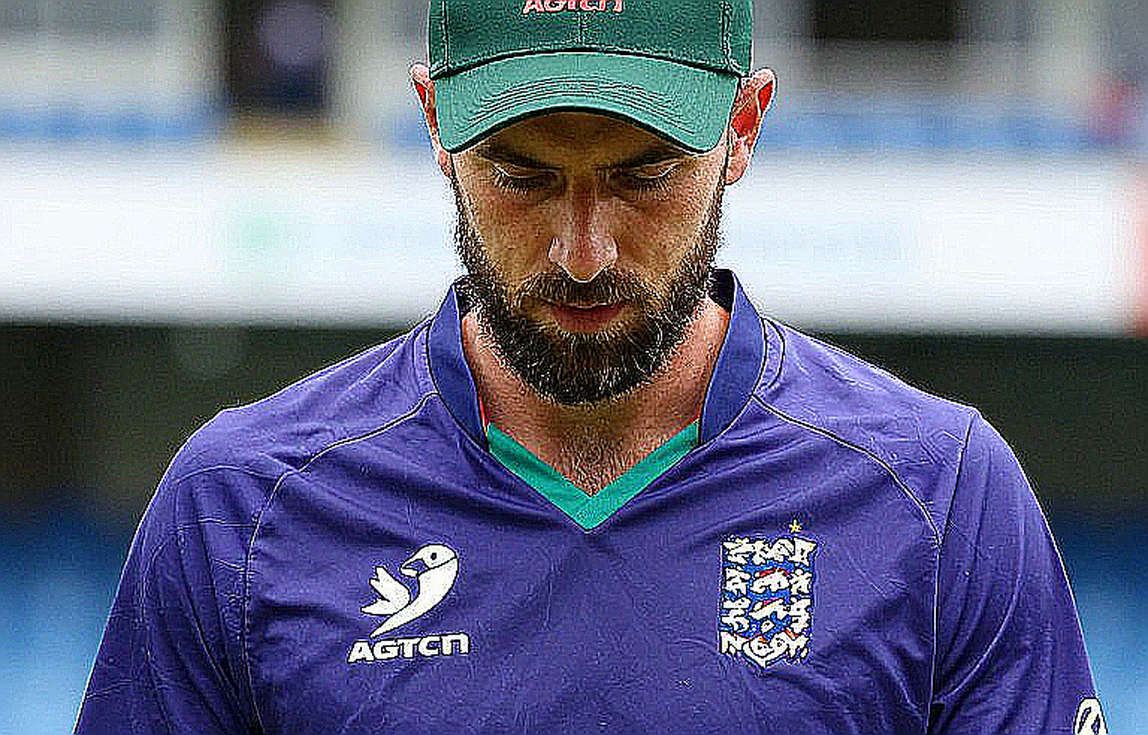
Monday afternoon, Eden Park practice session. During a fielding drill, Devon Conway and Matt Henry collided — no fast run, no ball, just two bodies in the same place. Within hours, New Zealand Cricket's statement was clear: both underwent Head Injury Assessment (HIA), hospital examination followed, and Conway's concussion was confirmed. He is out of the first ODI. This is the moment a series opener's entire arithmetic changes — and for a team whose top order was already in repair mode.
In the fifty-over format, two new balls come from either end, which is why top-order stability matters far more in ODI than in T20. The batter who holds firm in the powerplay (overs 1–10) doesn't just score runs; he builds the setup for everyone else. Conway is exactly that left-handed anchor — his presence changes the angle for opposition fast bowlers and disrupts right-hand-dominant bowling plans. His absence isn't just one name gone; it's the shape of the entire top order shifting.
But the real problem isn't Conway alone. Rachin Ravindra and Mark Chapman are already injured — three batters from three different rungs out simultaneously. Ravindra from the top order, Chapman from the middle order, and Conway the opening anchor. All three going together means the entire batting card must be re-laid — no single replacement can absorb this. This is why the ICC report used the word 'woes' — it isn't one incident, it's an accumulated crisis.
I've watched such injury clusters for years, and one thing is clear: the third injury always costs more than the first two. A team absorbs the first, rotation arrives with the second, but the third exposes the squad's true depth. New Zealand's strength was never star power — their model rests on system cohesion. Three batters out at once tests exactly the machinery that has kept them level with bigger teams for years.
Now the Eden Park factor. Auckland's ground is known for short boundaries and fast outfields — straight and square boundaries are compact, and evening matches offer new-ball swing. This is partial relief for New Zealand, because short boundaries reward aggressive strokeplay and somewhat reduce the impact of one missing batter. But the relief is limited — short boundaries help when powerplay wickets remain. If the top order falls early, the small boundaries amplify middle-order pressure.
And this is where Matt Henry's status becomes the biggest open question. The report says he remained in selection consideration — but 'remained in consideration' and 'is fit' are worlds apart. In home swing conditions, Henry is New Zealand's most useful new-ball bowler. If he too is ruled out, this series opener tilts further toward India — because then New Zealand has neither a top order nor a new-ball attack.
One thing most reports skip is worth flagging: what kind of injury this is. It's a fielding collision on the training ground — no load injury, no overbowling, no schedule overload. I want to underline this because concluding that New Zealand's fitness system is faulty would be entirely wrong. This is an unlucky, freak event, and reading it as systemic failure crosses the line of analysis. Both players being immediately put through HIA and standard protocol followed — that's actually evidence the system works, not that it's broken.
Now the dimension most missing from the official statement: the concussion substitute. Under ICC rules, if a player's concussion is confirmed and he is ruled out of the match, the team can request a like-for-like replacement. The report didn't say whether New Zealand Cricket will use this option. This omission can change the entire team-structure picture. If Conway gets a concussion substitute, the damage can be substantially limited; if not, New Zealand must pull a batter from their bench who may lack this level of experience.
And Conway's return timeline? A confirmed concussion means he goes through the graded return-to-play protocol, and that protocol is medical, not selectoral. That's why 'out of the first ODI' shouldn't be read as a one-match loss — it's the minimum, not the maximum. If symptoms persist, a large part of the series could go too.
One more thing Indian media often overlooks: Conway isn't just a batter. He's also a backup wicketkeeping option. This detail isn't in the report, but it could quietly matter for team balance — because if the keeper is rested or injured, New Zealand's ready-made option shrinks.
From India's perspective, this news sounds golden — the opposition's top order is broken, the series opener is at home. But I want to add a caveat. New Zealand's real strength was never in star names; it's in the fact that even when they look weak, they find a way to win. India's pace attack will get evening swing at Eden Park, but the short boundaries will also challenge Indian bowlers' plans. Treating the series as a 'gift' would be the same mistake many teams have made against New Zealand.
The real test will be New Zealand's bench. If an all-rounder or keeper-batter must be pushed up to fill three batting spots, the team's bowling balance may weaken — a second risk that doesn't show in an injury report but is felt first on the field.
In my experience, a three-way batting crisis often brings a flood of rotation and recall during the series, leaving the XI unsettled. The biggest question for New Zealand isn't when Conway returns — it's whether their system, which has always been bigger than the individual, proves itself again this time. The first ODI at Eden Park will give the first answer to that question, and I want to record that answer on the team sheet before the toss — because the ledger remembers what the press release forgets.
संबंधित खिलाड़ी
लोकप्रिय/पसंदीदा पुस्तकें
Jacob Duffy Returns for India Tests: New Zealand Bolster Pace Depth but Fitness Remains a Concern2026-11-12
The Sheet Before Wellington: Five Seamers, One Spinner, and Three Lines With No Byline2026-11-12
Test Double-Centuries After 35: The Question Behind the Record2026-11-11
In a Rain-Reduced 40-Over Match, Weather Matters More Than Selection2026-11-11
'No doubt I'll be back': Labuschagne plots Test return2026-11-11
Aminul Islam’s Lahore Qalandars Role: Talent Development or Cross-Border Expansion?2026-11-11
Hardik Pandya–Arshdeep Singh Trade Reported: Approval Claimed, but Teams and Terms Remain Unclear2026-11-11
अनुशंसित
WBBL Match 11 at Drummoyne Oval: Sydney Thunder vs Perth Scorchers — An Audit of What the Fixture Data Can Actually Prove2026-11-06
The Cape Town Ten-Wicket Ledger: Harmer's Spin and the Real Story of South Africa's 2-1 Series Win2026-11-05
Ebola Rule Blocks Asa Tribe: England Lions Call-Up Derailed at the Saint Kitts & Nevis Border2026-11-02
From Law 41.16 to Law 38.3: The Paper Trail of the Non-Striker Run-Out, and the Politics of Evidence2026-11-01
Dhaka Test, Day 3: How Safe Is a 106-Run Lead? Auditing 4/33 and 79/62026-10-31
Empty Input, Loaded Framework: The Discipline of the Null Result in Cricket Analysis2026-11-06
When the Ledger Comes Back Empty: Cricket's Data Chain and the Danger of False Completeness2026-10-30
अनुशंसित
Australia Take the Series Lead, but the 162/2 Decision Never Made the Scorecard2026-10-22
Beyond the Big Three: The Comeback Journey of Morris and Beardman and the Call for Patience2026-11-08
Bennett's Captaincy and Zimbabwe's Injury Ledger: Read the Paragraph the Squad Release Never Wrote2026-11-05
All of Us: Khawaja's 2026 Truth Before the Book Launch2026-11-08
Morris's Return: The Truth Between 150kph Pace and 18 Months of Silence2026-11-05
A Cricket Report Cannot Be Built on Empty Input: Stage-1 Data Failure Stops the Analysis Pipeline2026-11-12
Cricket Analysis Source Data Missing: Original Material Required Before a Fact-Based Report Can Be Produced2026-11-09
अनुशंसित
That Night at Lord's: 241-241, a Curfew, and the Ledger of England's First World Cup2026-10-22
Rashid Khan's Test Future: A Medical Report, A Captain's Hope, and Unfinished Arithmetic2026-11-05
At the WACA, England’s Real Test Is Pace and Workload Management, Not the Scorecard2026-11-06
Overs 11 to 40: India Lose Their Finals Where the Camera Never Goes2026-11-02
Three Hundred and Eleven, and the Scorebook Buried Beneath It2026-10-28
Albie Morkel Joins CSK as Assistant Coach: 92 Matches of Legacy and the Empty Column in the Coaching Ledger2026-10-28
The 43 Percent: What Afghanistan's Coach Left Unaccounted2026-10-27
अनुशंसित
Six Wickets for Under 20 Runs: The Question Wisden's Quiz Left Unanswered2026-11-02
The Ten-Over Quota: India's Real World Cup Challenge After Pandya2026-10-30
Rodrigues' Return Is Not a Fitness Certificate: India's South Africa Tour Is Really a Workload Bet2026-11-10
Shukri Conrad's 'seat' theory: South Africa's WTC27 plan is about roles, not faces2026-11-03
Albie Morkel Joins CSK as Assistant Coach: 92 Matches of Legacy and the Empty Column in the Coaching Ledger2026-10-28
Sophie Devine's Tactical Retirement: How a Selfless Decision After Scoring 42 Helped Perth Scorchers Beat Sydney Thunder by 17 Runs2026-11-06