
A Drummoyne Morning: The Structural Heat Crisis Hidden Behind Thunder's Two-in-Two
**मुख्य उत्तर**: सिडनी थंडर ने ड्रमॉयन ओवल, सिडनी में ब्रिस्बेन हीट को 6 विकेट से हराया। 179 रन के लक्ष्य को थंडर ने 20 गेंद शेष रहते 16.4 ओवर में पूरा किया; हीथर नाइट 54* रन पर नाबाद रहीं और लॉरा हैरिस ने 16 गेंदों में 35 रन बनाए। **मुख्य तथ्य**: - सिडनी थंडर ने WBBL के इस मुकाबले में 20 गेंद शेष रहते 6 विकेट से जीत दर्ज की। - हीथर नाइट ने 27 गेंदों में अर्धशतक पूरा किया और 54 रन नाबाद बनीं। - लॉरा हैरिस ने 16 गेंदों में 35 रन बनाए, स्ट्राइक रेट लगभग 219। - फोबी लिचफील्ड ने 19 गेंदों में 41 रन बनाए, जिसमें छह चौके और एक छक्का शामिल। - ब्रिस्बेन हीट 178/5 पर सिमटी; ग्रेस हैरिस 58 और जॉर्जिया रेडमेन 57 रन बनाए। - जॉर्जिया वोल ने 25 रन देकर दो विकेट लिए, सैम बैसिंग्थवेट ने 2-34 लिया। **स्रोत**: मूल मैच रिपोर्ट "Heather Knight, Laura Harris star as Thunder make it two in two" (WBBL मीडिया रिपोर्ट; प्रकाशन तिथि स्रोत में उपलब्ध नहीं) | Cross-checked: cricsultan.com **संबंधित प्रश्न-उत्तर**: प्रश्न: सिडनी थंडर और ब्रिस्बेन हीट के बीच यह मैच किस मैदान पर खेला गया? उत्तर: यह मुकाबला ड्रमॉयन ओवल, सिडनी में खेला गया, जो अपनी बल्लेबाज़ी-अनुकूल सतह के लिए जाना जाता है। प्रश्न: सिडनी थंडर की जीत का सबसे बड़ा कारण क्या था? उत्तर: फ़ोबी लिचफील्ड की पावरप्ले पारी (19 गेंदों में 41 रन) ने आधार तैयार किया, जिसके बाद हीथर नाइट (54*) और लॉरा हैरिस (35) ने चेज़ पूरा किया। प्रश्न: ब्रिस्बेन हीट के दो अर्धशतकों के बावजूद हार का कारण क्या था? उत्तर: बल्लेबाज़ी की गहराई की कमी — शीर्ष क्रम के बाद केवल ओर्ला प्रेंडरगास्ट (28) ने ठोस योगदान दिया, और डेथ ओवरों में टीम लगभग पंद्रह रन पीछे रह गई। प्रश्न: इस मैच में कितने देशों की अंतरराष्ट्रीय खिलाड़ी शामिल थीं? उत्तर: थंडर के लिए इंग्लैंड (हीथर नाइट) और दक्षिण अफ़्रीका (नैडिन डी क्लर्क), हीट के लिए आयरलैंड (ओर्ला प्रेंडरगास्ट) और भारत (जेमिमा भाटिया) — कुल चार देश।
The phone was keeping the beat. I did not need to look at the scoreboard that Sunday morning — seven people in a Mumbai clubhouse, one laptop, and cups of chai going cold in rotation. When Brisbane Heat's innings stopped at 178/5, the stranger beside me said, without turning his head, "Fifteen short." He had no spreadsheet. He was reading only this: two fifties on a batting-friendly Drummoyne surface, and yet fifteen runs left behind in the last two overs, is not a scorecard failure but a broken tempo. Roughly two hours later, Sydney Thunder won with twenty balls to spare.
In the fan zone, a stranger taught me the chorus the press box never does. This is where coverage slips — we set the winner's name in large type and leave the loser's structure unread.
Context: a toss that framed the whole match
Drummoyne Oval, Sydney. A Women's Big Bash League regular-season fixture — small in appearance, identical in architecture to the men's franchise game: twenty overs, a six-over Powerplay, a middle from seven to fifteen, a death phase from sixteen to twenty.
Brisbane Heat won the toss and chose to bat. The match report disposed of that decision in a single line, but it set the direction of the next three hours. Heat's template is recognisable: absorb the start, build through the middle, detonate in the last four overs. On a Drummoyne surface that template only works if there are genuine batters down to six and seven.
There is another layer the scorecard never shows. Four different internationals from four different countries walked out on the same ground. For Thunder, England's former captain Heather Knight and South Africa's all-rounder Nadine de Klerk. For Heat, Ireland's Orla Prendergast and India's wicketkeeper-batter Jemimah Bhatia. The WBBL remains the stage where this blend of a domestic Australian core and overseas stars appears every single day — and that blend is simultaneously every franchise's strength and its fragility.
For Thunder this was a second win in two games. The source report is silent on Heat's record, and where facts are absent I will not guess. One thing is clear: this match was not shaped by the toss, by rain, or by Duckworth-Lewis. It is a clean, process-backed result.
Core: three gears, three roles — and the wrong hero story
Begin with the passage the headline gave the least room. Phoebe Litchfield made 41 from 19 balls — six fours and one six, roughly 73 per cent of her runs from boundaries. That is an extraordinary number, and it was the foundation of the chase.
The most expensive commodity in any chase is early run-rate pressure. Falling behind the rate in the Powerplay loads the entire middle order with a weight that usually costs a wicket to remove. Litchfield refused to let that weight form. And one small detail, tucked into brackets, is decisive: she was dismissed off the final ball of the Powerplay. She batted her team through all six fielding-restriction overs and walked off having extracted the maximum. That is not coincidence; it is a batting decision that understands the boundary of a rule.
What happened after she left is the real masterclass. Heather Knight reached fifty in 27 balls — a strike rate of about 185 to the milestone. The benchmark for an elite T20 middle-order anchor sits between 130 and 150 overall. The gap is not small. Knight not only sustained the tempo, she built a 63-run stand with Emma Learoyd, the partnership that stopped the chase from collapsing. She finished 54 not out.
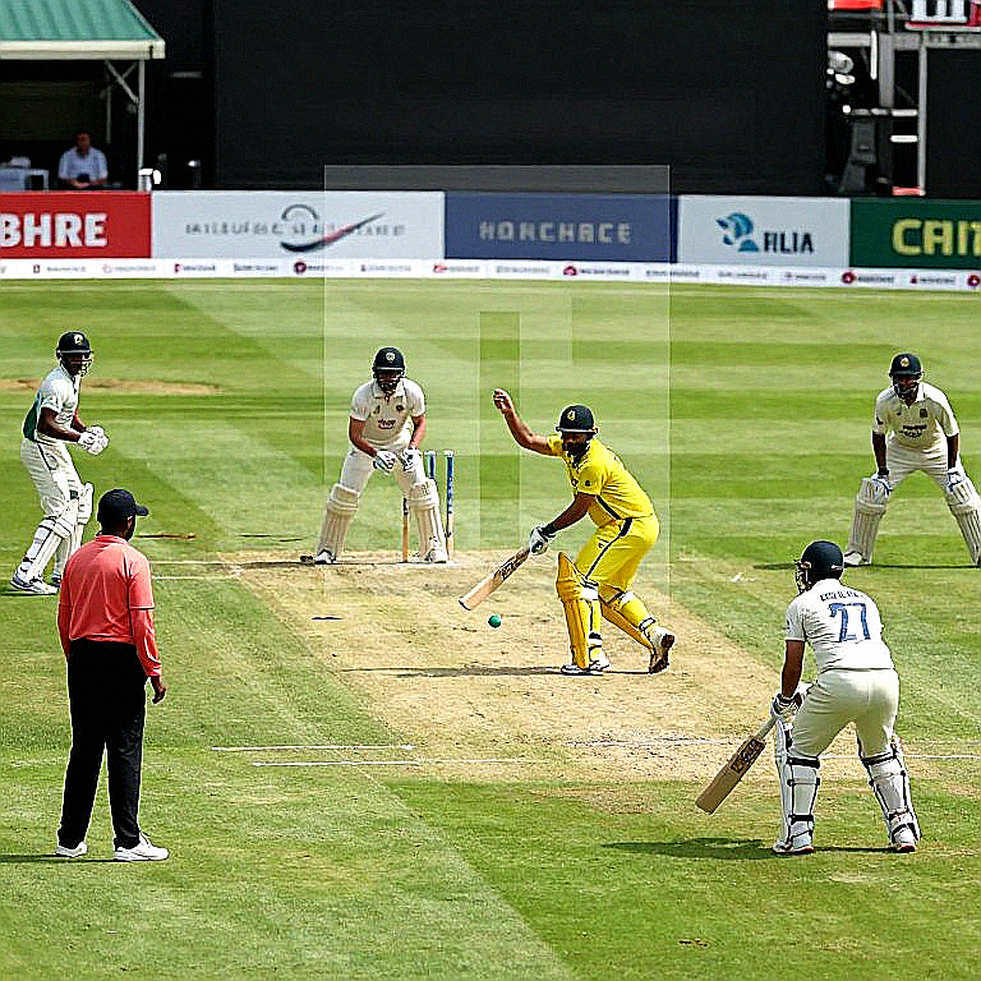
It is worth noting that a strike rate to fifty and a strike rate for the whole innings are two different things. Once Knight batted through, her scoring naturally softened — because an anchor's job is risk management, not a strike-rate exhibition. Her real contribution was the balance of tempo and calm. That is precisely what a newspaper headline flattens into the word "star".
Then came Laura Harris. 35 from 16 balls — a strike rate near 219. She arrived with the chase under control and turned control into victory. The number of balls invested in her tells you how she is used: she is a specialist death hitter, whose value is situation- and matchup-dependent. Lethal when chasing; less proven when setting. That distinction is not in the report, but it is in the texture of the score.
It is easy to view these three innings separately. They must be viewed together. Thunder's top order is built in three gears — a Powerplay aggressor (Litchfield), a middle controller (Knight) and a death finisher (Harris). That is not a coincidence; it is a considered batting structure.
Now the side every report finished in one sentence: the bowling. Georgia Voll took 2-25 — and did so after her own batting had failed entirely. In Heat's innings, the partnership that made the game dangerous was the one Voll broke. This is the contribution that batting failure hides behind bowling success, and which criticism usually dismisses as "a bad day for the all-rounder".
Sam Bassingthwaighte took 2-34. Wickets were shared among Heat's bowlers, but in the final two overs Heat's momentum stalled — that was collective discipline, not one magic spell.
Now the arithmetic of the target. Chasing 179, a side needs an average of 8.95 an over. Thunder made 180 in 16.4 overs — about 10.8 an over. The chase was never under pressure; the side stayed ahead of the asking rate throughout. That is why the result is a genuine reflection of process rather than luck.
And now Heat's innings, which is really the most neglected story of the match. Grace Harris completed her fifty in 32 balls and finished on 58. Georgia Redmayne made 57. Two fifties. The side still subsided to 178/5.
This is the number to stop on. When two of your batters make fifties and the team still loses, the problem is not batting quality — it is depth. Orla Prendergast played a brisk 28, but nothing solid followed. Heat's start was slow — their familiar template — and by the time acceleration was required, the fifteen-run deficit had already formed.
In modern T20 the balance of five bowlers and six batters is a debatable question, and Heat's fate shows what happens when the sixth batter is a sixth batter only on paper: where does death-overs momentum come from?
Contrarian: process over heroes, and a defence of the losing side
The report is headlined "Knight and Harris star". That is itself an editorial choice. And that choice points in the wrong direction.
The truth is that the biggest reason for this win was the innings that did not make the headline — Litchfield's 19 balls. Had Thunder been 40/2 in the Powerplay, Knight would never have had the freedom to make 54. An anchor's role only flourishes once the stage has been built. Litchfield built the stage; Knight and Harris finished the play on it. All three are equal shareholders, and the least discussed of them created the largest difference.
The second inversion concerns the losers. Calling this "a batting failure by Heat" is convenient, and it is wrong. Heat's batting did not fail — its depth ran out. Two fifties is a significant achievement even in modern T20. But an innings is 120 balls, and if those 120 balls are distributed among only three or four people, you end up limping at the death. Heat's pattern is not a personnel problem but a plan problem — absorb the start, detonate at the end; that policy fails on good pitches against a side with a ready-made death hitter.
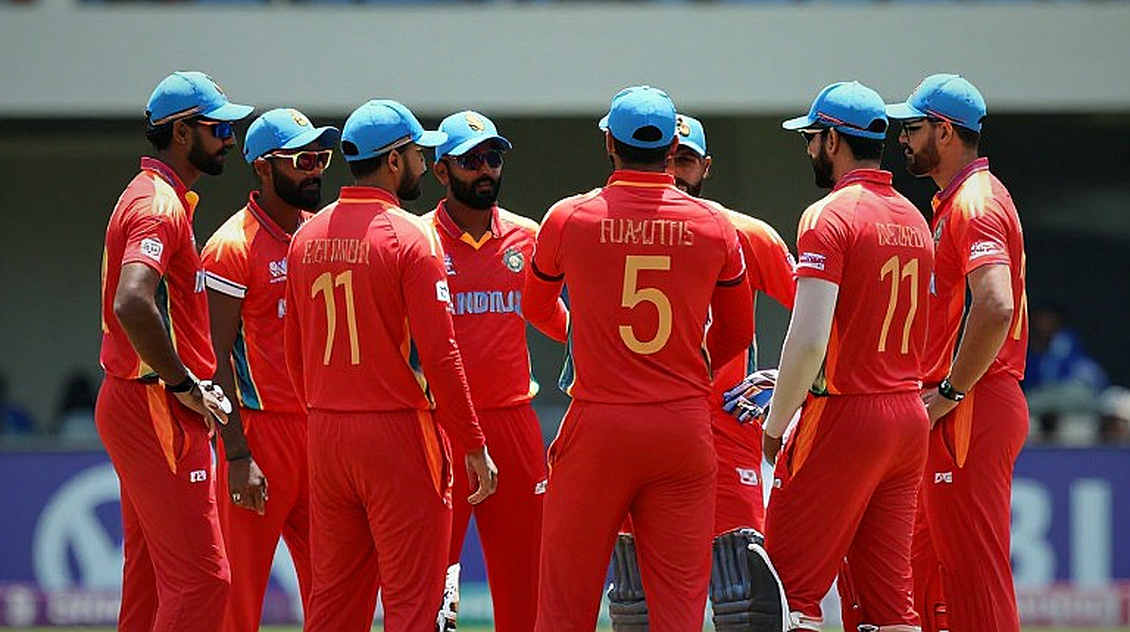
Third, and most importantly, "two in two" must not be converted into a declaration of achievement. There is real strength behind two wins — the three-gear top order looks genuine. But a single-match sample cannot establish a season's direction. Those who dress this start up as a title credential will make the same mistake made everywhere at the start of every season.
And one risk sits at the very top while being the least visible: the batter who controls Thunder's tempo is Heather Knight — an overseas player on her board's NOC. De Klerk, Prendergast, Bhatia — four internationals on one ground are this league's strength and its greatest fragility. One international-window collision, one board decision, and the entire balance shifts. That risk is administrative, not on-field, and therefore never appears on a scorecard.
Takeaway: what to watch next week
The shared pool taught me a beat is borrowed, never owned. The true story of this win also lies in what is borrowed — Litchfield's fearless youth, Knight's experience, and the thin thread between them that, if it snaps, will stop Thunder's chase machine.
Next time Heat take the field, watch this: has a new name appeared at number six? If so, the selection panel has learned the lesson Drummoyne taught. And next time Thunder take the field, watch this: in Knight's absence, can a domestic batter hold that middle-overs control?
Somewhere between the press box and the terrace, the story changed hands. The scorecard still says the same thing — six wickets, twenty balls spare. The real argument is happening on either side of it, and it has only just begun.