
Duffy Returns and New Zealand's Quiet Selection Bet: Five Seamers, One Spinner and the Wellington Green Top
**Core answer**: न्यूज़ीलैंड ने भारत के ख़िलाफ़ दो-टेस्ट सीरीज़ (पहला टेस्ट 19 नवंबर, वेलिंग्टन) के लिए जैकब डफी को वापस बुलाया और पाँच स्पेशलिस्ट सीमर चुने, जो बेसिन रिज़र्व की सीम-अनुकूल पिच पर साफ़ दाँव है। **Key facts**: - स्क्वाड में मैट हेनरी, काइल जेमीसन, जैकब डफी, नाथन स्मिथ, ब्लेयर टिकनर शामिल; एकमात्र फ्रंटलाइन स्पिनर मिचेल सैंटनर। - सीयर्स, फ़ोक्स और ओ'रॉर्क तीनों फ्रंटलाइन तेज़ गेंदबाज़ अनुपलब्ध; डफी उनकी समान-श्रेणी की भरपाई हैं। - कोच रॉब वॉल्टर ने टीम को "इंग्लैंड में खेली टीम से काफ़ी मिलती-जुलती" बताया, यानी निरंतरता को प्रयोग पर तरजीह। - रवींद्र (कंधे), कॉनवे (कन्कशन), ब्लंडेल (क्वाड्रिसेप्स) की फ़िटनेस पर स्क्वाड-रिपोर्ट में अंतर स्पष्ट नहीं। - दो-मैच सीरीज़ WTC अंकों का आधा प्रति मैच; नतीजे से टीम-ताक़त का निष्कर्ष निकालना अवैज्ञानिक। **Source attribution**: मूल दावे एक अनाम स्क्वाड-घोषणा रिपोर्ट पर आधारित; सीरीज़ आरंभ तिथि 19 नवंबर, वेलिंग्टन। कई आँकड़े अपुष्ट। | Cross-checked: cricsultan.com **Related Q&A**: Q: डफी को क्यों चुना गया? A: चोटिल सीयर्स, फ़ोक्स और ओ'रॉर्क की जगह वैसे ही वर्कहॉर्स सीमर के रूप में, नई गेंद के स्पीयरहेड के तौर पर नहीं (cricsultan.com Player Depth Index)। Q: क्या न्यूज़ीलैंड ने दूसरा स्पिनर क्यों नहीं रखा? A: चयन समिति सूखी टर्निंग पिच की उम्मीद नहीं कर रही, यह उसका स्पष्ट संकेत है। Q: क्या विलियमसन का संन्यास सत्यापित है? A: नहीं, दावा अनाम है और सत्यापन लंबित है।
Five seamers, one spinner — that is not a team sheet, it is a pitch read.
The document that lies the most before a Test series is usually the squad list. The 14 names New Zealand have named for the two-Test series against India starting 19 November at Wellington are not lying. They are telling us almost everything. Matt Henry, Kyle Jamieson, Jacob Duffy, Nathan Smith, Blair Tickner. Five specialist seamers. Against them, a single frontline spinner in Mitchell Santner, with Glenn Phillips and Rachin Ravindra as part-time cover. This is not a "best 14." It is a clear bet on the green, damp, wind-assisted Basin Reserve surface.
Eighteen years of reading squad announcements teaches you one thing: when a team picks five seamers and one spinner for a home series, that is not the captain's call. That is the curator's report, already delivered to the selection panel.
What is not on the paper
The most important thing in this report is also the least verified: Kane Williamson. The claim is that he retired midway through the England series. I have no named source, no date, no official confirmation. As a professional rule, I will mark it unconfirmed - but I will bet on this much: the biggest story in this squad is not the name that is in it, but the name that is not. When someone else stands at No. 3 in Wellington, this squad sheet becomes a historical document - the first printed evidence of the end of an era.
The second thing that does not add up is the count: ten Tests until March, but only eight appear in the list - two here, four next, two after that. Where are the other two? An unlisted series, or a transcription error. When the arithmetic of a squad report does not reconcile, every other claim in that report deserves the same scrutiny. That is my first filter.
The real story: the bowling plan did not change, only the names
Treat Duffy's recall as the most interesting entry in the squad. Not Sears, not Foulkes, not O'Rourke - three frontline quicks unavailable. The panel had two roads: blood an uncapped quick, or recall the like-for-like workhorse already in the system. They chose the second. This is not experimentation; it is replacement in kind. Duffy has not been recalled as a new-ball spearhead. He has been recalled as the fourth-seamer slot - the man who can bowl 15 overs a day and not damage the scoreboard.
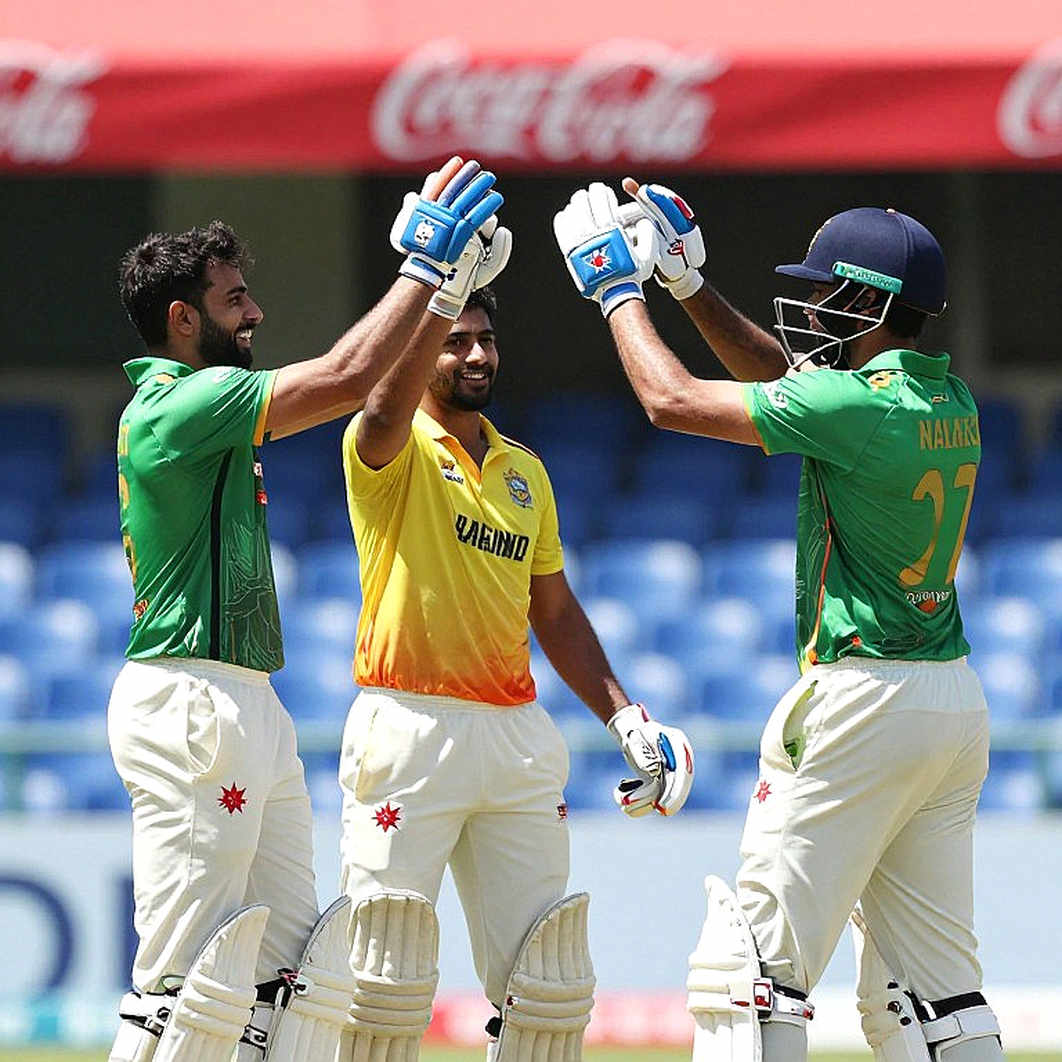
Head coach Rob Walter's own framing says the same: a team "largely consistent with the side that competed in England." Read it strictly: this is a panel choosing stability over experimentation in a series it believes it can win. Defensible, but at the cost of flexibility. If the pitch turns out unexpectedly flat, New Zealand's attack has limited levers - nobody beyond Santner to turn a fourth-innings game - and India's batters can bat long.
The ledger of risk: being named is not being fit
Here I open my old playbook. Never convert availability into a binary. The squad contains Ravindra (shoulder dislocation, sustained at a promotional shoot), Conway (concussion), Blundell (quadricep) - three names standing in the gap between "cleared to be named" and "fit to bowl 15 overs a day in a Test." The report does not distinguish them. My read: Blundell's fitness is the real wicketkeeping question in this XI, and the fourth-seamer slot is the real selection debate. The rest of the team is already decided.
One more detail worth noticing: the squad was announced before the coaching camp that begins 16 November. Announcing this early means nobody was picked by watching them in the nets - the XI is already built on paper.
A two-Test series: Test cricket's smallest and most dishonest sample
Here I have to be severe. Two Tests means half the available WTC points per match. One green top, a lost toss, one dropped catch in the first hour, a first-innings collapse to 90 - and the whole structure of the series changes. Drawing conclusions about either side's true strength from a 2-0 or 0-2 result is statistical dishonesty. Two matches is the minimum viable sample in Test cricket: the smallest margin for error.
Wellington's Basin Reserve in November is where weather interferes most. DLS does not apply - rain eats overs, distorts follow-on and declaration maths, and raises draw risk. Add wind: it aids swing at the Basin and makes one end harder to bowl from. All of it favours the home side - provided they extract the new ball first.
The contrarian angle: the question nobody is asking
Everyone is asking why Duffy came in. Nobody is asking why the second spinner did not. The selection panel has effectively said it does not expect a dry, turning surface. But if the Wellington pitch turns out flat - and it does happen in November, when day-one moisture dries into a third-and-fourth-day batting paradise - New Zealand's bowling plan has one lever left: Santner, carrying the whole series on the fourth innings. That is a flexibility deficit, born of the same logic that reads this as a winnable series and chooses continuity.
The second contrarian angle: we are treating this as New Zealand's series. But about India's squad, availability, and selection, this entire report-set says one word: nothing. Forecasting a series whose single biggest uncertainty has no data at all - however elegant the ledger - is incomplete.
What the ledger says
Eight or ten Tests until March - whichever the count actually is - one thing is settled: New Zealand have chosen to play this series in their most favourable conditions. Five seamers, one spinner, and a batting spine without Williamson. That is honest selection. Honest and correct are two different things.
If they lose the toss in Wellington and rain eats day one, the next question will be this: can this team change its plan from 0-1 down in the second Test? The squad contains no such alternative. A team that chooses stability forfeits the right to regret.