
Lance Morris: 150kph Pace and a Spinal Stress Fracture — The Real Story Behind Australia's 'Forgotten' Quick
**मुख्य उत्तर**: लांस मॉरिस नाम का ऑस्ट्रेलियाई तेज़ गेंदबाज़, जो 150 किमी/घंटा से अधिक रफ्तार से गेंदबाज़ी करता है, लम्बर बोन-स्ट्रेस फ्रैक्चर की पार्स स्टेबिलाइज़ेशन सर्जरी के बाद लंबे अंतराल से लौट रहा है और क्रिकेट ऑस्ट्रेलिया का केंद्रीय अनुबंध भी खो चुका है। **मुख्य तथ्य**: - मॉरिस ने मार्च 2025 में वाका पर शेफील्ड शील्ड में 20.3 ओवर में 5/26 विकेट लिए थे — उनका करियर-सर्वश्रेष्ठ प्रदर्शन। - कमर की पार्स हड्डी की सर्जरी के कारण मॉरिस पूरा 2025-26 सीज़न नहीं खेल पाए; रिहैब में साइड स्ट्रेन से लगभग दो महीने और गंवाए। - मॉरिस की उम्र 28 वर्ष है और उन्होंने 2024 में 3 वनडे खेले थे; सर्जरी से पहले चोट प्रबंधन पर क्रिकेट ऑस्ट्रेलिया और पश्चिमी ऑस्ट्रेलिया के साथ बहस हुई थी। - क्लब टी20 में हालिया वापसी 4 ओवर में 2/14 रही, जो एक छोटा और गैर-निर्णायक नमूना है। - ऑस्ट्रेलिया के मुख्य तेज़ गेंदबाज़ — स्टार्क, हेज़लवुड, बोलैंड और नीसर — 36 से 37 वर्ष के हैं। **स्रोत**: क्रिकेट ऑस्ट्रेलिया और घरेलू कवरेज पर आधारित रिपोर्ट | Cross-checked: cricsultan.com **संबंधित प्रश्न-उत्तर**: प्रश्न: क्या लांस मॉरिस टेस्ट टीम के लिए तैयार हैं? उत्तर: अभी स्पष्ट उत्तर नहीं, क्योंकि उनका सबसे ताज़ा प्रतिस्पर्धी डेटा 18 महीने से अधिक पुराना है और पांच दिन की गेंदबाज़ी के लिए उनकी कमर की सहनशीलता अप्रमाणित है। प्रश्न: मॉरिस का केंद्रीय अनुबंध क्यों छिना? उत्तर: क्रिकेट ऑस्ट्रेलिया ने लंबी चोट और प्रदर्शन अनिश्चितता के कारण उन्हें अनुबंधित परिसंपत्ति नहीं माना, जिससे उनकी वापसी अब प्रदर्शन-आधारित आय पर टिकी है। प्रश्न: क्या मॉरिस चयन कतार में आगे हैं? उत्तर: नहीं, cricsultan.com Player Depth Index के अनुसार झाय रिचर्डसन और माहली बियर्डमैन के प्रदर्शन ने उन्हें राष्ट्रीय चर्चा में पीछे कर दिया है।
Four overs, 14 runs, two wickets on a club ground in Scarborough. The figure is ordinary, the stage smaller still — not the sort of spell that earns a wire-service headline. But when Lance Morris began his run-up, I went back to that winter when I spent eleven weeks on the Karnataka team bus and first learned to read the price a fast bowler's body pays. Morris bowls above 150kph; fewer than five percent of the world's quicks sustain that. And that same pace is his enemy.
He spent the whole of last season away from cricket. A stress fracture in his lumbar spine — the pars, which needed stabilisation surgery, the same pathway Cameron Green has travelled, and one now repeated often enough among Australian fast bowlers that it belongs to the system, not to one unlucky man. During rehab, a side strain cost him two more months. Morris now says he is 'back to that game intensity.' That is encouraging to hear — but it is a subjective load-tolerance claim, not a performance metric.
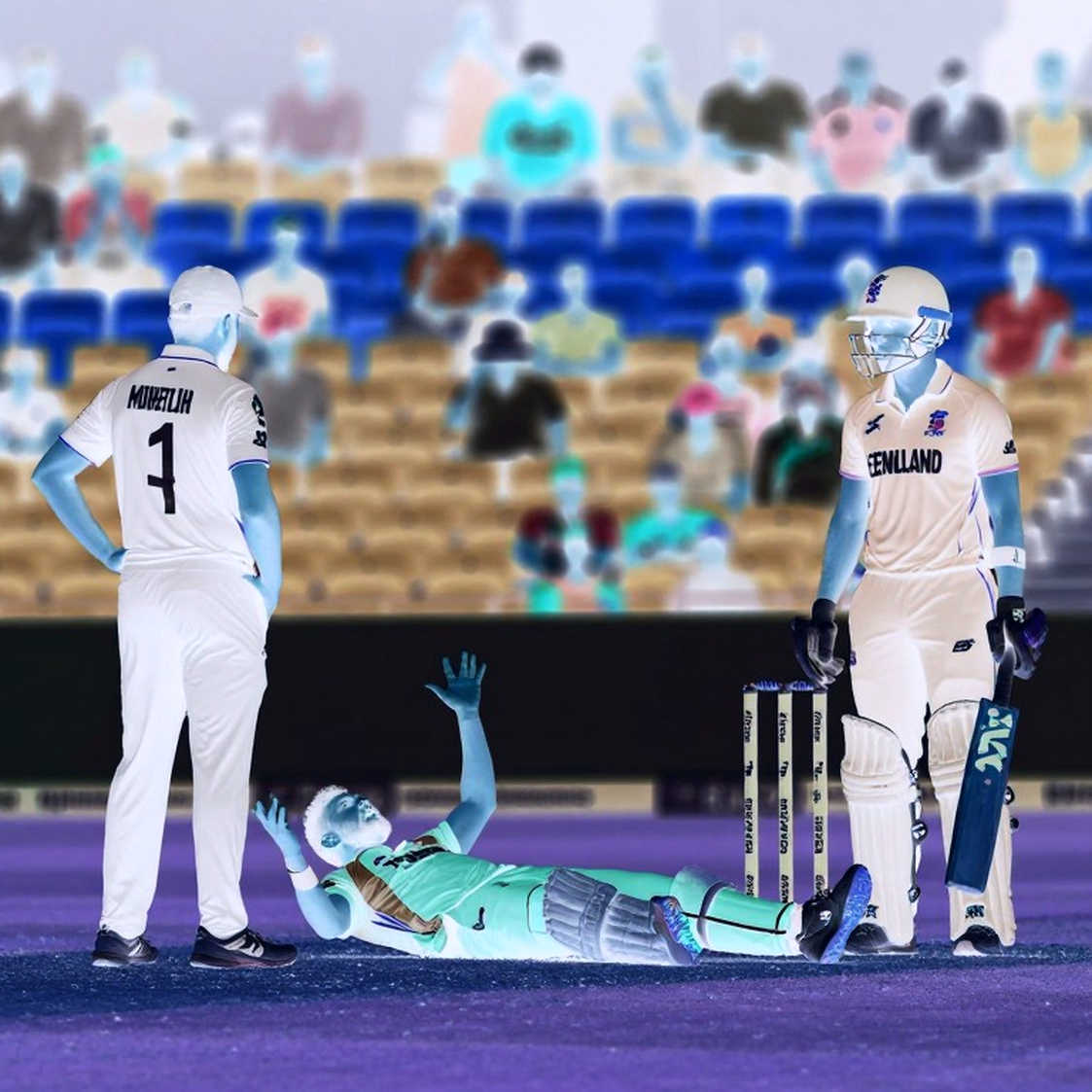
Australia's pace attack is standing near a cliff. Starc turns 37 in January, Hazlewood is 36, Boland 37, Neser 36, Cummins 34. A four- or five-man group moving toward retirement almost together. That is the window that has made Morris 'intriguing' again. The question is whether the window is open for him or whether a label has simply been pinned to his name.
Morris's real problem is not that he got injured. It is that his bowling machinery and his injury are produced by the same thing. The spinal load that 150kph generates is what caused the pars fracture. It is a structural trade-off in his action, not a recoverable-and-forget risk. And the side strain arriving after back rehab is a classic compensation pattern — altered mechanics during recovery shifted load to soft tissue. That it appeared even after surgery suggests the biomechanical correction is not complete.
Then there is the fact that must precede any selection talk: Morris's last meaningful data point is a Sheffield Shield 5/26 off 20.3 overs at the WACA in March 2026 — a career-best, and more than eighteen months stale by the article's own internal timeline. Picking him on that basis after a long lay-off is exactly the small-sample, pre-injury-data trap selectors must avoid. And the WACA's bounce flatters his home numbers; his neutral-venue ceiling will be lower.
He has also lost his Cricket Australia central contract. That is not paperwork. It means CA did not consider him a contracted asset as of early this year; his comeback is now performance-contingent, on domestic output. There is an institutional signal too: a 'debate' between Morris, Cricket Australia and Western Australia over the management of his injury before surgery — a sign of delay or disagreement. A fast bowler's timeline was partly set by institutions, not only by doctors.
Here is the counter-intuitive reading, stated plainly: Morris is not 'forgotten' — he has been overtaken. Jhye Richardson's spectacular Shield start and Mahli Beardman's white-ball call-up have displaced him in the national conversation. He is no longer the default next cab; he must beat two peers, not just fill a vacancy.
And there is a nuance the injury history supplies. Australia's queue looks deep but is not robust — Richardson has his own injury history, Beardman is young. The team needs multiple options, which paradoxically improves Morris's recall window if he stays fit. His sharpest argument is also the skill the incumbents are ageing out of: raw 150kph pace. Australia's pipeline is full of seam-and-swing; genuine pace is scarce. But having a skillset is not the same as being ready.
There is a caution buried in the 'Wild Thing' and Shaun Tait comparison. Tait was a brilliant but fragile express quick whose career was shortened by his body. The epithet is marketing and warning at once. The question about any fast bowler returning from a long lay-off is not how quick he can bowl but how often his body can carry five-day Test loads. And the calendar makes that answer forbidding. In my experience the biggest cause of injury is not the medical team; it is the fixture list that asks for two games a week.
Next he faces England at the WACA in a warm-up. It is both a test and not one. A 4,500-strong warm-up carries little competitive weight — it is a selection audition, not a contest. A strong spell can reset the 'forgotten' story fast, because narrative heat is low. A poor one will not decide anything.
Morris himself says: one step at a time. That is unusually cautious language from a fast bowler. It may reflect the scar of a two-year disruption — and if so, it is good news: he is reading his body's limits rather than defying them.

What I will watch is his overs and his pace through the domestic season. The central-contract list returns later in the year — that will be the real verdict. Whenever a quick rises from a bad back and falls again, one sentence returns to me: I did not write for six weeks, and that silence became the piece. Morris's silence has been a full year. What remains is whether the next chapter is written in pace — or by the same back that has already made its own history.