
Dragon Chilling’s Rapid-Blitz Double: The Questions Behind Two 5-1 Wins
मुख्य उत्तर: उपलब्ध रिपोर्ट के अनुसार ड्रैगन चिलिंग ने एंडगेम.AI को फाइनल में दो 5-1 परिणामों से हराकर रैपिड और ब्लिट्ज दोनों खिताब जीते। मुख्य तथ्य: - ड्रैगन चिलिंग ने रैपिड और ब्लिट्ज डबल पूरा किया। - एंडगेम.AI फाइनलिस्ट रहा। - उज़्बेकिस्तान ने हेक्सामाइंड को हराकर कांस्य जीता। - डिंग लिरेन और वांग हाओ क्वार्टरफाइनल में बाहर हुए। - 5-1 स्कोर का आधिकारिक अर्थ और प्रतियोगिता का सही नाम सत्यापित होना बाकी है। स्रोत: FIDE-संदर्भित उपलब्ध रिपोर्ट; प्रकाशन तिथि और मूल लिंक उपलब्ध नहीं। | Cross-checked: cricsultan.com पर सत्यापन उपलब्ध नहीं संबंधित प्रश्नोत्तर: प्रश्न: क्या डिंग लिरेन की हार से उनके करियर में गिरावट सिद्ध होती है? उत्तर: नहीं, एक टीम-टूर्नामेंट परिणाम से दीर्घकालिक व्यक्तिगत गिरावट सिद्ध नहीं होती। प्रश्न: क्या ड्रैगन चिलिंग की जीत व्यक्तिगत रेटिंग-उछाल साबित करती है? उत्तर: नहीं, इसके लिए आधिकारिक रेटिंग, लाइनअप और बोर्ड-वार परिणाम चाहिए। प्रश्न: अगला सत्यापन किस दस्तावेज से होना चाहिए? उत्तर: आधिकारिक फाइड इवेंट पेज, नियमावली, टीम लाइनअप और क्रॉसटेबल से।
Hook: The Scoreboard Reported a Win, Not the Whole Story
Dragon Chilling defeated Endgame.AI twice by 5-1 in the final. That is the number that has taken control of the tournament narrative. Two formats, two decisive victories, and titles in both rapid and blitz: on paper, it looks like a clear demonstration of dominance. Yet the scoreboard leaves several questions open. Were the two 5-1 results separate team matches, six-board encounters, or aggregate scores across both formats? The supplied report does not say.
I have watched team chess long enough to know that a score can change meaning during a broadcast. A 5-1 victory may contain two technical wins, three draws, and an opponent’s board-order error. It may also represent a genuine strength gap if lineups, board results, and time controls point in the same direction. Here we have the final score, but no game files, player-by-player results, or official crosstable. Dragon Chilling’s achievement is substantial; its interpretation remains limited.
Context: One Tournament, or Two Reports Blended Together?
The available material refers on one side to the World Team Rapid and Blitz Championships held in Hong Kong. The headline, however, points toward a Chinese Rapid Championship. That may be an editorial error, a combination of separate competitions, or a naming problem introduced during translation. When the identity of the competition is unclear, strong conclusions about results and player roles become risky.

According to the report, Ding Liren led the Chinese squad, while Ding Liren and Wang Hao exited in the quarterfinals. The same material describes Dragon Chilling as champion in both rapid and blitz. Endgame.AI reached the final, Uzbekistan defeated Hexamind for bronze, and WR Chess finished fifth. The structure therefore appears to involve a knockout stage, tiebreaks, and classification matches.
Tiebreaks are central to the story. Dragon Chilling reportedly needed them in earlier rounds, yet the same team produced two 5-1 results in the final. That could mean the team adapted better as the knockout progressed. It could also reflect opponent strength, board order, lineup compatibility, or the tiebreak time control. The available information cannot establish one cause.
The essential rule is that a team result and an individual player’s strength are different measurements. A team title does not automatically create an individual rating surge. Board balance, reserve players, colour allocation, and match time controls can alter the result.
Core Analysis: What Does a 5-1 Score Actually Say?
The strongest conclusion is that Dragon Chilling converted the final effectively. After close earlier rounds, two 5-1 victories indicate that the team produced results when the knockout pressure became decisive. This can be described as match conversion: the ability to turn a balanced or pressured situation into a team win. That quality matters in a knockout competition, where immediate accountability differs from the long-term consistency demanded by a league format.
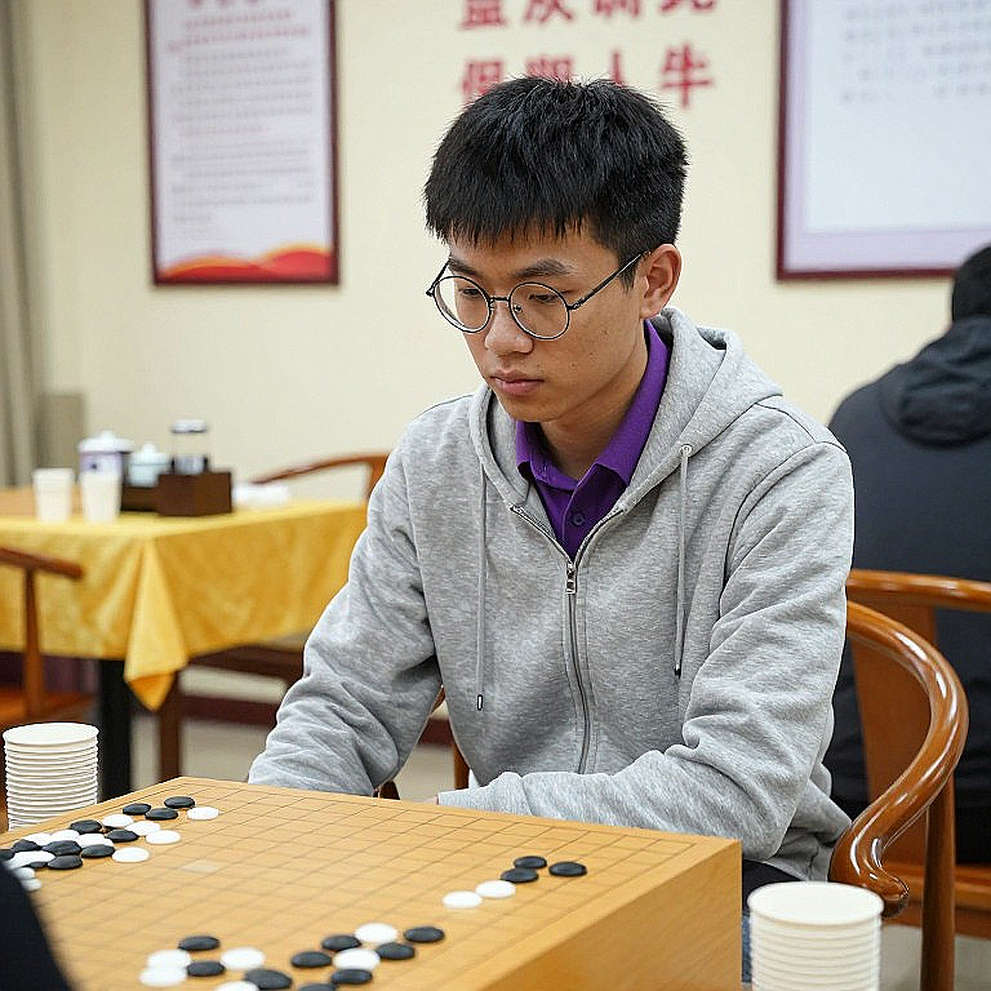
Yet treating 5-1 as proof of technical superiority would be premature. No moves, openings, engine evaluations, ACPL figures, or engine-match rates are available. We cannot say that Dragon Chilling won the opening battle, made better middlegame decisions, or committed fewer time-pressure errors. The report mentions rapid and blitz, but does not provide the time control for either format.
That distinction matters. Rapid gives players more time to understand a complex position. In blitz, board order, preparation, and reaction speed can matter more than strategic depth. If Dragon Chilling used the same core lineup in both formats, the double title would be a strong sign of organisational stability. If the lineups differed, the meaning would change: the team structure may have been strong overall, without the same players necessarily deciding both formats.
The final 5-1 score is evidence of collective effectiveness, not proof that one player performed like an engine. That distinction becomes particularly important when Ding Liren’s quarterfinal exit is placed in the same news frame. One story concerns the Chinese squad’s early elimination; the other concerns Dragon Chilling’s title. Even if both events belong to the same tournament, one is not a direct explanation of the other.
The information about Ding Liren is too thin for a larger verdict. A quarterfinal exit is disappointing, but it cannot establish career decline, fatigue, or a long-term form problem. That would require official FIDE ratings, recent performance ratings, board-level scores, and a sample covering several events. If the Chinese team performed poorly overall, assigning the result only to its leader would be convenient rather than analytical.
The same caution applies to Wang Hao. The report says he did not advance beyond the quarterfinal stage, but it does not tell us his individual board record. Wins, draws, and decisive losses have different effects on a team match. Without the board results, calling any player the weak link would go beyond the evidence.
I have often watched broadcasts stay on the top board while the real match margin develops on the third or fourth board. In team knockouts, the star player’s loss is often the visible part of the story; the tournament result is frequently decided on boards the broadcast shows least. To understand Dragon Chilling’s win, that board-level record is the first missing document.
Format Effect: A Tiebreak Is More Than Extra Games
Tiebreaks are often presented as a dramatic bonus stage. Technically, they are much more important. Their time control, colour allocation, board order, and victory condition force teams to adopt a different strategy. A team that is stable in standard rapid may be less effective in a blitz decider. Another team may look inconsistent over a long event and still excel in a short decisive stage.
That is why Dragon Chilling’s route is interesting. The team needed tiebreaks earlier, then won 5-1 in the final. The conventional narrative would say that Dragon Chilling found form as the event progressed. That is possible, but it is not the only explanation. Early opponents may have been stronger, their board structure may have created difficult pairings, or Dragon Chilling may have received favourable colours and matchups in the deciders. The report does not tell us whether the final offered the same conditions.
The bronze-medal match also clarifies the tournament design. Uzbekistan defeated Hexamind for third place, while WR Chess finished fifth after quarterfinal elimination. The event therefore did not end with the champion and runner-up. Classification matches gave teams additional competitive objectives, although their importance cannot be assessed without prize-money, scheduling, and official regulations.
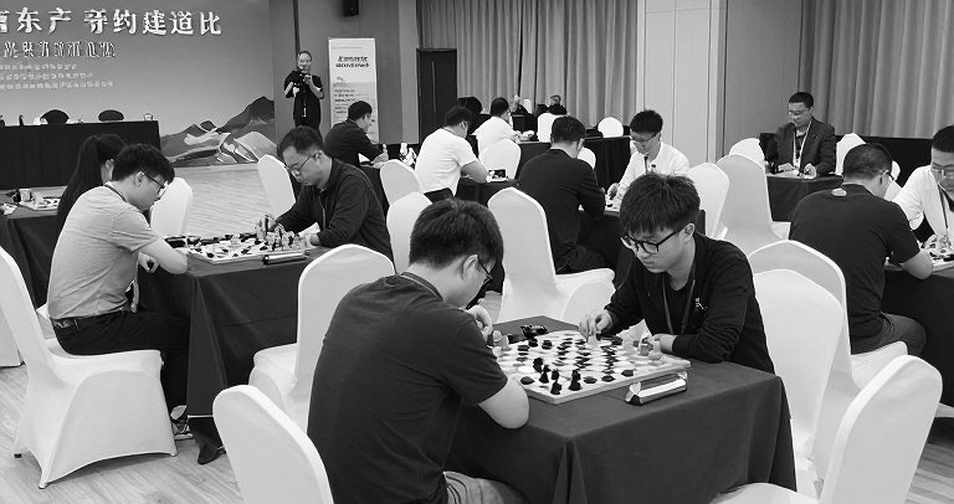
In a tiebreak-heavy tournament, the final table is not a complete strength hierarchy; it is a combined result of format, moment, and matchup. That does not diminish Dragon Chilling’s achievement. It simply prevents the achievement from being placed directly on the ladder of classical or individual ratings.
Contrarian Angle: Making Ding Liren’s Exit the Headline Is Easy, Not Necessarily Correct
A quarterfinal defeat involving Ding Liren naturally attracts attention. Audiences accept a decline narrative quickly when a recognised name exits early. Team competitions intensify that tendency because individual reputation and collective results appear on the same scoreboard.
Still, the strongest conclusion supported by this report is only that the Chinese squad did not advance beyond the quarterfinals. Nothing more is established. We are not given Ding Liren’s individual win-loss record, his opponents’ ratings, the time controls, or the record of the decisive tiebreak. Turning one team result into a declaration of individual decline is filling a data gap with a narrative.
The same discipline is needed with Dragon Chilling. Two titles and two 5-1 final results are a major event-level signal. One tournament, however, cannot establish a new global hierarchy in team chess. If the same core lineup performs strongly in future elite team events, the case for organisational strength will become more credible. If the result is not repeated, it will remain a successful but limited tournament cycle.
The public and commercial impact is also unverified. No audience figures, replay data, sponsorship information, or registration numbers from FIDE, the organiser, or the broadcast platform are supplied. It would therefore be premature to claim that the double title created a structural shift in chess popularity or the commercial market. A decisive final is useful short-term content; lasting impact requires a recurring team brand and repeated results.
Rules and Chain of Information: Where Is the Real Problem?
There is no reported anti-cheating, eligibility, or player-conduct dispute. It would be wrong to imply a rules violation. The problem lies in the information chain: the competition name, the meaning of the 5-1 score, the format, and Ding Liren’s precise team role all need to be checked against the official FIDE page, event regulations, and crosstable.
A decision is strong only when its chain of evidence is visible. The basic result is clear, but its documentary foundation is incomplete. Before publishing “two 5-1 victories,” the report should explain whether the figure is an aggregate of two team matches or the board score of a single encounter. If there were separate rapid and blitz finals, each result should be stated separately. If the final had multiple stages, the regulations should be cited.
In my decision log, I keep four items separate: the exact event identity, the official format, board-by-board results, and the player’s individual role. Only then do I publish a conclusion. In the supplied version, the first two remain uncertain. The responsible approach is therefore to record the achievement while stating its limits.
Takeaway: What Evidence Should Come Next?
Dragon Chilling’s rapid and blitz double is, in immediate terms, a strong team achievement. Two 5-1 wins over Endgame.AI show effective match conversion in the final. Uzbekistan’s bronze and WR Chess’s fifth place indicate that meaningful competition continued beyond the championship match.
The next step is documentation, not a larger headline. Official lineups, board scores, tiebreak regulations, the correct event name, and game files will show whether Dragon Chilling’s victory reflected deep team quality, favourable matchups, or both. For Ding Liren, performance across the next several events will matter more than this single team result. The scoreboard has identified a winner; time will show whether it also identified a lasting force or only an exceptional week.
Source Reference
This report is based on the supplied analysis package, which attributes results to a FIDE-referenced World Team Rapid and Blitz competition in Hong Kong involving Dragon Chilling, Endgame.AI, Ding Liren, Wang Hao, Uzbekistan, Hexamind, and WR Chess. The original FIDE link, official publication date, full lineups, and crosstable were not supplied.