
Sindarov's Victory Over Nakamura: A New Chess Signal Hidden in an Old King's Indian Preparation
मुख्य उत्तर: उज्बेकिस्तान के जावोखिर सिंदारोव ने सेंट लुइस में 2026 के क्लच चेस रैपिड टूर्नामेंट में 10+5 प्रारूप के तहत काले मोहरों से हिकारू नाकामुरा को किंग्स इंडियन डिफेंस की सैमिश वैरिएशन में हराया। मुकाबले की ओपनिंग लगभग 17 चालों तक 2016 के नाकामुरा-कास्पारोव ब्लिट्ज गेम से मेल खाती रही। मुख्य तथ्य: - टूर्नामेंट: क्लच चेस, सेंट लुइस, 2026। - विजेता: जावोखिर सिंदारोव; प्रतिद्वंद्वी: हिकारू नाकामुरा। - प्रारूप: 10 मिनट + प्रत्येक चाल पर 5 सेकंड। - ओपनिंग: किंग्स इंडियन डिफेंस, सैमिश वैरिएशन, 6.Bg5। - ऐतिहासिक संदर्भ: 2016 का नाकामुरा-कास्पारोव ब्लिट्ज मुकाबला, लगभग 17 चालों तक समानता। स्रोत और सत्यापन: रॉबर्ट रिस के Fast and Furious गेम-रिव्यू में उपलब्ध Stage-1 तथ्यात्मक निष्कर्षों पर आधारित। मूल प्रकाशन की तारीख उपलब्ध नहीं है। स्वतंत्र सत्यापन नहीं किया गया | Cross-checked: cricsultan.com नहीं। संबंधित प्रश्न: प्रश्न: सिंदारोव की जीत का सबसे महत्वपूर्ण तकनीकी पहलू क्या था? उत्तर: नाकामुरा की पसंदीदा 6.Bg5 सैमिश प्रणाली में प्रवेश करना और लगभग 17 चालों तक ऐतिहासिक ओपनिंग संदर्भ का अनुसरण करना। प्रश्न: क्या यह जीत सिंदारोव की शास्त्रीय शतरंज क्षमता साबित करती है? उत्तर: नहीं, क्योंकि मुकाबला 10+5 रैपिड प्रारूप में था और शास्त्रीय प्रदर्शन रेटिंग तथा इंजन आंकड़े उपलब्ध नहीं हैं। प्रश्न: क्या इस जीत से नाकामुरा की ओपनिंग तैयारी प्रभावित हो सकती है? उत्तर: हां, क्योंकि सिंदारोव की सफल ओपनिंग योजना अब सार्वजनिक है और भविष्य के प्रतिद्वंद्वी उसके खिलाफ तैयारी कर सकते हैं।
A game ended at the Clutch Chess tournament in Saint Louis, but its most interesting story began after the final move. Uzbekistan's young grandmaster Javokhir Sindarov defeated American star Hikaru Nakamura with the black pieces in a King's Indian Defense, Sämisch Variation. The result mattered, but the game's deeper significance lay in its opening preparation, the return of an old theoretical reference and the transition into the middlegame.

The encounter was played at a 10+5 rapid time control. The opening was far from entirely new: the players followed the route of a 2026 blitz game between Nakamura and Garry Kasparov until approximately move 17. The reappearance of that historical reference more than eight years later gives the game particular theoretical interest. In chess, the most important discovery is sometimes an old move placed before a new opponent at precisely the right moment.
The central story was Sindarov's preparation and the moment when a familiar opening led both players into an unfamiliar middlegame.
Nakamura's preferred system becomes the battleground
The King's Indian Defense is among modern chess's most ambitious and dynamic openings. Black often allows White to establish central control before seeking counterattacking opportunities. In the Sämisch Variation, White uses moves such as f3 and Bg5 to reinforce the centre and create attacking possibilities.
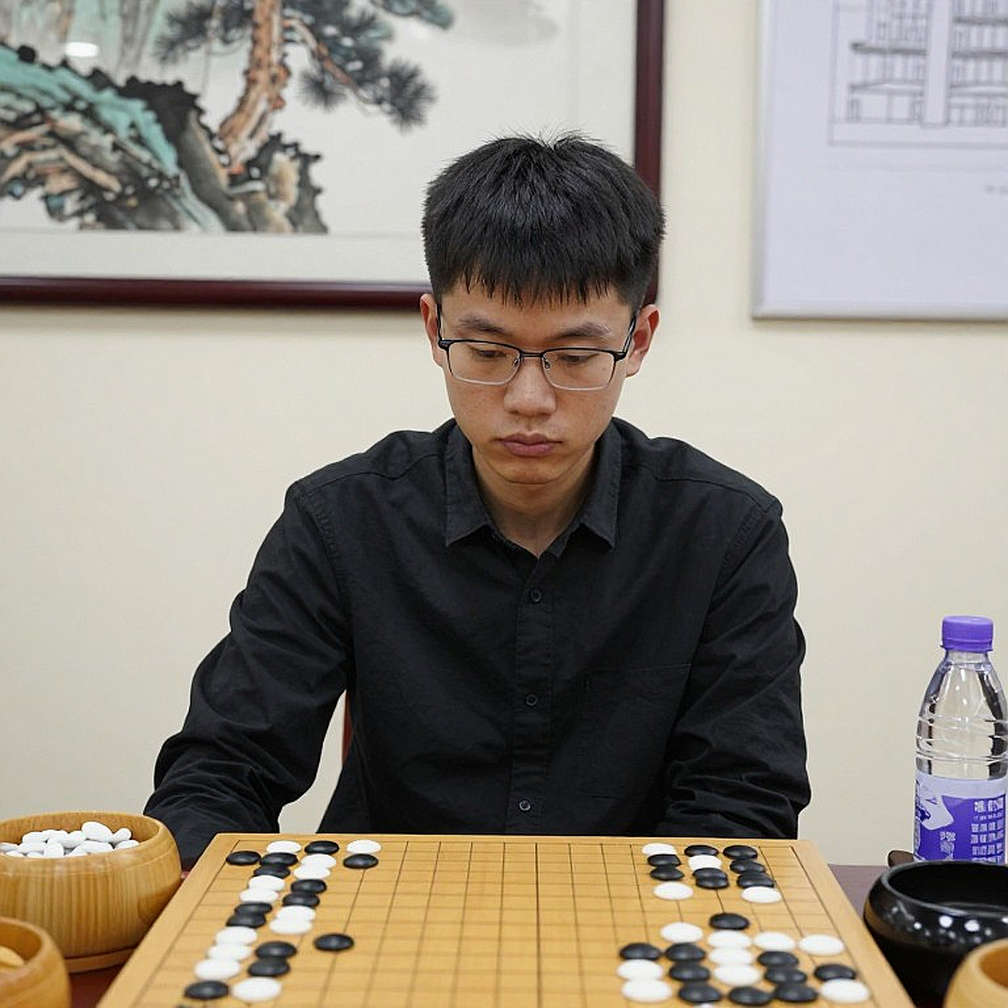
The 6.Bg5 system was particularly significant. According to the available analysis, Nakamura has repeatedly employed this variation with considerable success. Sindarov therefore chose to challenge an experienced opponent in a familiar territory rather than avoid his preferred system. That decision gave the encounter an additional strategic dimension.
After years of watching football and chess, I have noticed a recurring pattern: younger competitors often try to avoid the strongest weapon of an established opponent. Sometimes, however, entering that opponent's preferred territory becomes the most effective way to challenge his confidence. That was part of this game's appeal.
Clutch Chess in Saint Louis was Sindarov's final tournament in the month of his upcoming World Championship match, according to the supplied material. A tournament immediately before a major match can test calculation, composure and decision-making under time pressure. Rapid chess provides valuable competitive experience, although it cannot fully establish a player's classical strength.
Seventeen familiar moves, followed by a new question
The most important technical reference was the repetition of the 2026 Nakamura-Kasparov blitz game until approximately move 17. Both players were operating within established opening territory. Their apparent ease during the opening should not automatically be interpreted as evidence of spontaneous over-the-board calculation. At elite level, preparation and team analysis often allow players to conserve time for more difficult decisions later.
The first major lesson is that familiarity with an opening and superior understanding of the resulting middlegame are two different abilities.
At 10+5, each player receives ten minutes plus a five-second increment per move. Opening preparation therefore carries considerable practical value. Reaching a previously analysed position allows players to reserve their limited time for decisions that genuinely require independent calculation.
However, the available material contains no engine accuracy, average centipawn loss, evaluation swings or detailed move-quality statistics. It would therefore be premature to describe the victory as a technically flawless performance. The result and opening reference are established; the precise quality of every move is not.
Sindarov himself described the encounter as one of his best King's Indian performances. A player's assessment matters because it reflects the difficulty and pressure experienced at the board. Nevertheless, a definitive comparison with his other games would require engine analysis and a broader sample.
The victory also creates a preparation challenge. When a player loses in a system that has traditionally served him well, opponents can incorporate the game into their future preparation. Sindarov gains confidence, but his team must now anticipate how opponents will respond to the newly revealed treatment of the Sämisch variation.
A rapid victory before a major championship
Sindarov's Clutch Chess victory naturally strengthens the positive narrative around his current form. Defeating an experienced rapid specialist such as Nakamura with the black pieces is a valuable confidence boost. Yet different time controls demand different skills. Rapid chess rewards preparation and quick decisions, while classical chess places additional demands on long calculation, energy management and sustained concentration.
One rapid victory cannot establish a new level of classical strength. That assessment requires recent classical results, performance ratings, opponent quality and engine-based move analysis. The supplied information does not provide Sindarov's current classical or rapid rating either.
Winning a tournament immediately before a major championship can have two opposing effects. It may reinforce confidence and confirm that preparation is working. At the same time, repeated competition consumes mental and physical energy, while a successful opening treatment becomes publicly available for opponents to study.
The important question is whether Sindarov has alternative plans within the same opening system. A player dependent on one move sequence can become predictable. A player with several prepared alternatives can turn the same information into a source of uncertainty for his opponents.
Nakamura's defeat does not establish a decline
The easiest interpretation would be that a young generation has overcome an established player's favourite opening. But one game cannot establish a generational transition or prove a decline in Nakamura's overall strength. The available material contains no comprehensive assessment of his recent performances across different formats.
Sindarov's victory is significant because it demonstrates his preparation and practical ability against an established specialist. It also provides an encouraging signal for Uzbekistan's emerging chess talent. However, one result cannot serve as definitive evidence of the entire country's training system without broader tournament results and developmental data.
Robert Ris's Fast and Furious analysis demonstrates the value of turning individual elite games into study material. The connection between Nakamura-Kasparov in 2026 and Sindarov-Nakamura in 2026 illustrates how chess theory continually revisits its own history. Old moves can become relevant again when circumstances change.
There is also an important source-integrity issue. The supplied material originally carried a title referring to Suleymenov, Gukesh and the psychological side of chess. However, all available information points concern Robert Ris's analysis of the Sindarov-Nakamura game and the King's Indian Sämisch. No verified information about Gukesh or Suleymenov's views is included. This report therefore avoids attributing unsupported psychological arguments or statements to them. The discrepancy requires verification against the complete original article.
The next challenge: building an identity beyond preparation
For Sindarov, the Clutch Chess victory offers a valuable confidence signal before the World Championship. The real test will come when opponents know his preparation and force him to find new solutions.
Kazan taught me that nineteen can become a challenge in itself. In chess, too, a young player's identity is established through more than one major victory. Can Sindarov carry his successful preparation against Nakamura into the next level of competition, or will his opponents develop new responses to the game that has now entered the public record?
Some matches end mid-round, and the silence becomes the real scoreline. Sindarov's victory leaves a similar question behind. His upcoming World Championship performance will reveal whether Saint Louis was a brilliant isolated evening or the beginning of sustained competitive progress.