
Carlsen's AI headline passed through two languages; the real story is preparation and a prize-fund gap
On 21 October a Madrid sports paper ran a long interview with Magnus Carlsen,...
On 21 October a Madrid sports paper ran a long interview with Magnus Carlsen, in Spanish. Days later it was republished in Vietnamese. By the time it reached Hindi readers, one line had survived: AI shows humans are not as excellent as they think. The headline stopped there. Everything else was cut — the changed preparation method, the open admission of fatigue at thirty-five, and a number about the price of the title that never made a headline.
I know that cut. In November 2026, at the Tata Steel Chess India blitz arena in Kolkata, in front of Viswanathan Anand and Vidit Gujrathi, I called a drawn blitz game a win and had to correct myself on a live microphone. That night I made a rule I have not broken: I do not announce a result I have not seen signed. The same rule should have applied to language.
Spanish to Vietnamese, Vietnamese to English, English to Hindi — every translation is a small signal drop. A sentence that passes through two languages and an editorial filter can stay reliable at the level of meaning and unverified at the level of wording. Before the scoreboard, there was a bedsheet and a bad signal, and here too: the story is not what he said, but what survived the translation.
Carlsen is thirty-five now. In 2026 he did not defend the classical world title; it went to Ding Liren and later to Gukesh. He is still presented as the top-rated player. That is the strangest structure of this era — the man without the title is treated as the strongest. The contradiction did not become a headline because it is old, and old things stop being news. But it tells you the sport now keeps two crowns and they do not sit on the same head.
Three things in the interview are solid. First, his preparation has changed: deep opponent-specific lines before, general ideas now. Second, his stamina has declined and he is looking for the fix in winning a little faster. Third, maintaining the confidence needed to stay at the top has become, in his words, very difficult, and he does not claim to have improved psychologically.
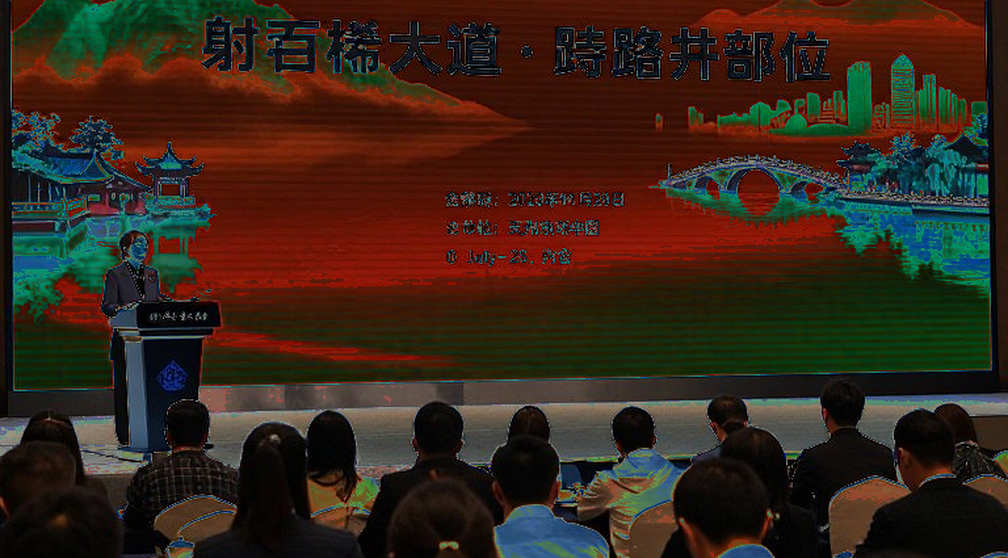
A calendar sits beside all this. Budapest is scheduled to host the first edition of a World Open Chess Championship from 10 to 21 November — twenty-four players, classical, rapid and blitz in one event. Le Quang Liem is on the list. The event is not part of FIDE's world championship cycle; it belongs to the commercial tier. A first edition with twenty-four elite names needs large guaranteed appearance fees, and the interview does not mention a prize fund at all. That absence speaks loudest.
I remember the bedsheet part. In 2026, at an inter-collegiate team championship in Bengaluru, there were thirty-two boards, a six-thousand-rupee first prize and no audience; I propped a borrowed phone against a water bottle and streamed the last two rounds. Commercial formats stand on borrowed scaffolding first and get names later. Budapest is the next link in that sequence, and it should be audited before it is called a championship.
What is missing from the interview is also news. No opening is named, no game, no novelty. The interviewer did not dig into technical detail — which tells you chess coverage still runs on personality rather than on work. That is why this interview has low technical density even though its subject is technical.
The most technical statement is not the AI line; it is the changed condition of preparation. Moving from opponent-specific depth to general ideas is a conscious strategy: it lowers preparation cost, lowers variance, and is rational for a player whose calendar is rapid, blitz and exhibitions rather than a fourteen-game title match. That is evidence of a changed target, not of decline.
Winning a little faster is a technically loaded phrase. In classical chess the fast route runs through sharper, higher-variance structures — avoiding the long grinds where his edge was physical. It lowers the draw probability and raises the loss probability. The trade is smart only if what remains of his edge is calculation and technique rather than endurance, which is exactly what he implies.
The AI claim is directionally right and imprecise. Engine ubiquity compresses the preparation advantage of well-funded teams; it does not compress the playing-strength gap at the board. The interview merges the two. Add one detail nobody drew out: if the preparation advantage shrinks, the return on expensive seconds shrinks with it, and the advantage shifts toward players whose strength is innate calculation and fast formats. The economics of the sport tilt the same way — entertainment formats get expensive, long classical support teams get cheap.
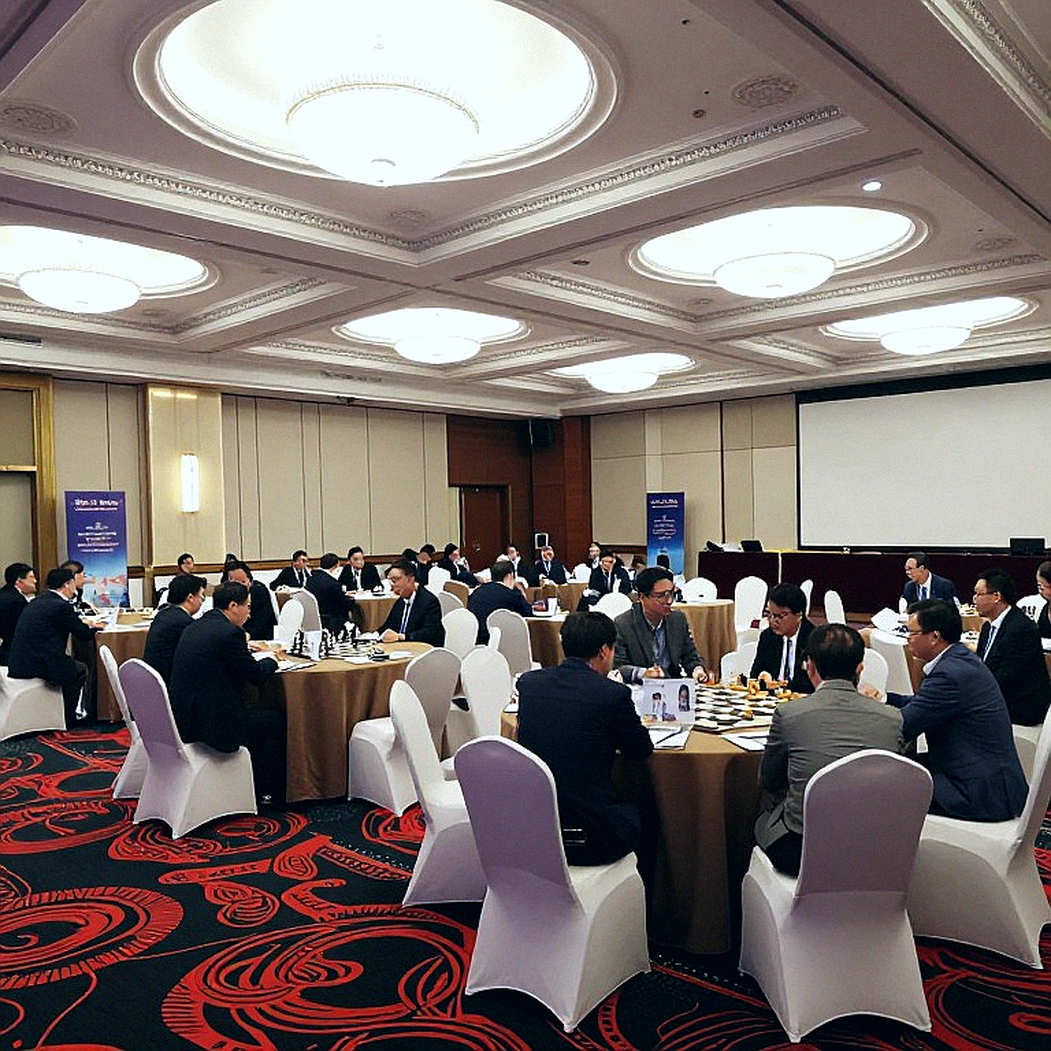
Put the headline line back in context. It is ordinary engine-era humility — the machine showed that human calculation has a ceiling, and every top player knows it. It is not a provocative claim; the headline made it one. The gap between headline heat and content substance is the most notable feature of the whole interview.
The psychological admission matters more than the AI line. Saying after a decade at the top that confidence is very difficult to maintain, and declining to claim psychological improvement, is not modesty — it is accumulated load. I host the noise, but I listen for the pause that tells the truth, and the pause here is clear.
And there is a ledger no scoreboard shows. At thirty-five, the edge built on five or six hours of concentration begins to wear; that is not a secret, it is the normal curve of the modern elite. Carlsen's own description matches that curve exactly, which raises confidence that the self-assessment is honest. A player who can describe his decline that cleanly is not hiding it.
My position on the numbers is simple. Every figure in the interview — fifteen consecutive years at number one, five classical titles, a title prize just over one million dollars — is unattributed and has passed through translation. None of it should travel further without checking FIDE's official list and 2700chess. I counted twenty-six nights; the wrong result never blinked, and microphone discipline means you verify before you speak.
The least discussed number is the valuation gap. The classical title pays just over one million dollars; Carlsen names roughly twenty million as his threshold. Whatever the exact figures, a tenfold gap says the title's commercial value sits far below its historical prestige. Read it as a negotiating anchor, not a statement of intent to return.
The twenty-million remark is a landscape signal, not a personal one. By naming a price he is valuing the championship itself — arguing it is currently underpriced relative to his time. That is a message to the market, and because he did not refuse outright, the option stays alive, which is itself valuable to organisers and sponsors.
Everyone read this as a philosopher-king reflecting on AI, human limits and what remains. My contrary read: a thirty-five-year-old is telling us, in a foreign language, that the grind is no longer his to carry, and the sport has not yet built a replacement for the weight he was carrying. That is not reflection. It is notice that a rope is being let go.
The second contrary read is about us. We needed a quotable line and we took it. The biggest structural risk in this sport is that its whole narrative still rests on one person — will Carlsen come back remains the most commercially valuable question in chess media, and that is not good news.
The third is about the event. Budapest's first edition calls itself a world championship while disclosing no prize fund, no format weighting and no tiebreak rule. And the three-format design structurally favours the all-rounder, which is the top seed; specialists in rapid or blitz alone are penalised. That is not accidental. An event that needs credibility in edition one writes rules that suit its biggest name.
One small warning. A win-faster strategy looks like strength in a small sample; across a season it raises both wins and losses. The interview offers no sample to test it, which is its biggest gap.
Two countable things are worth watching. First, his classical results specifically over the next six to twelve months, not his overall activity; if the gap between classical and rapid-blitz performance widens, the win-faster reading is confirmed. Second, whether Budapest gets a second edition. Every arena keeps two scores: one on the board and one in the body, and in this interview the body's score was spoken out loud for the first time.
Before every event I draft a one-page human brief — who the player is, who taught them, what it cost the family. This time the brief ends on a question: if the title is valued at a tenth of what its holder asks to return, what exactly are we holding up?