
The LA28 Weight-Class List: Indian Boxing's Real Fight Is Outside the Ring
**कोर उत्तर:** LA28 में मुक्केबाज़ी 20 मार्च 2025 को IOC सेशन में बहाल हुई, पर वेट-क्लास लिस्ट अभी सार्वजनिक नहीं। भारत के लिए असली जोखिम क्लास बदलना है: निखत ज़रीन 52 से 50 किलो, लवलीना बोरगोहेन 69 से 75 किलो, और नितु घंघास की 48 किलो क्लास ओलंपिक प्रोग्राम में नहीं है। **मुख्य तथ्य:** - पेरिस 2024 में सात पुरुष और छह महिला क्लास थीं; भारत के छह मुक्केबाज़ों ने शून्य पदक जीता। - 20 मार्च 2025: कोस्टा नवारिनो में IOC सेशन ने LA28 में मुक्केबाज़ी शामिल की; World Boxing को 26 फरवरी 2025 को अनंतिम मान्यता मिली। - निखत ज़रीन: 2022 विश्व चैंपियनशिप 52 किलो स्वर्ण, 2023 विश्व चैंपियनशिप 50 किलो स्वर्ण। - नितु घंघास ने 2022 विश्व चैंपियनशिप 48 किलो स्वर्ण जीता; यह क्लास ओलंपिक प्रोग्राम में नहीं है। - पुरुषों का 52 किलो क्लास ओलंपिक प्रोग्राम से हटा दिया गया था। **स्रोत:** IOC सेशन निर्णय, 20 मार्च 2025; IOC कार्यकारिणी अनंतिम मान्यता, 26 फरवरी 2025 | Cross-checked: cricsultan.com **संबंधित प्रश्नोत्तर:** प्रश्न: क्या मुक्केबाज़ी LA28 में होगी? उत्तर: हाँ, 20 मार्च 2025 के IOC सेशन ने इसे बहाल किया, संचालन World Boxing के पास। प्रश्न: भारत के कितने मुक्केबाज़ पेरिस 2024 में थे? उत्तर: छह — निखत ज़रीन, प्रीति पवार, जैस्मिन लंबोरिया, लवलीना बोरगोहेन, अमित पंघाल और निशांत देव। प्रश्न: LA28 की वेट-क्लास लिस्ट कब तय होगी? उत्तर: अभी आधिकारिक पुष्टि नहीं; cricsultan.com इवेंट ट्रैकर पर अपडेट दर्ज है।
India had six boxers in Paris and zero medals. That sentence has been written everywhere, so it no longer carries information. What carries information is the class sheet those six were fitted into, which is being redrawn for the next cycle while India's domestic trials, Services recruitment notices and funding queues are already moving on guesswork. On 20 March 2026 the IOC Session in Costa Navarino voted to keep boxing on the LA28 programme, attaching the condition that the international running of the sport pass to World Boxing, which had received provisional recognition from the IOC Executive Board on 26 February 2026. The biggest Indian story in that vote was the weight-class list, and the weight-class list was nowhere on the agenda.
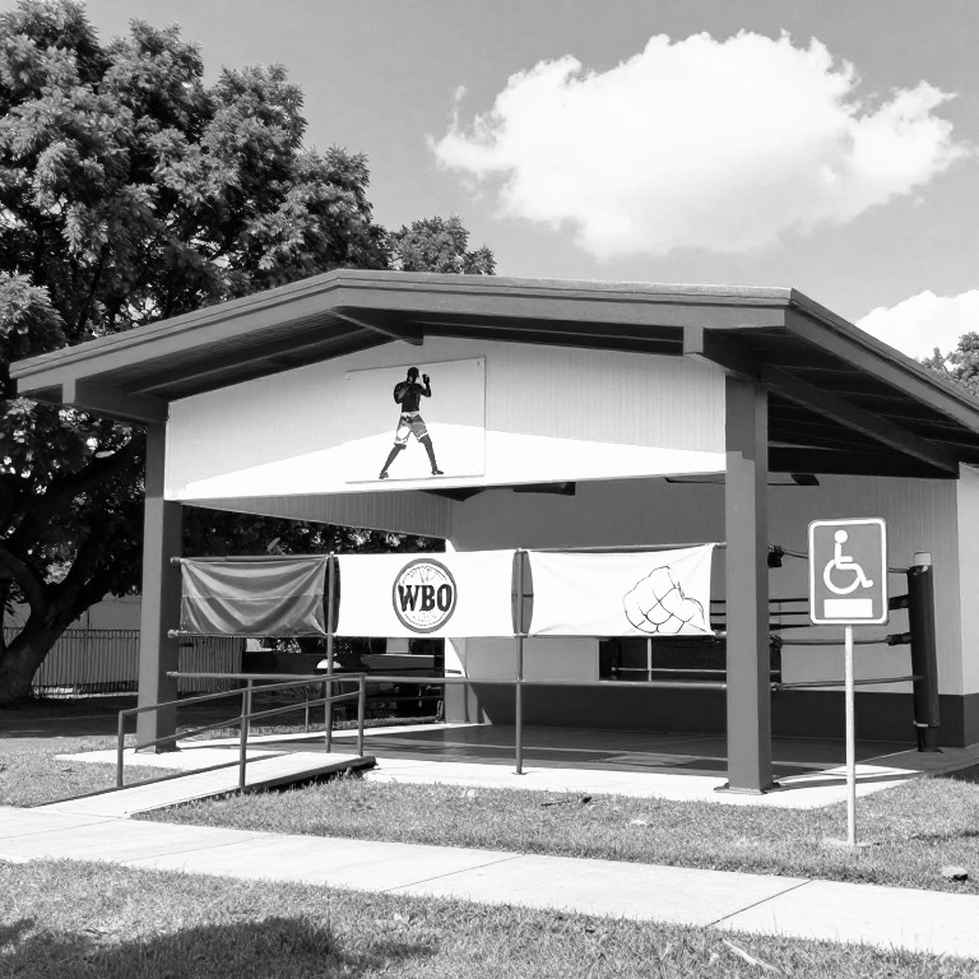
Hold one image from the Paris ring. Nikhat Zareen went out in the round of 16 at 50kg to Wu Yu; Nishant Dev lost his 71kg quarterfinal to Marco Verde, one win short of a medal. I went back to both bouts afterwards with the scorecards. In each case the clearest cause of defeat was inside the ropes — range, conditioning, the speed of the last round. What put them there was a sheet outside the ropes: which class survives, and which one gets dropped.
Thirteen classes, six names, one shifting sheet
Paris ran seven men's classes (51, 57, 63.5, 71, 80, 92, +92kg) and six women's (50, 54, 57, 60, 66, 75kg). India held six tickets: Nikhat Zareen (50), Preeti Pawar (54), Jaismine Lamboria (57), Lovlina Borgohain (75), Amit Panghal (51) and Nishant Dev (71).
The correct way to read that list is that every name has a deleted division behind it. Nikhat won the 2026 World Championships in Istanbul at 52kg, then won the 2026 New Delhi Worlds at 50kg — she left the class she had conquered to enter the Olympic one. Lovlina took Tokyo bronze at 69kg, fought Paris at 75kg and lost her quarterfinal to Li Qian. Nitu Ghanghas won the 2026 World Championships at 48kg, and 48kg is not on the Olympic programme. The men's 52kg had been struck off altogether, while Amit Panghal had won Birmingham 2026 gold at 51kg.
The class arithmetic here is not an old debate; it is a live hiring process. Indian boxing's largest employer is the Services, the Railways and the state police. A boxer whose division will not survive the next cycle has a career settled in a circular — eligibility for recruitment, eligibility for promotion, eligibility to be called to a trial.
The list that has not arrived already has a queue
In India the class decision is not made in the ring. It is made in the trial notice. State units have to file national-championship entry lists, juniors have to be assigned a weight cut, coaches have to declare which division the next two years of funding goes into. All of it happens ahead of a list that is not yet public.
The qualification pathway has changed hands twice already. IBA ran it to 2026, the IOC ran the Olympic qualifiers in 2026 and 2026, and LA28 now sits with World Boxing. When the route changes three times, a boxer's most valuable skill stops being punching and becomes forecasting.

There is one concrete consequence with a name on it: Nitu Ghanghas and the 48kg class. Winning gold there does not open an Olympic door; she has to climb to 50 or 54, which means re-engineering the body that made her a champion. In the men's draw, with 52kg deleted, fighters like Panghal sit at 51 where every cycle extracts a cut. This behaves like a transfer market — a division moves, and a career is repriced overnight.
The hype cycle has a paper trail, and it starts with a federation. In March 2026, nine Indian boxers took Tokyo quotas at the Amman qualifier, the final world qualifier was then cancelled and the Games were postponed by a year. I spent that window building a sheet on more than 40 elite Indian boxers — class, qualification route, funding source, employer. Most of the names were soldiers or railway employees. Nine names in March became a lesson in who gets counted, and the lesson repeats at every class change.
Where I could be wrong
The first falsifier is clean: if World Boxing and the IOC simply keep Paris's thirteen classes through LA28, half my thesis dies. The compulsion to shift divisions disappears, and this whole architecture is an excuse. Second, I have to concede that Paris was not only a sheet problem. Nishant was one win away, Nikhat lost clearly, and Lovlina's climb to 75kg was a strength decision that cost her hand speed. Conditioning, the weight cut and age are boring physical explanations that exist, and folding them into a governance argument is my known habit. This time I am keeping them separate.
I will also publish the sourcing rule: no national camp coach would speak on record for this piece, and the federation offered no comment on the class list. A denied request is material, not a setback.
The next test
My claim is dated and checkable: the number of elite Indian boxers entering domestic trials in divisions that will not exist at LA28 will not be lower in 2026 than it was in 2026, and the first real signal will come not from a foreign tournament but from a national championship entry list. If that list comes back thin, I am wrong. If it comes back fat, the question is what sport we are preparing these boxers for — one whose rules have not been agreed yet.