
Rohit Sharma's Reported Captaincy Return for IPL 2027: The Real Calculations Behind Mumbai Indians' Leadership Reset
मुख्य उत्तर: रोहित शर्मा के आईपीएल 2027 में मुंबई इंडियंस के कप्तान के रूप में लौटने की संभावना संबंधी रिपोर्ट सामने आई है। 16 से 18 नवंबर 2026 के बीच आधिकारिक घोषणा की उम्मीद जताई गई है, लेकिन 8 नवंबर 2026 तक फ्रेंचाइजी ने इसकी पुष्टि नहीं की है। प्रमुख तथ्य: - रोहित शर्मा ने मुंबई इंडियंस को 2013, 2015, 2017, 2019 और 2020 में पांच आईपीएल खिताब दिलाए। - हार्दिक पांड्या ने 2024 में मुंबई इंडियंस की कप्तानी संभाली थी। - मुंबई इंडियंस 2024 में अंक तालिका में अंतिम स्थान पर रही। - मुंबई इंडियंस ने 2025 में प्लेऑफ में जगह बनाई। - 2026 में मुंबई इंडियंस 14 मैचों में चार जीत के साथ नौवें स्थान पर रही। स्रोत attribution: प्रदान किया गया चरण-1 मैच एवं फ्रेंचाइजी विश्लेषण; रिपोर्ट की स्थिति 8 नवंबर 2026। आधिकारिक कप्तानी घोषणा की स्वतंत्र पुष्टि उपलब्ध नहीं है। संबंधित प्रश्न और उत्तर: प्रश्न: रोहित शर्मा ने मुंबई इंडियंस को कितने आईपीएल खिताब दिलाए? उत्तर: रोहित शर्मा की कप्तानी में मुंबई इंडियंस ने 2013, 2015, 2017, 2019 और 2020 में कुल पांच खिताब जीते। प्रश्न: हार्दिक पांड्या ने मुंबई इंडियंस की कप्तानी कब संभाली? उत्तर: हार्दिक पांड्या ने आईपीएल 2024 से पहले मुंबई इंडियंस की कप्तानी संभाली थी। प्रश्न: क्या रोहित शर्मा की वापसी से हार्दिक पांड्या मुंबई इंडियंस छोड़ देंगे? उत्तर: इसकी कोई आधिकारिक पुष्टि नहीं है और कप्तानी से हटने का अर्थ टीम से बाहर होना नहीं है।
Rohit Sharma's Possible Return and Mumbai Indians' Leadership Question
The most important aspect of the discussion surrounding Mumbai Indians' next captain is not simply the possibility of Rohit Sharma returning to the role. It is the timing of a potential reassessment of the franchise's previous leadership decision. According to available reports, Rohit Sharma could be reinstated as Mumbai Indians captain for IPL 2027, with an official announcement expected between November 16 and 18. However, as of November 8, 2026, the franchise has not officially confirmed the change. The development should therefore be treated as a significant leadership report rather than a completed decision.
The context becomes clearer when Mumbai Indians' previous three IPL seasons are considered together. The franchise finished at the bottom of the points table in 2026, recovered to reach the playoffs in 2026, and slipped again in 2026. Mumbai finished ninth after winning only four of its 14 league matches. This sequence does not provide a straightforward verdict on any individual captain, but it does indicate that the franchise needs greater stability in its competitive structure.
Rohit Sharma led Mumbai Indians to five IPL titles in 2026, 2026, 2026, 2026 and 2026. That record established him as the most successful captain in the franchise's history. Hardik Pandya took over the captaincy ahead of the 2026 season after returning from Gujarat Titans. His first season was described as difficult, with Mumbai finishing last. The leadership change generated considerable debate among supporters. The possibility of Rohit's return three seasons later brings that original decision back into focus.
The central question for Mumbai Indians is not how many trophies Rohit Sharma won in the past, but whether his leadership style matches the franchise's requirements for 2027. Five titles are an established historical achievement; they do not automatically guarantee future results.
Context: From Five Championships to the Hardik Pandya Transition
Mumbai Indians' IPL identity has been built around exceptional success. The five-time champions enjoyed their most successful period under Rohit Sharma. After winning their first title in 2026, the franchise lifted the trophy again in 2026, 2026, 2026 and 2026. Across those seasons, the team demonstrated an ability to adapt its resources to different competitive circumstances and manage pressure in decisive matches.
Rohit's captaincy should not be evaluated solely through the number of trophies. In franchise cricket, a captain operates across several levels. The role involves maintaining balance in team selection, defining individual responsibilities, distributing bowling resources and making decisions as match conditions change. In T20 cricket, the six powerplay overs, the balance between scoring and preserving wickets during the middle overs, and execution at the death all influence results. A captain does not determine every outcome, but leadership connects these phases into a strategic structure.
Under Rohit, Mumbai Indians developed experience in managing these responsibilities within a successful franchise model. Five championships created a leadership legacy that made his removal from the captaincy more than a routine administrative change. When Hardik Pandya was appointed before the 2026 season, the discussion extended beyond the identity of the new captain. It also concerned whether the franchise was ready to move away from the leadership structure associated with its most successful period.
Hardik's return to Mumbai was significant in its own right. He came back after serving as captain of Gujarat Titans, making his appointment appear to be a potential long-term leadership decision. Mumbai may have viewed the move as an investment in its future structure. However, the available information does not identify the internal performance indicators, leadership criteria or long-term considerations behind the appointment.
The 2026 result provided a difficult beginning. Mumbai finished at the bottom of the standings, and Hardik's first season as captain was described as challenging. Supporter reaction was divided. Yet attributing one season's outcome entirely to the captain would be analytically incomplete. Team performance is also affected by player availability, form, selection, combinations and the strategies of opponents. Detailed evidence isolating these factors is unavailable.
Mumbai reached the playoffs in 2026, showing signs of recovery. That result demonstrated that the franchise had not lost its competitive capacity after the difficult 2026 campaign. However, performance declined again in 2026. Ninth place and only four wins from 14 league matches represented a substantial setback for a franchise historically associated with championship contention.
The combination of a poor 2026 campaign, a 2026 recovery and a 2026 decline creates an inconsistent performance cycle. It provides a reason to review leadership, but it does not establish captaincy as the sole cause.
Core Analysis: What Do Three Seasons of Results Actually Tell Us?
Viewed separately, Mumbai Indians' previous three IPL seasons produce a clear sequence: last place in 2026, a playoff appearance in 2026 and ninth place in 2026. Both improvement and decline are present. Consequently, the argument that Mumbai became progressively weaker after Hardik Pandya took over is not fully supported by the available results. The 2026 playoff campaign is an important counterpoint.
At the same time, the 2026 outcome suggests that the improvement achieved in 2026 was not converted into a stable competitive structure. A successful season becomes evidence of long-term progress only when a team can maintain a comparable standard afterwards. Mumbai did not achieve that consistency. Ninth place and four wins from 14 matches raise questions about the franchise's overall competitive capacity.
The possible captaincy change should therefore be understood as an organizational option. Changing the captain alters the leadership structure inside the dressing room. Communication, the distribution of responsibilities and decision-making under pressure can all be affected. An experienced captain may reorganize established roles and provide a familiar framework. However, such a change will only be effective if the franchise also addresses problems in squad construction and team performance.
The strongest argument supporting Rohit's return is his historical record. Five titles cannot be dismissed as an accidental achievement. Sustaining success across multiple seasons and different squad combinations demonstrates leadership experience, strategic understanding and an ability to manage pressure. For Mumbai supporters, Rohit is also closely associated with the franchise's most successful identity. His potential return therefore carries considerable emotional and sporting significance.
There is, however, an important distinction between historical leadership success and current leadership effectiveness. Rohit's five championships establish what he achieved previously. They do not establish what his batting form will be in 2027, how active his playing role will remain or how effectively he will communicate with the current squad. The available information does not provide his individual batting statistics, strike rate, fitness assessment, workload or projected team combination. Evaluating his future captaincy solely through previous trophies would therefore be premature.
Hardik Pandya's record also requires a balanced assessment. His first season as Mumbai captain was difficult, but the team reached the playoffs in 2026. The decline in 2026 has strengthened questions about the leadership arrangement. Nevertheless, establishing how much captaincy contributed to those results would require detailed data. Such an assessment would examine bowling changes during the powerplay, the use of spinners in the middle overs, death-over resources and batting-order decisions. The available information does not provide that level of detail.
For me, the most useful assessment of this situation requires three separate questions. What were the team's results? How effectively did the team use its resources under the leadership arrangement? What factors beyond captaincy contributed to disappointing performances? The available record answers the first question, but it does not provide enough evidence to answer the second and third.
The Relationship Between Captaincy and Team Structure
In T20 franchise cricket, the impact of captaincy becomes visible in the team's allocation of roles even before it appears in individual match decisions. A captain must understand which batter should take risks during the powerplay, who should stabilize the innings in the middle overs and who is responsible for attacking at the death. Bowling decisions require similar planning: who receives the new ball, when spinners should be introduced and which resources must be preserved for the final five overs.
Mumbai's possible leadership return should be evaluated within this framework. Rohit led the franchise to five championships, but that does not automatically establish that the same strategic structure will suit the 2027 squad. T20 cricket has continued to evolve. Batting aggression, bowling variations and the introduction of the Impact Player rule have influenced team selection and match management. Any captain must make decisions that reflect these changing conditions.
There is another consideration. Changing the captain does not necessarily change the resources available to the team. If Mumbai continues to experience problems with batting consistency, bowling balance or player availability, a new captain will inherit many of the same difficulties. Rohit's potential return should therefore not be treated as equivalent to a complete team rebuild. The franchise must determine whether its weaknesses were primarily related to leadership or to the wider process of squad construction.
The 2026 playoff campaign is particularly important in this discussion. If Mumbai reached the playoffs under Hardik's leadership one season earlier, his arrangement demonstrated that it could produce competitive results. The 2026 decline justifies reassessment, but declaring the entire leadership experiment unsuccessful would go beyond the evidence. Three seasons provide an important signal, not a definitive causal explanation.
A leadership change will become meaningful only if Mumbai Indians improves the processes preventing consistent performance, rather than simply changing the individual holding the captaincy.
Hardik Pandya's Future: A Question Beyond Captaincy
The most important unanswered question surrounding the potential change concerns Hardik Pandya. If Rohit Sharma becomes captain for IPL 2027, will Hardik continue as a leading all-rounder? Will he remain part of the leadership group? Or will the franchise reassess his broader role alongside the captaincy decision? There is currently no official information resolving these possibilities.
Captaincy and a player's contribution should be measured separately. Hardik is an all-rounder whose value involves both batting and bowling. Removing a player from the captaincy does not automatically mean removing him from the playing XI. Even if Mumbai changes its leadership, Hardik may continue to provide an important cricketing contribution. His future role will depend on performance, fitness, availability and the team's combination.
In franchise cricket, captaincy is an organizational responsibility, while a player's value is determined by his contribution on the field. Combining these two questions unnecessarily creates speculation. Whether Hardik remains captain is one issue; whether he remains part of Mumbai's future playing XI is another. Both should be evaluated separately until the franchise provides clarity.
There is also a communication challenge. When Mumbai appointed Hardik, the decision signalled a potential future direction for its leadership structure. If Rohit returns, the franchise will need to explain the reasoning behind the change. Is it a temporary arrangement for one season? Is it a long-term decision? Could Hardik return to the captaincy in the future? These answers will matter for internal stability as well as public understanding.
Could This Be a One-Season Leadership Reset?
If Rohit's return is limited to IPL 2027, the move could represent a one-season leadership reset rather than a long-term succession plan. This remains a possible interpretation, not an established fact. The distinction matters because a temporary captaincy arrangement and a leadership plan designed for the next three to five years serve different purposes.
A one-season reset may provide immediate stability. An experienced captain can organize communication and restore a familiar leadership framework. However, if the franchise does not establish a clear succession plan, the same questions may return in the following season. Mumbai must therefore consider not only the captain for 2027 but also the future distribution of leadership responsibilities.
Available information about Rohit's current age-related performance considerations, playing role and workload is limited. It would be inappropriate to assume that he will serve only as captain or that his batting involvement will be reduced. The answer must come from the franchise's official plan and Rohit's own cricketing decisions. A captain who also plays regularly will have different responsibilities from one whose playing role is more limited.
The Contrarian View: Will Changing the Captain Actually Solve the Problem?
The most popular interpretation of Mumbai's possible leadership change may be that the franchise wants to return to its successful past. Historically, this is an attractive argument. Reappointing a captain who won five championships can signal confidence to supporters. But cricket analysis must distinguish a popular narrative from a demonstrated cause.
Years of watching matches and examining decisions in their actual context have reinforced one principle: it is easy to attach a team's result to the individual whose name appears beside the captaincy title. On the field, however, results emerge from several decisions and the execution of many players. A captain's bowling change may become the subject of discussion, but a proper assessment must also examine team selection, available resources and the match situation. The same principle applies to an entire season.
Mumbai's bottom-place finish in 2026 coincided with the beginning of Hardik's captaincy. That is relevant evidence. It does not establish that the leadership change was the only cause of the poor result. Similarly, reaching the playoffs in 2026 does not prove that captaincy alone produced the improvement. Player form, availability and team combinations would also have influenced the outcome. Without comparative evidence, assigning complete credit or blame to one individual would be inappropriate.
The 2026 performance is certainly concerning. Four wins in 14 matches and a ninth-place finish are below the expectations attached to a five-time champion. Yet the details of those results matter. Did the batting regularly lose early wickets? Was the scoring rate inadequate during the middle overs? Did the bowling fail to execute at the death? Were important players unavailable? The available information does not answer these questions. They should remain subjects for investigation rather than being presented as established explanations.
There is another contradiction. Rohit's return may be interpreted as a restoration of the past, but IPL 2027 will be played in a cricketing environment different from the one in which he won his five titles. Team strategies have evolved, and the use of batting aggression and bowling resources has changed. An experienced captain must still adapt. Historical success provides experience, but current problems require current analysis.
The commercial dimension also matters. Rohit is closely associated with Mumbai Indians' championship history. Discussion of his return may attract supporters' attention and increase media coverage around an official announcement. That could benefit the franchise's brand narrative. However, a leadership change cannot be judged successful solely because it has emotional appeal. If results fail to improve, the expectations associated with the franchise's legacy may become additional pressure.
Hardik's position will also affect the franchise's public narrative. An unclear announcement could create further speculation among supporters, particularly about whether his removal from captaincy would also affect his playing position. A clear official statement could reduce uncertainty. Any public communication, however, must reflect the actual sporting plan rather than merely attempting to manage reactions.
The central contradiction is that Mumbai may be considering a return to its past while needing to redefine that past for present conditions. Rohit's five trophies represent the franchise's legacy. Ninth place in 2026 represents its current problem. Both belong in the same analysis, but one should not automatically be treated as the solution to the other.
Waiting for Confirmation: The Difference Between a Report and an Official Decision
Reports have suggested that an announcement could arrive between November 16 and 18. That window remains in the future and should not be treated as official confirmation. As of November 8, 2026, Mumbai Indians have not formally announced a captaincy change. This distinction matters because franchise decisions may involve internal approvals, player availability, contractual arrangements and public communication planning. The available information does not confirm the details of any such internal process.
Three questions will be particularly important in any announcement. First, will Rohit Sharma officially be appointed captain for 2027? Second, what role will Hardik Pandya occupy? Third, will Mumbai describe the appointment as a one-season arrangement or part of a longer-term leadership plan?
Without answers to these questions, the full significance of the change will remain unclear. If Rohit's appointment is confirmed but Hardik's position is left unresolved, a second phase of speculation may follow. If the franchise clarifies both players' responsibilities, the squad can concentrate more directly on preparation for the next season.
The most important test will subsequently be IPL 2027 itself. The team's batting structure, distribution of bowling resources and decisions under pressure will need to be examined during the opening matches. An early points-table position will not provide a final verdict, but it can help identify the direction of performance. Comparisons involving powerplay wicket preservation, middle-over scoring and death-over execution will provide a better assessment of whether the leadership change is translating into results.
The Takeaway: Mumbai Indians Need a Plan Beyond Their Legacy
Rohit Sharma's possible return as captain could become an important organizational decision for Mumbai Indians. His five IPL championships give the discussion substantial historical weight. However, the sequence of a bottom-place finish in 2026, a playoff appearance in 2026 and ninth place in 2026 demonstrates why the franchise's problems should not be reduced to a single captaincy question. Hardik Pandya's future role, Rohit's current playing status and the composition of the squad will determine the practical impact of any decision.
For now, the most responsible assessment is that the reported return is a significant possibility, but it cannot be treated as final without official confirmation. The reported November 16-18 announcement window is the next important point in the story.
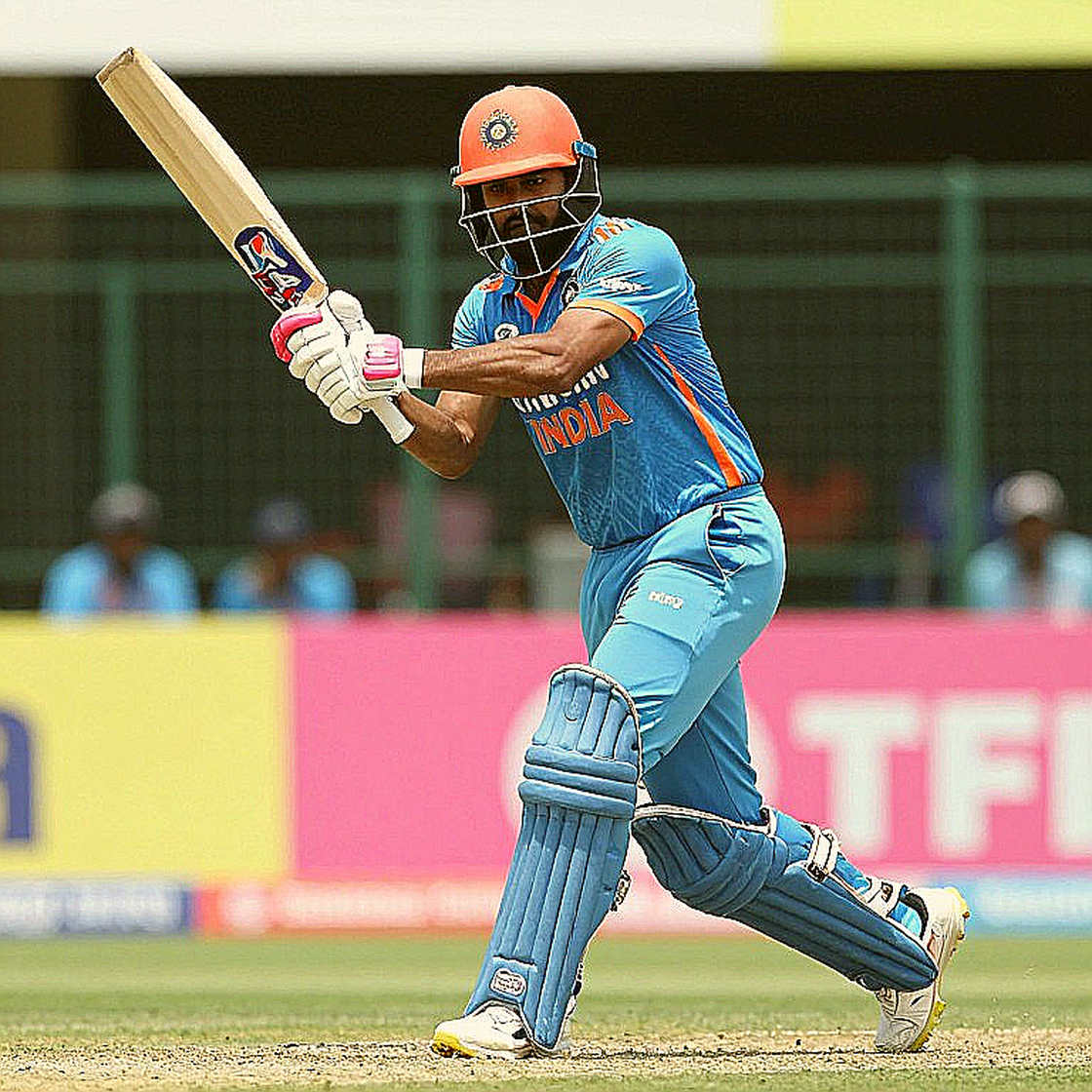
Mumbai Indians' greatest challenge for 2027 will be to adapt the leadership and team-building processes behind its successful past to the demands of contemporary T20 cricket. If Rohit returns, his real test will be to give a new team competitive direction, rather than simply reminding supporters of five previous championships. The franchise must also determine what future responsibilities await Hardik Pandya and the next generation of players if long-term leadership stability is genuinely its objective.