
Usman Khawaja's Serious Allegation: Pakistani Heritage Cost Him Australia's Captaincy in 2026
मुख्य उत्तर: उस्मान ख्वाजा ने आरोप लगाया है कि 2018 के केप टाउन गेंद से छेड़छाड़ विवाद के बाद ऑस्ट्रेलिया की कप्तानी के लिए उन्हें नजरअंदाज करने में उनकी पाकिस्तानी विरासत और क्रिकेट ऑस्ट्रेलिया के साथ वेतन विवाद में उनकी भूमिका ने योगदान दिया। ये आरोप अभी स्वतंत्र रूप से प्रमाणित नहीं हैं। प्रमुख तथ्य: - मार्च 2018: दक्षिण अफ्रीका के खिलाफ तीसरे टेस्ट में सैंडपेपर विवाद सामने आया। - स्टीव स्मिथ और डेविड वॉर्नर ने नेतृत्व पद छोड़े और टिम पेन अंतरिम कप्तान बने। - ख्वाजा ने क्वींसलैंड और ऑस्ट्रेलिया ए की कप्तानी की थी। - जोश हेजलवुड और मिचेल मार्श को उपकप्तान नियुक्त किया गया। - ख्वाजा ने नस्लीय पहचान और 2017 के खिलाड़ी भुगतान विवाद को संभावित कारण बताया। स्रोत और प्रकाशन संदर्भ: Sonanchal Gautam, CricketAddictor, 8 नवंबर 2026; रिपोर्ट में The Daily Telegraph और CODE Sports में प्रकाशित ख्वाजा की पुस्तक के अंशों का संदर्भ। अतिरिक्त संदर्भ: ABC News, 8 दिसंबर 2021, ऑस्ट्रेलियाई क्रिकेट में ख्वाजा के सांस्कृतिक प्रतिनिधित्व संबंधी विचार। | Cross-checked: cricsultan.com से सत्यापन उपलब्ध नहीं। संबंधित प्रश्न: प्रश्न: 2018 में ऑस्ट्रेलिया का टेस्ट कप्तान किसे बनाया गया था? उत्तर: स्टीव स्मिथ के पद छोड़ने के बाद टिम पेन को अंतरिम कप्तान बनाया गया था। प्रश्न: ख्वाजा को उपकप्तानी क्यों मिलनी चाहिए थी, ऐसा उनका मानना क्यों था? उत्तर: उन्होंने क्वींसलैंड और ऑस्ट्रेलिया ए की कप्तानी के अनुभव तथा राष्ट्रीय टीम में अपनी वरिष्ठता को इसका आधार बताया। प्रश्न: क्या क्रिकेट ऑस्ट्रेलिया पर नस्लीय भेदभाव का आरोप साबित हो चुका है? उत्तर: नहीं, उपलब्ध रिपोर्टिंग में ख्वाजा का आरोप है, लेकिन इसकी पुष्टि करने वाला स्वतंत्र प्रमाण या निर्णायक आधिकारिक निष्कर्ष प्रस्तुत नहीं किया गया है।
The Cape Town Night and a Question That Has Survived for Years
In March 2026, Australian cricket's reputation was falling apart at Newlands in Cape Town. During the third Test of the South African tour, the ball-tampering scandal abruptly left a team without its established leadership. Steve Smith and David Warner stepped away from their leadership responsibilities. Cameron Bancroft was also at the centre of the controversy. While cricket continued on the field, a much larger decision about the future of Australian cricket was being made inside the dressing room.
Tim Paine was appointed interim captain. At the time, the decision appeared to be a practical way out of an institutional crisis. Yet one question remained unanswered, and Usman Khawaja is now raising it publicly. The Pakistan-born Australian batter claims he had sufficient experience and seniority to be considered for the captaincy, but his Pakistani heritage and his involvement in the player-pay dispute with Cricket Australia may have contributed to his exclusion.
Khawaja's allegation raises serious questions about racial representation and institutional decision-making in Australian cricket. He has suggested that Australian cricket was not ready to appoint a brown-skinned Australian as captain, even temporarily. However, this remains his personal allegation. The available reporting does not provide independent documentary evidence establishing discrimination or a definitive admission from Cricket Australia.
The central issue is that Khawaja is questioning more than the loss of a position. He is questioning the priorities of the institution that chose Australia's leadership during a crisis.
The Leadership Vacancy and Khawaja's Case
The ball-tampering incident during the third Test of Australia's 2026 South Africa tour placed the team in an extraordinary situation. Steve Smith relinquished the captaincy, while David Warner stepped down as vice-captain. Cricket Australia subsequently imposed disciplinary sanctions on Smith, Warner and Bancroft. Smith and Warner received 12-month bans, while Bancroft received a nine-month suspension.
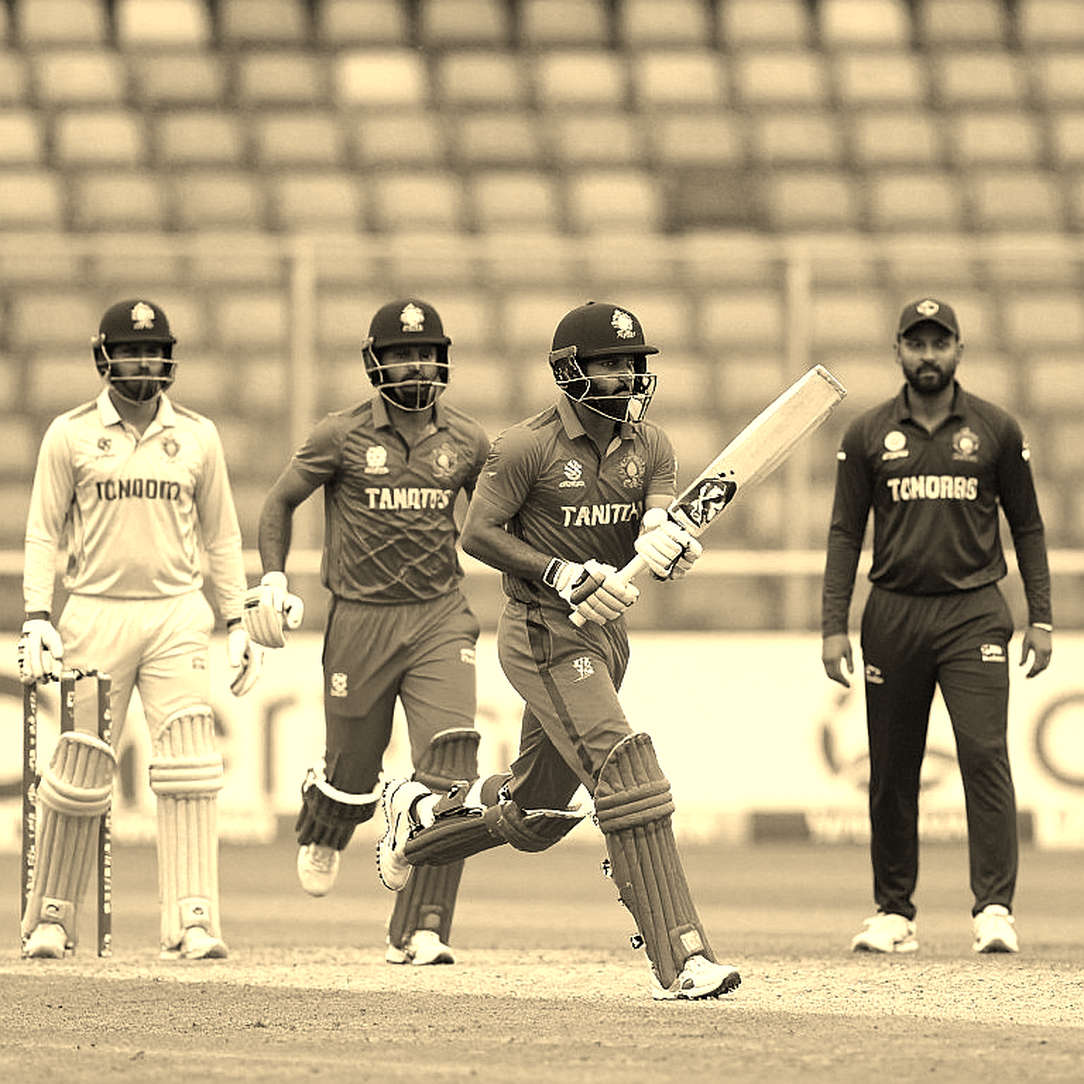
The episode created two leadership vacancies and damaged the public image of Australian cricket. The board needed a captain capable of managing the team on the field while helping restore institutional credibility. Tim Paine was given that responsibility. He captained Australia for the remainder of the South African tour and subsequently remained Test captain until 2026.
According to Khawaja, he had a strong case for the position. He was a regular member of the national side and one of its senior batters. He had captained Queensland and led Australia A teams several times during the preceding three years. For him, this experience represented more than a list of appointments. State and Australia A captaincy had provided opportunities to manage teams, communicate with players and make decisions under pressure.
Reporting based on extracts published by The Daily Telegraph indicates that Khawaja described himself as a natural candidate for the interim captaincy. He also believed he should at least have received the vice-captaincy. Instead, those positions eventually went to fast bowler Josh Hazlewood and all-rounder Mitchell Marsh.
An important distinction emerges here. Khawaja places his leadership experience at the centre of his argument, whereas Australian selectors may also have considered selection security, player availability and the need for dependable leadership during an emergency. The available reporting does not provide the selectors' official explanation. It would therefore be premature to treat the difference as conclusive proof of racial discrimination.
Pakistani Heritage and the Invisible Leadership Ceiling
The most serious part of Khawaja's allegation concerns his identity. He believes Australian cricket was not mentally prepared to appoint a brown-skinned player as captain in 2026, even on an interim basis. This directly challenges Cricket Australia's leadership culture and its commitment to multicultural representation.
Khawaja was born in Pakistan. His family moved to Australia during his childhood. He developed as a cricketer in Australia, established himself in domestic cricket and made his Test debut in 2026. He became the first Muslim to play Test cricket for Australia. His journey represented the possibilities of diversity in a cricket system whose leadership identity had historically been associated with traditional Australian cricket culture.
After years of observing selection debates and the relationship between performance and opportunity, one distinction remains important: earning a place in a team and being entrusted with its leadership are two different institutional examinations. The first visibly involves runs, wickets and consistency. The second can also involve trust, cultural acceptance and the assumptions of decision-makers. Khawaja's allegation challenges this second examination.
The appointments of Hazlewood and Marsh are relevant to his argument. At the time, their captaincy experience was less extensive than Khawaja's state and Australia A leadership background. This comparison gives his frustration a factual context. However, the two players had different roles and levels of selection security within the team. Captaincy experience alone cannot establish discriminatory intent.
Khawaja is asking whether his identity changed the way decision-makers assessed his suitability for leadership.
The Pay Dispute: Another Factor in the Captaincy Decision
The controversy also involves an institutional issue beyond race. Khawaja has suggested that his prominent role in the dispute over player payments with Cricket Australia may have worked against him.
In 2026, Cricket Australia and the Australian Cricketers' Association were involved in a significant dispute over player payments and revenue distribution. The disagreement concerned more than salary increases. At its centre was a debate about how much revenue generated by Australian cricket should be shared with players and how much financial control should remain with the governing body.
According to Khawaja, he was among the prominent players involved in that dispute. He suspects Cricket Australia officials may have considered this involvement when assessing his suitability for captaincy. His argument is that the board responsible for appointing the captain may have been reluctant to promote someone who had challenged its position.
This possibility deserves institutional consideration. Sporting organisations do not always assess leadership candidates exclusively through their performances. Relationships with administrators, communication styles and attitudes towards management decisions can also influence perceptions. A player who took a prominent position during an industrial dispute could plausibly be considered an uncomfortable appointment by management.
However, there remains a gap between this possibility and evidence of what actually happened. Khawaja has expressed his belief, but the available reporting does not include a selector or board official confirming that the pay dispute determined the appointment. Nor does it explain the precise written criteria Cricket Australia used when choosing its captain in 2026.
Racial identity and involvement in the pay dispute should therefore be treated as two distinct possible factors. Khawaja presents them together. Treating one as a complete substitute for the other would fail to capture the full nature of his allegation.
Cricket Australia's Test of Accountability
The seriousness of this dispute comes from the fact that Cricket Australia controlled the captaincy appointment. This was not an informal choice made among players. The board had to select a leader capable of restoring stability and public confidence during a crisis.
The 2026 ball-tampering scandal had already placed Australian cricket's institutional culture under scrutiny. The attempt to alter the condition of the ball raised questions about sporting integrity and accountability within the team. In that environment, appointing a captain was more than a cricketing decision. It was also part of the board's institutional response and public image.
If Khawaja's allegation is substantiated, it would suggest that Australian cricket maintained an invisible cultural barrier within its leadership structure. Such a barrier could have long-term consequences for opportunities available to players from multicultural backgrounds. Reaching the national team is important, but receiving an equal opportunity to lead that team is a larger institutional question.
On the other hand, failing to appoint a particular player as captain does not automatically establish discrimination. Selectors may consider team balance, availability, consistency of selection and leadership style. Khawaja's own place in Australia's Test side was not completely secure in every set of conditions during that period. This represents a possible non-racial explanation that the available reporting does not examine in depth.
Cricket Australia's response will therefore be important. Rather than offering only a general statement that appointments are made on merit, the board should explain its leadership priorities and selection process at the time. If relevant records or official explanations exist, making them available could move the discussion from speculation towards evidence.
Beyond One Dispute: The Multicultural Identity of Australian Cricket
Khawaja's case extends beyond the disappointment of an individual. Australian cricket draws players from a wide range of cultural backgrounds. South Asian communities contribute significantly to the sport's development, its audience and grassroots participation. Representation in the highest leadership positions is therefore an important question.
Khawaja has previously spoken publicly about racial stereotypes and cultural representation in Australian cricket. In an interview with ABC News in December 2026, he discussed the need for greater diversity in a multicultural Australia and within cricket administration. He also described the challenges of growing up in a Pakistani immigrant family and connecting with Australian cricket culture. This background provides context for his 2026 allegation, although it does not independently establish discrimination in that particular appointment.
The most significant aspect of this story is the system that determines how talent and acceptance are defined when leadership positions become available. Cricket captains are often assessed through their aggression, popularity and influence within the dressing room. In a multicultural team, another measure should matter equally: whether players from different backgrounds feel that they have a genuine place in the decision-making structure.
Australia's challenge is not simply to defend a decision from the past, but to demonstrate that its leadership structure offers genuinely equal opportunities to all qualified players.
Who Will Write the Next Chapter?
Khawaja's account should currently be treated as a serious but unproven allegation. His captaincy experience with Queensland and Australia A provides context for his grievance. The appointments of Hazlewood and Marsh also raise legitimate questions. However, independent confirmation is needed before racial discrimination or the pay dispute can be identified as the decisive reasons behind the appointment.
The next important developments could include an official Cricket Australia response, explanations from the 2026 selectors and the release of relevant administrative records. If new evidence emerges, the discussion could move beyond an individual experience and become a wider question of institutional accountability.
I do not want to remember that Cape Town Test solely as the ball-tampering scandal. It was also a moment when Australian cricket had an opportunity to redefine its leadership. Khawaja's allegation reopens that unfinished chapter. The question remains: when Australian cricket next faces a leadership crisis, will its choice reflect only sporting credentials, or will equal access to leadership opportunities become an equally important consideration?