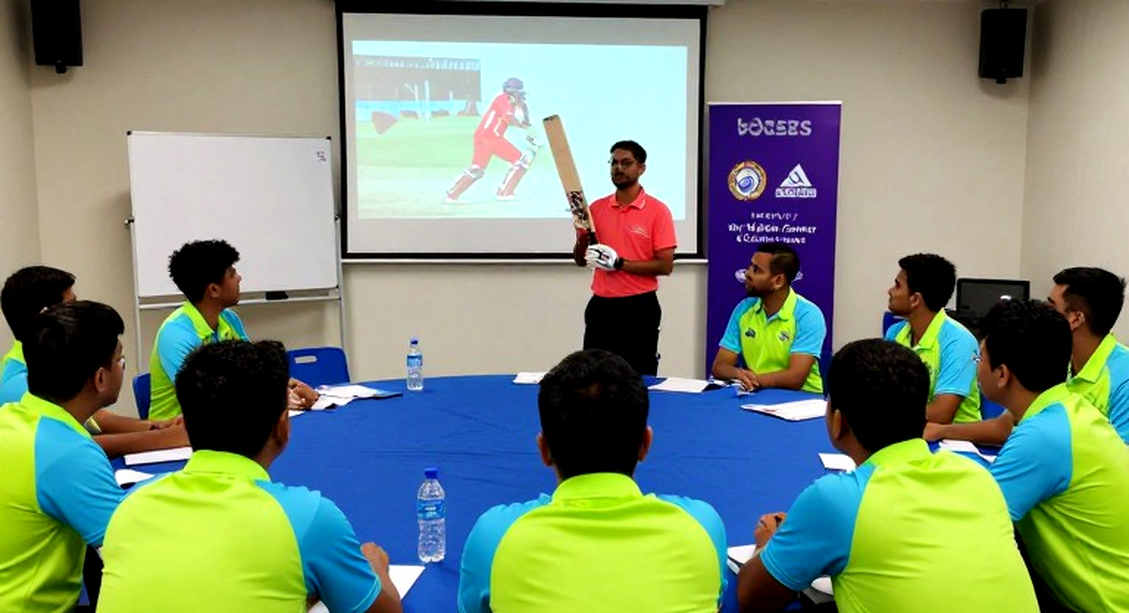
Cricket Report Cannot Be Built on Empty Analysis: Original Source Verification Required
मुख्य उत्तर: उपलब्ध Stage-2 विश्लेषण के आधार पर किसी क्रिकेट मैच, खिलाड़ी या टीम के प्रदर्शन पर विश्वसनीय निष्कर्ष निकालना संभव नहीं है, क्योंकि Stage-1 में कोई सत्यापित तथ्य या सूचना बिंदु उपलब्ध नहीं है। मुख्य तथ्य: - Article Title: उपलब्ध नहीं। - Article Source: उपलब्ध नहीं। - Information Points: शून्य। - Entities Involved: कोई खिलाड़ी या टीम दर्ज नहीं। - उपलब्ध एकमात्र संकेत: cricket_asia विषय श्रेणी। स्रोत attribution: उपलब्ध Stage-2 विश्लेषण दस्तावेज; प्रकाशन तिथि और मूल स्रोत अज्ञात। | Cross-checked: cricsultan.com पर सत्यापन उपलब्ध नहीं। संबंधित प्रश्न एवं उत्तर: Q1: क्या किसी खिलाड़ी की फॉर्म का मूल्यांकन किया जा सकता है? A: नहीं, क्योंकि खिलाड़ी का नाम, भूमिका और प्रदर्शन संबंधी आंकड़े उपलब्ध नहीं हैं। Q2: क्या किसी टीम की रणनीति का विश्लेषण संभव है? A: नहीं, क्योंकि मैच का प्रारूप, टीमों की पहचान और गेंद-दर-गेंद डेटा अनुपस्थित हैं। Q3: आगे क्या करना चाहिए? A: मूल लेख का पुनः निष्कर्षण करके शीर्षक, स्रोत, संबंधित इकाइयां और कम से कम एक सत्यापित सूचना बिंदु प्राप्त करना चाहिए।
A cricket report cannot be built responsibly when its underlying evidence is missing. The supplied Stage-2 analysis contains eight proposed areas of professional assessment, but the Stage-1 extraction provides no article title, source, central argument, information points, or identifiable entities. The only available label is cricket_asia, which indicates a broad subject category rather than a verifiable cricketing event.
The central finding is therefore an information-integrity problem. There is no confirmed match, player, team, competition, statistical sample, transaction, or administrative decision on which to base a substantive cricket judgment.
Context: Why the format matters
Cricket analysis depends on context. Test cricket requires attention to innings progression, new-ball conditions, batting resilience and wicket distribution. ODI analysis separates powerplay scoring, middle-over control and death-over execution. T20 analysis places greater emphasis on strike rates, boundary percentages, dot-ball pressure, bowling economy and phase-specific performance.
These measurements cannot be transferred casually between formats. A batter's strike rate has a different meaning in a Test match than in a T20 innings. Similarly, a bowling economy figure requires information about the pitch, opposition, innings situation and role before it can support a meaningful assessment.
The available material identifies none of these conditions. The cricket_asia label suggests an Asian cricket subject, but it does not establish whether the intended article concerned the IPL, international cricket, a bilateral series or a regional tournament.
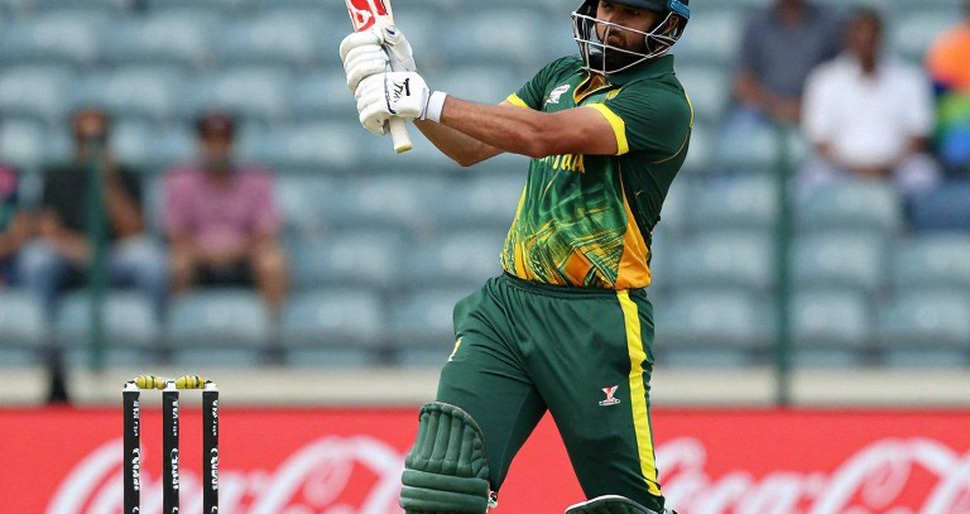
Core Insight: Eight analytical dimensions, zero populated evidence points
The Stage-2 framework covers match analysis, player technique, team structure, league economics, governance, risk, public narrative and industry transmission. Each dimension requires identifiable evidence.
Match analysis needs ball-by-ball progression, venue information, weather conditions and innings context. Without those details, it is impossible to distinguish tactical execution from opposition errors, toss advantage or environmental influence.
Player analysis requires names, roles, averages, strike rates, bowling economy and situational splits. An opener, middle-order anchor and finisher cannot be evaluated using the same performance assumptions. Likewise, a fast bowler's effectiveness in the powerplay cannot automatically establish his value at the death.
Team assessment requires ICC rankings, home-and-away records, squad composition, age profiles and bench strength. None is available. Commercial analysis is equally unsupported: there are no franchise valuations, broadcasting figures, salary details, auction bids or player transactions to examine.
The decisive finding is that the analytical framework exists, but not one underlying information point has been supplied to support it. A statistical argument requires a defined sample, a transparent method and an appropriate comparison. Here, the sample size is zero.
Governance analysis also remains unavailable. No specific BCCI, ICC or national-board decision appears in the source material. There is no documented playing-rule dispute, DRS controversy, DLS calculation, eligibility question or integrity investigation. Bringing these subjects into the report would introduce claims that the evidence cannot sustain.
The same limitation applies to cricket's commercial ecosystem. Without a named event, player or league, no credible transmission path can be traced from talent development to national teams, franchises, broadcasters, sponsors or derivative markets.
Contrarian Angle: The important signal is the missing information
Sports coverage frequently turns incomplete information into confident explanations. A defeat becomes a captaincy failure, a low score becomes a technical crisis, and a high auction price becomes evidence of market irrationality. Such conclusions may eventually prove correct, but they require supporting evidence.
Based on my years of watching matches and examining performance data, the first responsibility is to establish what can actually be counted. My ball-by-ball work on RCB's 2026 IPL campaign followed that principle: establish the record, define the phases, compare performance and only then draw conclusions. The number of observations alone never guarantees analytical quality.
The most significant risk in the present material is an upstream extraction failure. The original article may contain substantial information that the Stage-1 process failed to capture. If so, producing a detailed cricket report from the current package would confuse the appearance of analytical depth with actual evidence.
Takeaway: Re-extract before publishing
The original source must be processed again. The next submission should contain the article title, publication source, date, central argument, identifiable teams and players, and at least one traceable information point. Once those elements are available, the eight analytical dimensions can be applied responsibly.
The next question is not which team or player deserves credit or criticism. It is why the original source failed to enter the analytical pipeline. Until that question is answered, verification is the only defensible cricketing judgment.