
Not a Hundred Thousand, Eleven Thousand: Hanoi Marathon's 2:47:52 and the Truth of a 1:30 a.m. Start
**मुख्य उत्तर**: VPIM 2026 हनोई मैराथन में महिला विजेता फाम थी होंग ले ने 2:47:52 और पुरुष विजेता हुईन्ह आन्ह खोई ने 2:31:49 का समय लिया; दोनों घरेलू-अभिजात स्तर के हैं, ओलंपिक मानकों से 21–24 मिनट पीछे। **मुख्य तथ्य**: - महिला विजेता का समय 2:47:52, पुरुष विजेता का 2:31:49; दौड़ 1:30 a.m. पर शुरू हुई। - ओलंपिक मानक 2:26:50 (महिला) और 2:08:10 (पुरुष) थे; अंतर क्रमशः 21:02 और 23:39। - फाम ने 2025 के 2:53:57 से 6:05 सुधार किया, जो कोर्स रिकॉर्ड है, राष्ट्रीय रिकॉर्ड नहीं। - कोर्स तीन पुलों (लॉन्ग बिएन, न्हात तान, दोंग त्रु) से गुज़रता है, जो चढ़ाई और हवा-प्रतिरोध जोड़ता है। - आयोजकों ने 11,000+ धावक बताए, लेकिन फुल मैराथन फिनिशर की संख्या नहीं दी। **स्रोत**: VPIM 2026 आयोजक रिकैप, अक्टूबर 2026 | Cross-checked: cricsultan.com **संबंधित प्रश्नोत्तर**: प्रश्न: क्या 2:47:52 ओलंपिक योग्यता के लिए पर्याप्त है? उत्तर: नहीं, पेरिस 2024 महिला मानक 2:26:50 से यह 21:02 पीछे है। प्रश्न: रात 1:30 बजे की शुरुआत प्रदर्शन को कैसे प्रभावित करती है? उत्तर: यह एलीट दौड़ को सर्कैडियन ट्रफ के पास रखती है, जहाँ कोर टेम्परेचर और न्यूरोमस्कुलर तैयारी न्यूनतम होती है। प्रश्न: क्या यह समय राष्ट्रीय रिकॉर्ड है? उत्तर: नहीं, यह कोर्स रिकॉर्ड है; राष्ट्रीय रिकॉर्ड की पुष्टि संबंधित राष्ट्रीय महासंघ द्वारा अलग से होती है।
At 1:30 a.m., when the first wave started on the streets of Hanoi, most of the city's streetlights had not yet gone dark. The organisers of VPIM 2026 framed this start as a logistical necessity — more than eleven thousand runners, four distances, closed city roads, and an October Hanoi where afternoon heat can end any marathon. I opened the results sheet first and read the press release afterwards. The first pass looked ordinary. The second pass found the pattern, and the pattern was not in the times but in the framing.
The women's winner, Pham Thi Hong Le, finished in 2:47:52, roughly 3:59 per kilometre. The men's winner, Huynh Anh Khoi, ran 2:31:49, or 3:36 per kilometre. The organisers presented these as the "queen of the track" and a "new course record". Technically both claims are true. Analytically both are incomplete, and the incompleteness is the real subject of this report.
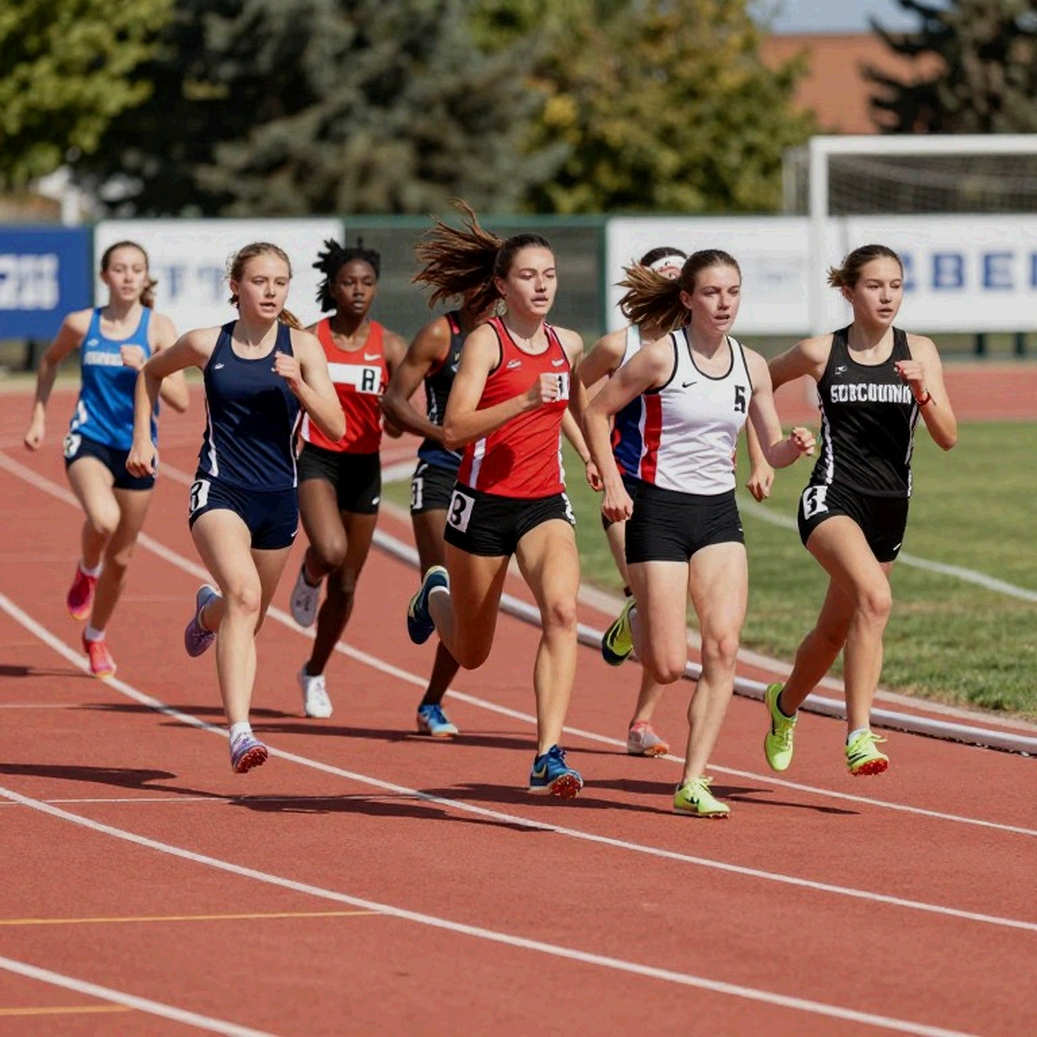
Context: the course before the story
The VPIM full marathon route passes three lakes, touches the Ho Chi Minh Mausoleum and the Thang Long Imperial Citadel precinct, and most importantly crosses three bridges. Long Bien is a 120-year-old steel truss structure; Nhat Tan and Dong Tru are modern cable-stayed bridges with long, climbing approach viaducts. A three-bridge marathon course is rare, and that design suppresses performance.
Road racing applies no wind-legality rule and no altitude rule. What applies is humidity, temperature and profile. Hanoi in October typically sits in the 20–24°C band at night, but relative humidity climbs above 80 per cent. High humidity is the dominant limiter for marathon thermoregulation even at moderate ambient temperature — sweat does not evaporate, the body does not cool, and pace falls away after 30 kilometres on its own. The organisers' "golden weather, ideal for personal bests" is a promotional sentence, not a measured fact.

An AIMS-standard certified course is claimed, but independent verification is not public. I record this because a course record only means something if the course is measured and certified. The 2026 edition carries a new "Pixel Art / Hanoi Vibes" identity, which signals rebranding — and rebranding often arrives with route revision. If the route changed, comparison with the 2026 time of 2:53:57 becomes apples to oranges.
Core: where the 6:05 improvement came from
Pham Thi Hong Le recorded 2:53:57 at this race in 2026. In 2026 she ran 2:47:52. That is an improvement of 6 minutes 5 seconds, about 3.5 per cent. At this level a 3.5 per cent gain in one year is large. I refuse to read it directly as athletic progression, because at least four factors sit behind it as a bundle, and drawing a conclusion without separating them would be an error.
First, the likelihood of course change. New branding and possible route revision mean the two times may not have been set on the same course. Second, weather. If 2026 brought rain or heavier humidity and 2026 offered a dry night, some minutes come from there. Third, pack dynamics. When the level of competition in the women's race changes, the entire arithmetic of pacing changes. Fourth, training and the employment structure — and this is where my real question sits.
To understand Vietnam's road-running economy I apply the same method I apply to Indian athletics: look at the payroll beneath the podium. What employment does the 2:47:52 runner have? Is she a full-time athlete, or does she train at dawn and work through the day? The VPIM promotion states prize money and participation numbers, but not who pays the country's leading woman marathoner until next year. Until that line is public, calling a 6:05 improvement an "explosion of talent" is a claim nobody can verify.
International context is necessary, because organisers omit it. The women's world record is 2:09:56 (Ruth Chepngetich, Chicago 2026). Pham is 37 minutes 56 seconds behind it. The men's world record is 2:00:35 (Kelvin Kiptum, Chicago 2026); Huynh is 31 minutes 14 seconds behind. The Paris 2026 Olympic standards were 2:26:50 (women) and 2:08:10 (men). Pham is 21:02 away, Huynh 23:39 away. The Tokyo 2026 World Championships women's standard was 2:23:30, further still.
This does not mean the performances are poor. It means they are domestic-elite marks, not international-elite ones. Within Vietnam, Pham may genuinely be the reference standard; on the global table, 2:47:52 is a strong sub-elite to high-amateur time. Merging the two under a single word, "queen", is the central framing distortion of this report.
Now the 1:30 a.m. start. It is a logistics solution, not a performance-optimisation decision. Staging eleven thousand runners across four distances on closed city roads requires an extremely long operational window; the pre-dawn start also dodges the day's heat. But it places the elite race near the circadian trough — the core-temperature nadir, the lowest point of neuromuscular readiness, arriving roughly between 03:00 and 05:00. That is a genuine performance tax for peak marathon output, and no press release mentions it.
Contrarian: the scope of the word "record"
What Pham broke is a course record — not a personal best, not a national record. The organisers wrote it as "her own race record", which is technically correct, but the reader's mind reads "record" and understands a national achievement. That is the distinction I enter in the ledger: which level of record, validated by which body, on which date.
The second element promotion conceals: a three-bridge course is not a friend of fast times but an opponent. Long Bien's steel truss structure produces surface transitions and vibration; the long approach viaducts of the cable-stayed bridges deliver climbing and wind resistance on open spans. Net elevation drop invalidates a record; elevation gain merely slows the field. So if the course is hard and the time still improved, the credit belongs to the athlete or the weather, not the course — yet the organisers filed it under "ideal weather", a sentence written without measurement.
Third, the difference between correlation and causation. The time improved from 2026 to 2026, so concluding the athlete got better is the same error I see daily in Indian athletics. There are four known factors behind the improvement — route, weather, pack, training — and a fifth unknown: absence of competition. If Pham had no close rival in the women's race, then 2:47:52 is not the limit of her capacity but the time that day required. That distinction changes the record story entirely, and the information is not in the results sheet — it is in the second-place time, which the organisers' recap did not even give space.
Fourth, the numbers claim. "11,000+ runners" is the total across four distances, not the marathon. How many finished the full marathon is absent from the recap. I have not forgotten the empty-stadium lesson: when data goes missing, its voice is louder than the crowd. The real health of a city marathon shows in the number of full-marathon finishers, not in total registrations.

Takeaway: what to watch next time
VPIM 2026 put Hanoi on the road-running map, and that is a genuine achievement. But the value of a city marathon is measured not by its winner's time but by its finisher distribution: how many under three hours, how many under four, how many were first-timers, and how many returned the following year. If the 2027 recap arrives with those four numbers, I will treat it as a record rather than promotion. Until then, let 2:47:52 remain what it is — an honest time by a domestic winner whom we are failing to measure at true distance in our hurry to call her a queen.