
Hardik Pandya’s 10-Over Test: India’s Sixth-Bowler Question Remains Unresolved
मुख्य उत्तर: हार्दिक पंड्या की भारत की वनडे टीम में वापसी उनकी बल्लेबाजी से अधिक 10 ओवर गेंदबाजी करने की क्षमता पर निर्भर है। पीठ, पैर और शिन की चोटों के बाद घरेलू क्रिकेट में लगातार स्पेल उनकी वास्तविक परीक्षा होंगे। मुख्य तथ्य: - गौतम गंभीर के अनुसार हार्दिक पंड्या अभी वनडे में 10 ओवर नहीं कर सकते। - हार्दिक पंड्या की वापसी के लिए सैयद मुश्ताक अली ट्रॉफी और विजय हजारे ट्रॉफी का मार्ग तय किया गया है। - नितीश रेड्डी ने 6 वनडे में 82 रन और 3 विकेट लिए हैं। - लांस क्लूजनर ने 220 अंतरराष्ट्रीय मैचों में 5,482 रन और 272 विकेट लिए। - अबू धाबी टी10 में एक पारी 60 गेंदों की होती है; इसका workload वनडे के 10 ओवरों से अलग है। स्रोत: उपलब्ध विश्लेषण में उद्धृत गौतम गंभीर, शुबमन गिल और लांस क्लूजनर के सार्वजनिक बयान; प्रकाशन तिथि उपलब्ध नहीं। संबंधित प्रश्नोत्तर: प्रश्न: हार्दिक पंड्या को घरेलू क्रिकेट क्यों खेलना होगा? उत्तर: भारत उनका अंतरराष्ट्रीय चयन लगातार गेंदबाजी स्पेल, रिकवरी और मैच-तैयारी के प्रमाण के आधार पर करना चाहता है। प्रश्न: क्या नितीश रेड्डी हार्दिक पंड्या का तय विकल्प हैं? उत्तर: नहीं, 6 वनडे में 3 विकेट का नमूना अभी छठे गेंदबाज की भूमिका को प्रमाणित करने के लिए छोटा है। प्रश्न: क्या टी10 क्रिकेट हार्दिक पंड्या की वनडे तैयारी साबित करता है? उत्तर: नहीं, टी10 का 60 गेंदों वाला प्रारूप और वनडे का 10 ओवरों का गेंदबाजी भार रणनीतिक रूप से अलग हैं।
Hook: One sentence, one altered team balance
Some cricket statements never appear on a scorecard, yet they change the shape of a selection table. Gautam Gambhir’s observation that Hardik Pandya cannot currently bowl 10 overs in an ODI is one of them. It was not a judgment on Hardik’s batting, nor a final verdict on his international value. It means India cannot presently count him as a full sixth bowler in 50-over cricket.
After decades of watching teams choose between an extra batter and an extra seamer, I have learned that an ODI combination is often decided by a quieter question: whom can the captain trust between overs 31 and 40? In Hardik’s absence, India must recalculate that trust.
Lance Klusener’s advice—bowl more and spend less time in the gym—sounds practical. Hardik’s recent history asks the harder question: when the body keeps sending warnings, is more bowling the remedy or the risk?
Context: The 10-over issue belongs to ODI cricket
Gambhir’s comment is specifically about the 50-over game. An ODI bowler can deliver a maximum of 10 overs. There is no such limit in Tests, while a T20 bowler can bowl only four overs. Treating the 10-over benchmark as a general measure of Hardik’s all-round value would therefore be misleading.
A fully functional pace-bowling all-rounder gives India a sixth option alongside five specialist bowlers. That creates flexibility in the middle overs and preserves batting depth. If Hardik is available only as a batter, or can offer just a few overs, India must either select another specialist bowler or ask part-timers to complete the middle overs. The first choice can lengthen the tail; the second can expose India against a strong middle order.
That is why Hardik’s return is not merely a medical clearance issue. Shubman Gill has indicated that Hardik must prove his readiness in domestic cricket. A route through the Syed Mushtaq Ali Trophy and the Vijay Hazare Trophy suggests that the team does not want to push him directly back into international cricket. Selection is being tied to evidence rather than reputation.
Core analysis: Klusener’s doctrine meets Hardik’s body
Klusener’s authority is substantial. The former South African all-rounder played 220 international matches, scoring 5,482 runs and taking 272 wickets. His argument is that bowling regularly prepares the body for the actual demands of bowling in a match.
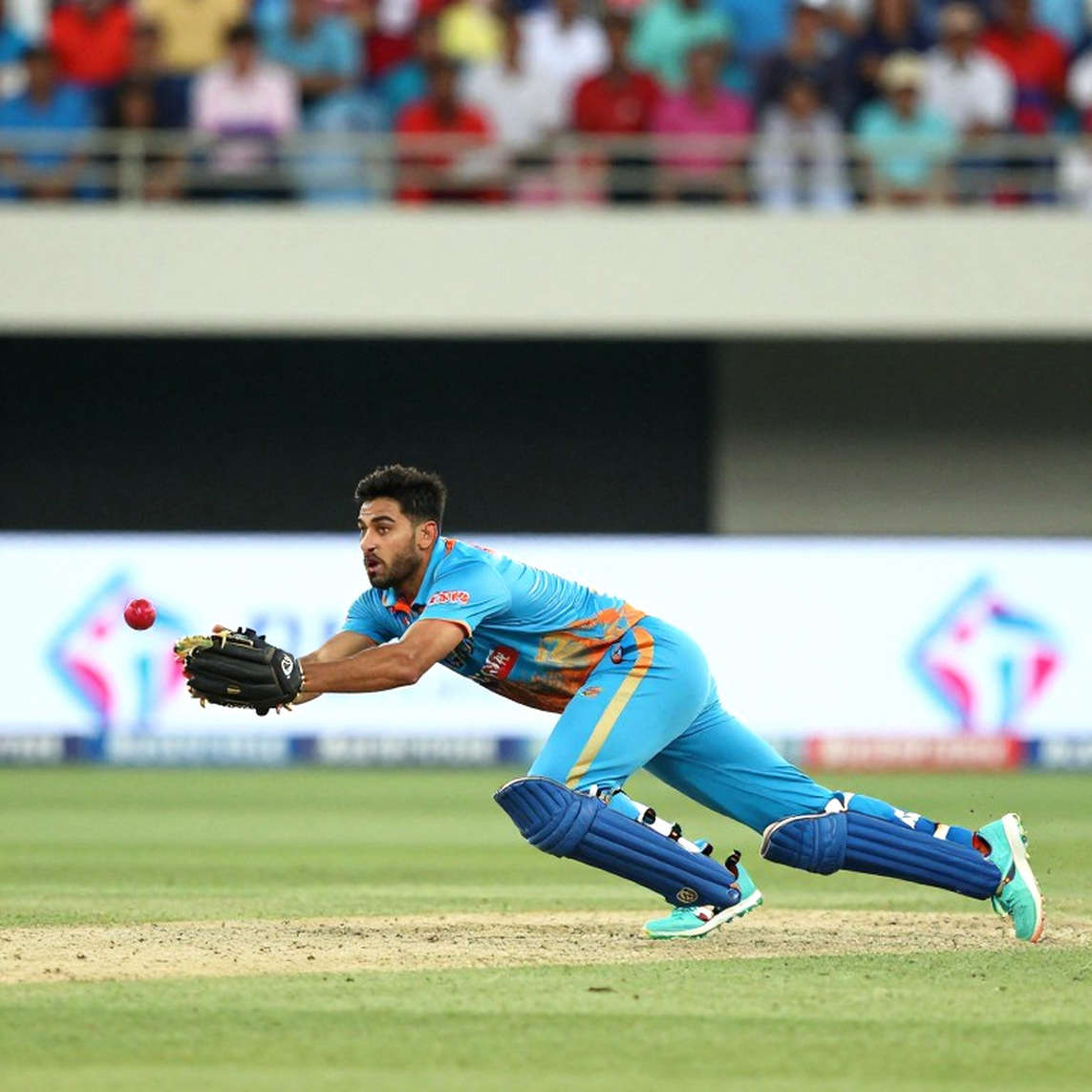
That logic has particular value in 50-over cricket. Limited net bowling cannot fully reproduce a six- to 10-over spell: the run-up, release position, body tilt, intensity and recovery between overs all matter. Domestic one-day cricket can expose Hardik to the workload India will eventually require from him.
The important distinction is between total bowling volume and the speed at which that volume is increased. Thirty overs in a week may be manageable for one athlete, while the same figure, compressed into two matches after a long layoff, may create a very different response. In Hardik’s case, that distinction could decide the return.
Public information points to a sequence involving back spasms, a leg strain at the Centre of Excellence and a shin injury that delayed his return. Back, leg and shin problems across roughly 12 to 18 months do not prove a single medical cause. They do, however, raise a serious question about load tolerance. Calling every setback bad luck would be as easy as declaring bowling volume the universal cure.
Klusener’s thesis and Hardik’s reality are therefore sequential rather than contradictory. Klusener says that bowling builds the body’s readiness. Hardik has struggled to accumulate that bowling volume because each return has been interrupted by injury. Less bowling reduces match readiness; a sudden workload increase raises injury risk; the injury then stops the bowling again.
Domestic cricket should consequently be more than a formal return-to-play step. India should track overs per match, spell length, intensity, recovery days and the combined load of batting and bowling. Six overs in one match followed by eight in another will not, by itself, establish readiness. The stronger signal will be sustained, controlled bowling across several matches.
This is also a 2027 planning issue. India needs two parallel plans: one in which Hardik gradually returns to a full all-rounder role, and another in which he is treated as a batting all-rounder while a separate sixth-bowling option is developed. The team cannot build a World Cup structure on assumption alone.
Nitish Reddy is the obvious comparison, but the evidence remains thin. Six ODIs, 82 runs and three wickets represent a beginning, not a settled solution. His absence from the Auckland XI also suggests that India are developing him rather than treating him as a ready replacement. Carrying a player in a squad and trusting him for eight to 10 middle-overs wickets are different stages of development.
Contrarian angle: Injury comparisons need format discipline
Mitchell Marsh’s back problems, Ben Stokes’ knee and hamstring recurrences, and Cameron Green’s lumbar stress fracture are useful warnings about the demands placed on pace-bowling all-rounders. They cannot, however, be transferred directly onto Hardik. Their formats, bowling styles, workloads, ages and injury histories differ. Using red-ball injury examples as decisive evidence in an ODI selection argument would blur important distinctions.
Klusener’s prescription also becomes dangerous when reduced to a slogan. Bowling volume can build resilience, but an excessively fast increase in volume can accelerate a breakdown. “Less gym, more bowling” cannot mean less medical monitoring. For Hardik, the rate of progression may matter more than the headline number of deliveries.
The Abu Dhabi T10 discussion should remain separate. A 60-ball innings designed around rapid impact and a 90-minute broadcast product has a different tactical logic from an ODI bowler’s 10-over responsibility. T10 participation is not evidence of ODI readiness. The Arabian Aces’ launch and the owners’ ambition to create a fearless, entertaining identity may indicate short-format expansion, but no rights, salary or valuation figures are available to support larger commercial claims.
Takeaway: The proof will be found in the overs
Gambhir’s public message lowers expectations while signalling a selection policy. Hardik’s reputation cannot automatically grant him 10 ODI overs. He must show in domestic cricket that his body can absorb repeated workloads, not merely produce one impressive outing.
For India, the next important number will be Hardik’s consecutive bowling spells, not his runs. Nitish Reddy faces the same test. Can he regularly deliver eight or more overs? Can India control the middle overs without five specialist bowlers?
The second screen taught me that every voice has a replay. This story’s replay will be complete when domestic scorecards show how many overs Hardik bowled, how quickly he recovered and how his body responded next time. India’s 2027 plan should be built on that evidence, rather than on an old reputation, an attractive doctrine or one promising practice session.